➡️ INTRODUCTION
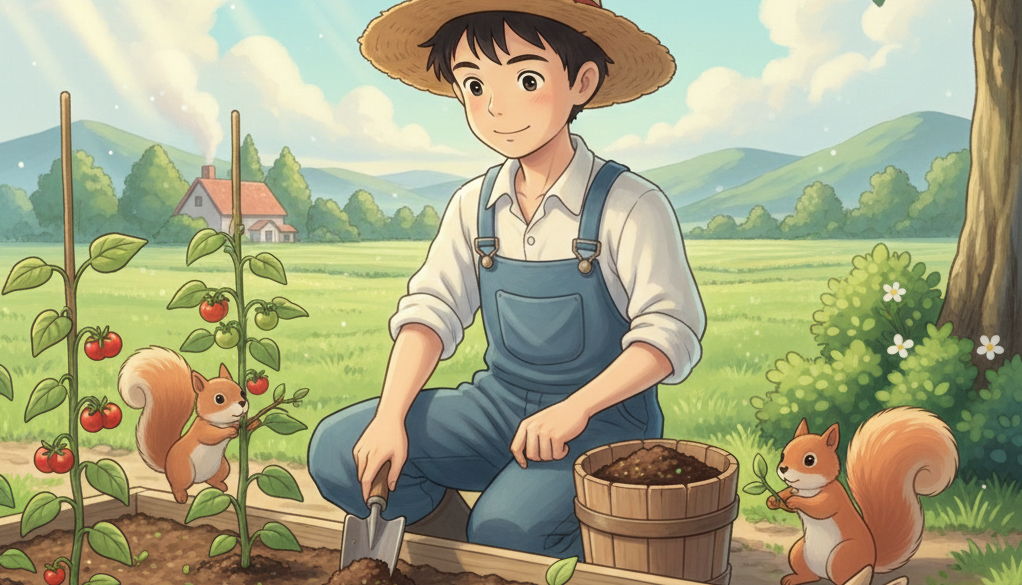
→ Composting is one of the simplest and most effective ways to improve soil health and increase crop productivity. By turning organic waste into nutrient-rich compost, farmers and gardeners can naturally enrich their soil without relying heavily on synthetic fertilizers. Healthy soil leads to stronger plant growth, better water retention, and improved resistance to pests and diseases. Composting also reduces waste, lowers input costs, and supports sustainable farming practices. Whether you manage a small garden or a large farm, learning proper composting techniques can significantly improve crop performance. With the right balance of materials and regular care, compost becomes a powerful tool for building fertile soil and achieving consistent harvests.
➡️ Key Points / Benefits
→ Improves soil structure and increases nutrient availability naturally.
→ Enhances water retention and reduces irrigation needs.
→ Encourages beneficial microorganisms that support plant health.
→ Reduces dependency on chemical fertilizers and lowers costs.
→ Promotes sustainable waste management and environmental protection.
🔵 1️⃣ → Understanding the Basics of Composting
Successful composting begins with understanding the balance between “green” and “brown” materials. Green materials provide nitrogen, while brown materials supply carbon. A proper balance ensures faster decomposition and high-quality compost.
Common green materials:
- Vegetable scraps
- Fresh grass clippings
- Coffee grounds
- Green leaves
Common brown materials:
- Dry leaves
- Straw
- Shredded paper
- Small twigs
A good starting ratio is roughly 2–3 parts brown materials to 1 part green materials. Chop larger items into smaller pieces to speed up breakdown. Avoid adding meat, oily foods, or diseased plants, as they can attract pests or spread problems. Understanding this balance forms the foundation for healthy compost production.
🔵 2️⃣ → Choosing the Right Composting Method
Different farms and gardens require different composting systems. Selecting the right method depends on available space, climate, and the volume of organic waste.
Popular composting methods:
- Heap composting: Simple piles turned regularly; suitable for farms.
- Bin composting: Organized containers ideal for small gardens.
- Vermicomposting: Uses worms to break down waste quickly.
- Trench composting: Burying organic matter directly into soil.
For larger farms, heap composting works well when turned every 1–2 weeks. In small spaces, compost bins help maintain cleanliness. Farmers should ensure proper drainage and airflow. The right method makes composting efficient and manageable.
🔵 3️⃣ → Managing Moisture, Air, and Temperature
Composting is a biological process that depends on proper moisture, oxygen, and heat. Without the right conditions, decomposition slows down.
Actionable tips:
- Keep compost as moist as a squeezed sponge.
- Turn the pile every 1–2 weeks to improve airflow.
- Cover the pile during heavy rain.
- Monitor temperature; active compost often becomes warm inside.
If compost smells bad, it may lack oxygen. Turning the pile can fix this issue. If decomposition is too slow, add more green materials. Avoid making the pile too wet, as it can create anaerobic conditions. Proper monitoring ensures faster compost maturity and better nutrient quality.
🔵 4️⃣ → Knowing When Compost Is Ready
Using compost at the right stage is important for crop health. Immature compost may compete with plants for nutrients, while fully matured compost enhances soil fertility.
Signs of ready compost:
- Dark brown or black color
- Earthy smell
- Crumbly texture
- Original materials no longer visible
Before application, allow compost to cure for a few weeks after active decomposition. Spread compost evenly across the field and mix it into the topsoil. Over-application is not necessary; moderate amounts provide strong results. Applying mature compost improves soil structure and nutrient balance effectively.
🔵 5️⃣ → Applying Compost for Maximum Crop Benefit
Proper application techniques help maximize compost benefits and improve yields.
Step-by-step guidance:
- Test soil to identify nutrient needs.
- Apply 2–5 tons per hectare depending on soil condition.
- Incorporate compost into soil before planting.
- Use compost as mulch around growing plants.
Do’s:
- Apply compost during land preparation.
- Combine compost with crop rotation practices.
- Store finished compost in a dry, covered area.
Don’ts:
- Apply raw or unfinished compost.
- Leave compost exposed to heavy rain.
- Ignore soil testing results.
Regular compost use builds long-term soil fertility. Over time, farmers notice stronger plant growth and improved harvest quality.
➡️ CONCLUSION
→ Composting is a practical and sustainable method for improving soil health and increasing crop productivity. By maintaining the right balance of materials, selecting suitable composting methods, and managing moisture and airflow, farmers can produce high-quality compost consistently. Applying mature compost at the right time strengthens soil structure, boosts nutrient availability, and supports healthy plant growth. With patience and regular monitoring, composting becomes a valuable farming practice that reduces costs and enhances yields. Adopting these simple yet effective composting tips can help farmers and gardeners worldwide build fertile soil and achieve long-term agricultural success.