➡️ INTRODUCTION
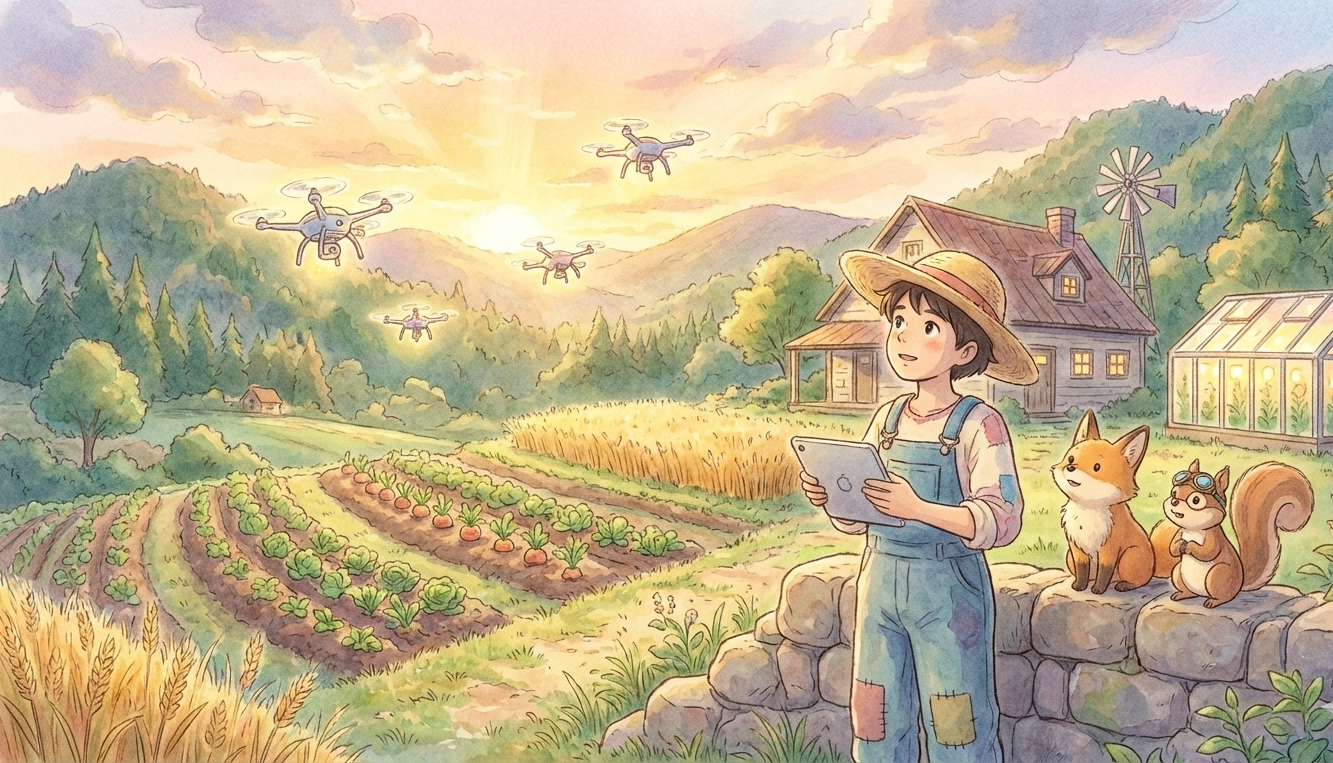
→ In 2026, drone technology is transforming modern agriculture by helping farmers make faster, smarter, and more accurate decisions. These small aerial devices are no longer experimental tools; they are practical solutions used for crop monitoring, spraying, mapping, and data collection. As farming faces challenges such as climate change, rising input costs, and labor shortages, drones offer efficient and cost-effective support. By providing real-time insights and precise field analysis, drones help farmers increase yields, reduce waste, and improve sustainability. Whether managing a small farm or a large agricultural enterprise, understanding how drones work and how to use them properly can significantly improve productivity and profitability.
➡️ Key Points / Benefits
→ Enables real-time crop monitoring and early problem detection.
→ Reduces labor costs and saves time in large fields.
→ Improves precision in spraying fertilizers and pesticides.
→ Enhances yield prediction and farm planning through data analysis.
→ Supports sustainable farming by minimizing chemical overuse.
→ Provides accurate field mapping for better decision-making.
🔵 1️⃣ → Crop Monitoring and Field Mapping
One of the most important ways drones are changing agriculture in 2026 is through advanced crop monitoring and mapping. Modern agricultural drones are equipped with high-resolution cameras and multispectral sensors that capture detailed images of crops.
How it works:
- Drones fly over fields following pre-programmed routes.
- They capture images and collect data on plant health, soil conditions, and water distribution.
- Software analyzes this data to generate field maps and health reports.
Practical benefits:
- Identifies stressed plants before visible damage occurs.
- Detects uneven irrigation or nutrient deficiencies.
- Helps farmers divide fields into management zones.
By using drones regularly, farmers can monitor large areas quickly and make informed decisions without physically inspecting every section of the field.
🔵 2️⃣ → Precision Spraying and Input Management
In 2026, drone-based spraying systems have become more accurate and efficient than traditional methods. Instead of applying chemicals evenly across entire fields, drones allow targeted application only where needed.
Step-by-step process:
- Analyze crop health data collected from previous drone flights.
- Identify areas affected by pests, weeds, or nutrient deficiencies.
- Program the drone to spray only specific zones.
- Monitor application rates to avoid overuse.
Benefits:
- Reduces chemical costs.
- Minimizes environmental impact.
- Protects beneficial insects and soil health.
Mistakes to avoid:
- Flying in strong winds, which can cause spray drift.
- Ignoring local regulations regarding drone spraying.
Precision spraying improves efficiency while promoting sustainable agriculture practices.
🔵 3️⃣ → Data-Driven Decision Making
Drones in 2026 are integrated with farm management software, enabling data-driven agriculture. Instead of relying only on experience, farmers can base decisions on measurable information.
Actionable tips:
- Combine drone data with weather forecasts and soil tests.
- Track crop growth stages using periodic drone surveys.
- Compare seasonal data to identify trends and performance patterns.
Advantages:
- More accurate yield predictions.
- Better planning of harvest timing.
- Improved budgeting for inputs and labor.
Farmers who regularly analyze drone-generated data can respond quickly to changing conditions, improving overall productivity and reducing risks.
🔵 4️⃣ → Labor Efficiency and Cost Savings
Labor shortages remain a challenge in many regions. Drones help reduce dependency on manual field inspections and heavy machinery.
Practical guidance:
- Use drones to inspect irrigation systems and drainage issues.
- Conduct aerial surveys after storms or extreme weather.
- Monitor remote or difficult-to-access areas safely.
Examples:
- Large farms can survey hundreds of hectares in a single day.
- Small farms can save time by quickly identifying problem areas instead of walking entire fields.
By reducing time spent on routine inspections and manual spraying, drones help farmers allocate labor more effectively and reduce operational costs.
🔵 5️⃣ → Sustainable and Climate-Smart Farming
As climate variability increases, drones support climate-smart agriculture by helping farmers adapt quickly. Early detection of drought stress, pest outbreaks, or flooding allows faster intervention.
Step-by-step recommendations:
- Schedule routine drone flights during key growth stages.
- Use vegetation indices to monitor plant health under heat stress.
- Adjust irrigation schedules based on real-time field conditions.
- Document changes for long-term climate adaptation planning.
Dos & Don’ts:
- Do maintain drones regularly to ensure accurate data.
- Do train operators properly to avoid technical errors.
- Don’t rely solely on drone data without field verification when necessary.
Drones help farmers reduce resource waste, lower emissions from heavy machinery, and improve environmental sustainability.
➡️ CONCLUSION
→ In 2026, drones are no longer optional tools but essential components of modern agriculture. From crop monitoring and precision spraying to data-driven decision-making and labor efficiency, drones offer practical solutions to today’s farming challenges. By adopting drone technology responsibly and integrating it with proper farm management practices, farmers can increase yields, reduce costs, and promote sustainability. As agriculture continues to evolve, drones provide a powerful way to improve productivity while protecting natural resources. Farmers who embrace this technology thoughtfully are better prepared for a more efficient and resilient agricultural future.