➡️ INTRODUCTION
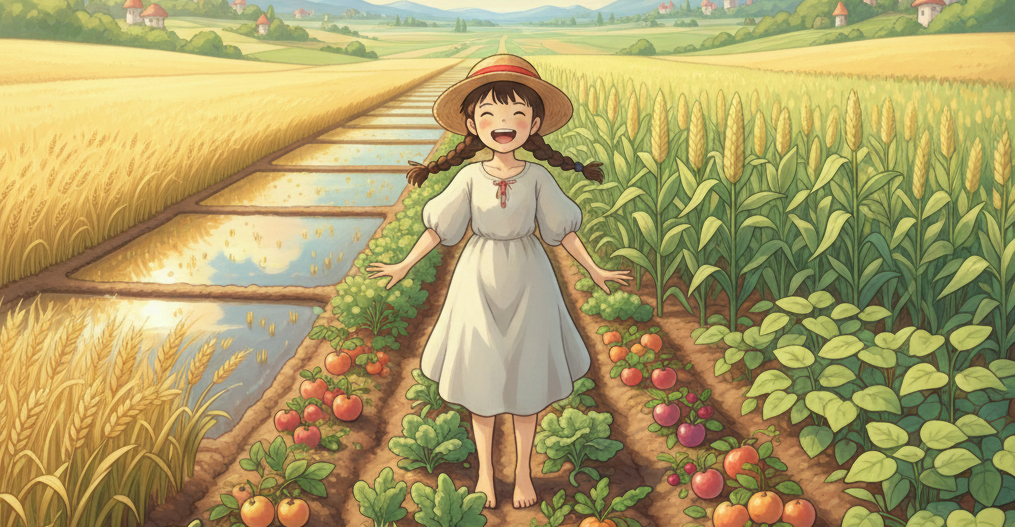
→ Growing crops successfully can be challenging when climate conditions vary widely from one region to another. However, some crops are naturally adaptable and can thrive in hot, cold, dry, or humid environments with proper care. Choosing climate-resilient crops helps farmers, gardeners, and beginners reduce risk, save resources, and enjoy stable harvests throughout the year. Whether you have a small backyard garden or a larger farming plot, selecting easy-to-grow crops increases productivity and lowers maintenance efforts. This guide explores seven crops that grow well in almost any climate and provides practical advice to help you cultivate them successfully and sustainably.
➡️ Key Points / Benefits
→ Reduces the risk of crop failure in unpredictable weather conditions.
→ Requires less maintenance and fewer inputs compared to sensitive crops.
→ Suitable for beginners as well as experienced growers.
→ Provides consistent yields for food security and small-scale income.
→ Adapts well to different soil types with basic preparation.
🔵 1️⃣ → Potatoes: A Hardy Underground Crop
Potatoes are one of the most adaptable crops in the world. They grow in cool highlands, temperate regions, and even mild tropical climates with proper timing. Because they grow underground, they are somewhat protected from extreme weather conditions.
How to grow successfully:
- Choose certified seed potatoes instead of store-bought ones.
- Plant in loose, well-drained soil rich in organic matter.
- Space them about 12 inches apart in rows.
- Cover sprouts with soil as they grow (a method called “hilling”).
Practical tips:
- Avoid waterlogged soil to prevent rot.
- Harvest when leaves turn yellow and dry.
- Rotate crops yearly to reduce pests and diseases.
Potatoes are reliable, nutritious, and productive, making them an excellent choice for diverse climates.
🔵 2️⃣ → Spinach: Fast-Growing and Flexible
Spinach grows quickly and adapts well to both cool and moderately warm climates. In cooler areas, it thrives in full sun, while in warmer regions, partial shade helps prevent early flowering (bolting).
Step-by-step guidance:
- Prepare fertile soil with compost.
- Sow seeds directly into the ground about half an inch deep.
- Keep soil consistently moist but not soggy.
- Harvest outer leaves first to encourage continuous growth.
Benefits:
- Ready to harvest within 30–45 days.
- Suitable for containers and small gardens.
- Can be grown multiple times per year.
Avoid high heat during peak summer, as this can cause bitterness. With proper watering and timing, spinach delivers steady yields in many climates.
🔵 3️⃣ → Beans: Adaptable and Soil-Improving
Beans are known for their ability to grow in various climates, from warm tropical zones to cooler temperate regions during the growing season. They are also beneficial because they improve soil fertility by fixing nitrogen.
Actionable tips:
- Plant after the last frost in cooler areas.
- Choose bush beans for small spaces or climbing beans for vertical growth.
- Provide support structures for pole varieties.
- Water at the base to prevent leaf diseases.
Mistakes to avoid:
- Overwatering, which can cause root problems.
- Planting too early in cold soil.
Beans are productive and require minimal fertilization, making them cost-effective and environmentally friendly.
🔵 4️⃣ → Carrots: Reliable Root Vegetables
Carrots grow well in many climates as long as the soil is loose and free from stones. They tolerate light frost and can also grow in mild warm conditions.
Practical guidance:
- Loosen soil at least 10–12 inches deep.
- Sow seeds thinly to avoid overcrowding.
- Thin seedlings once they sprout to allow proper root development.
- Keep soil consistently moist for straight, healthy roots.
Advantages:
- Can be stored for long periods after harvest.
- Suitable for both garden beds and deep containers.
- Require minimal care once established.
Avoid heavy clay soil, as it leads to short or misshapen carrots. With basic soil preparation, carrots are dependable and rewarding.
🔵 5️⃣ → Tomatoes: Widely Adaptable with Proper Care
Tomatoes are one of the most popular crops worldwide because they adapt to many climates. In cooler regions, they grow best during warm seasons, while in tropical climates, they can be grown during milder months.
Step-by-step instructions:
- Start seeds indoors in cooler climates for early growth.
- Transplant seedlings when soil temperatures are warm.
- Provide staking or cages for support.
- Water regularly but avoid wetting leaves.
Dos & Don’ts:
- Do add compost before planting.
- Do prune lower leaves to improve airflow.
- Don’t overwater, as this can cause cracking and disease.
Regular monitoring for pests and providing adequate sunlight (6–8 hours daily) ensures healthy, high-yield plants.
🔵 6️⃣ → Sweet Potatoes: Heat-Tolerant and Resilient
Sweet potatoes are extremely tolerant of heat and can grow in less fertile soils. They perform well in warm climates but can also adapt to moderate regions with a longer growing season.
Growing tips:
- Plant slips (young shoots) instead of seeds.
- Choose sunny locations with well-drained soil.
- Space plants widely to allow vines to spread.
- Reduce watering near harvest time to improve storage quality.
They require minimal fertilization and resist many pests. Sweet potatoes provide high yields and are rich in nutrients, making them a valuable addition to any farm or garden.
🔵 7️⃣ → Kale: Cold-Resistant and Nutrient-Rich
Kale is known for its ability to withstand cold temperatures and even light frost, which can enhance its flavor. It also grows in moderate climates year-round with proper watering.
How to grow effectively:
- Plant in well-drained, compost-rich soil.
- Provide consistent watering to prevent tough leaves.
- Harvest outer leaves regularly.
Monitoring advice:
- Watch for caterpillars and aphids.
- Use natural pest control methods like hand-picking or neem-based sprays.
Kale’s resilience and long harvest period make it ideal for growers seeking dependable leafy greens in various environments.
➡️ CONCLUSION
→ Choosing crops that grow easily in different climates helps ensure steady harvests, reduce risks, and improve food security. Potatoes, spinach, beans, carrots, tomatoes, sweet potatoes, and kale are all adaptable, practical options for farmers and home gardeners alike. By preparing soil properly, following seasonal guidelines, and monitoring watering and pests, growers can achieve reliable results with minimal stress. Starting with resilient crops builds confidence and experience, especially for beginners. With thoughtful planning and consistent care, these seven crops can provide nutritious food and sustainable yields in almost any climate around the world.