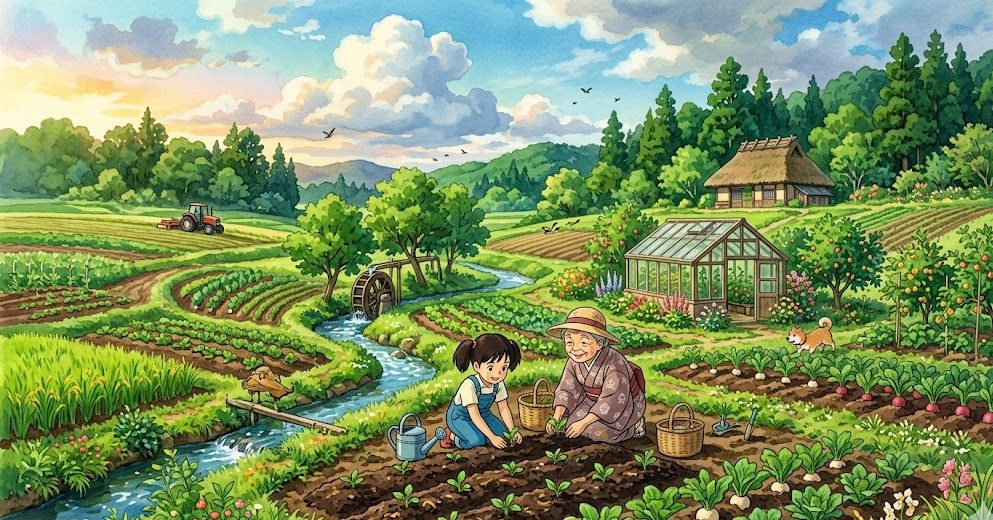
For generations, farming was a dance with predictable seasons. Farmers knew exactly when the first rains would fall, when the frost would thaw, and when to harvest. Today, that rhythm is broken. Climate change is no longer a distant threat for future generations—it is an active, unpredictable challenge happening in fields right now.
Rising global temperatures, erratic rainfall patterns, prolonged droughts, and intense flash floods are putting unprecedented pressure on agriculture. At the heart of this crisis is our most valuable asset: the soil. When soil health degrades, crop yields plummet, leaving farmers vulnerable.
To survive and thrive in this changing environment, we must transition to climate-resilient agriculture. Here is a practical, science-backed guide on how to protect your soil health and safeguard your crop yields from the impacts of climate change.
1. Build Soil Organic Matter (SOM) — The Ultimate Buffer
If you only do one thing to combat climate change on your farm, let it be this: increase your soil organic matter. Think of Soil Organic Matter (SOM) as a giant sponge.
During heavy downpours, a sponge absorbs excess water, preventing topsoil erosion and flooding. During a drought, that same sponge holds onto moisture, keeping crops alive when water is scarce.
How to increase SOM:
- Composting: Regularly apply high-quality compost to return vital nutrients and microorganisms to the earth.
- Retain Crop Residues: Instead of burning or removing stalks and leaves after harvest, leave them on the field to decompose naturally.
- Incorporate Biochar: Biochar (charcoal produced from plant matter) locks carbon into the soil for hundreds of years, drastically improving water retention and microbial habitats.
2. Transition to Conservation Tillage (No-Till Farming)
Traditional heavy plowing turning over the soil might make a field look clean, but it actually destroys the soil’s natural architecture. Tillage exposes buried organic matter to oxygen, causing it to break down and release carbon dioxide ($CO_2$) into the atmosphere. Furthermore, tilled soil dries out faster and easily washes away during heavy rains.
Switching to reduced tillage or no-till farming protects the soil crust. By leaving the soil undisturbed, you preserve the networks of earthworms and mycorrhizal fungi that naturally aerate the ground and help plant roots absorb water and nutrients.
3. Keep it Covered: The Power of Cover Crops and Mulching
Bare soil is defenseless soil. When extreme summer heat hits unprotected ground, soil temperatures can spike drastically, killing beneficial microbes and evaporating every drop of moisture.
Bare Soil + Extreme Heat = Dead Microbes & Moisture Loss
Covered Soil + Living Roots = Thriving Ecosystem & Climate Resilience
Cover Cropping
Planting off-season cover crops like clover, vetch, or rye ensures that living roots are always holding the soil together. Leguminous cover crops also naturally fix nitrogen from the air into the soil, reducing your dependence on expensive, petroleum-based chemical fertilizers.
Mulching
Applying a thick layer of organic mulch (like straw, wood chips, or cut grass) acts as a literal sunshield for your soil. It lowers soil temperatures, prevents weed growth, and cuts down irrigation needs by keeping the ground damp.
4. Diversify Crops and Adopt Climate-Resilient Varieties
Monoculture—growing the exact same crop over vast fields year after year—is highly risky in the era of climate change. If an unseasonal heatwave or a new climate-driven pest hits, your entire harvest could be wiped out overnight.
Strategies for Diversification:
- Crop Rotation: Rotate families of crops (e.g., following a heavy-feeding crop like corn with a soil-building crop like soybeans). This breaks pest cycles and balances nutrient uptake.
- Drought-Tolerant Varieties: Switch to crop varieties specifically bred or selected for climate resilience. Look for open-pollinated or hybrid seeds designed to withstand low-water conditions or high-salinity soils.
- Agroforestry: Integrate trees and shrubs into your farming landscape. Trees act as windbreaks to prevent wind erosion, provide shade to lower ambient temperatures, and pump nutrients from deep underground up to the surface.
5. Upgrade to Smart Water Management
Climate change usually means too much water all at once, or no water at all. Flood irrigation is no longer sustainable or effective. Modern farms need precision water management to protect yields.
| Water Technology | How it Fights Climate Change |
| Drip Irrigation | Delivers water directly to the plant root zone, reducing evaporation losses by up to 50% compared to overhead sprinklers. |
| Rainwater Harvesting | Digging ponds, swales, or installing storage tanks to catch heavy rainfall, creating a backup supply for dry spells. |
| Soil Moisture Sensors | Digital probes that tell you exactly how dry the soil is, ensuring you never over-irrigate or underwater. |
6. Foster a Living Soil Food Web
Healthy soil is not just dirt; it is a living, breathing ecosystem. A single teaspoon of healthy soil contains more living organisms than there are people on Earth. These microbes are your best allies against climate stress.
Chemical pesticides and excessive synthetic fertilizers act like a sterilizer, wiping out these beneficial microbes. When the microbes die, the soil loses its natural immunity, making crops more susceptible to diseases that thrive in warmer, humid climate conditions.
Shift toward regenerative inputs like liquid seaweed, compost teas, and mycorrhizal inoculants. These feed the soil biology, which in turn strengthens the plant’s immune system, helping crops survive the stress of extreme weather fluctuations.
Conclusion
We cannot control the weather, but we can completely control how our soil responds to it. Protecting your soil health is the single best insurance policy a farmer can have against climate change.
By keeping the soil covered, minimizing disturbance, diversifying crops, and feeding the underground ecosystem, you don’t just protect your farm—you future-proof it. Healthy soil leads to resilient crops, and resilient crops secure steady, profitable yields for years to come. The future of farming belongs to those who care for the earth beneath their feet.