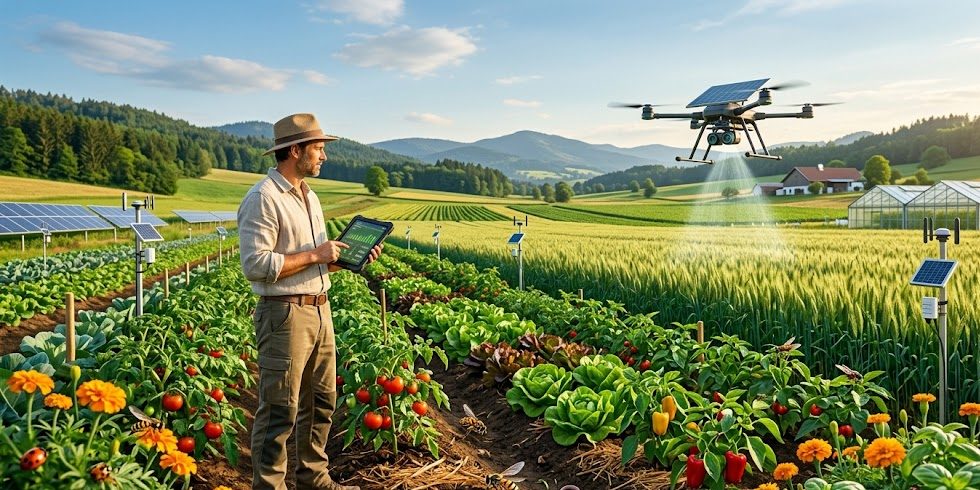
The global agricultural sector is facing an unprecedented challenge: feeding a growing population while navigating extreme weather patterns, rising input costs, and severe labor shortages. Fortunately, the industry is entering a highly transformative phase. Agriculture is moving away from traditional guesswork and adopting data-driven, automated precision.
Today, Smart Farming—driven by Agricultural Technology, or AgriTech—is no longer a futuristic concept reserved for tech exhibitions. It has officially transitioned into real-world fields, orchards, and greenhouses. From autonomous machinery to localized intelligence, modern tools are helping growers maximize their return on investment (ROI) while minimizing waste. This article explores the top AgriTech trends and innovations that are reshaping how food is grown, managed, and distributed worldwide.
AI Shifts from Predictive to “Decision-Grade” Action
Artificial intelligence has been running behind the scenes in agriculture for years, primarily powering macro weather forecasts and basic yield estimations. However, the latest trend centers on the shift toward Decision-Grade AI and agentic planning systems.
Instead of simply telling a grower that a risk is high, modern AI platforms analyze real-time variables to provide exact, context-specific recommendations. For example, rather than a generic alert stating that a pest outbreak is likely, an integrated AI system can advise a farmer: “There is an 80% probability of fungal outbreak in Block B; apply targeted biocontrols tomorrow at 4:00 PM when wind speeds are lowest.”
Furthermore, the rise of specialized Generative AI tools allows farmers and agronomists to interact with complex field data using natural language. A grower can simply ask an app on their phone for the optimal irrigation schedule based on the morning’s soil sensor readings, bridging the gap between raw data and instant, practical execution.
Field Robotics and Autonomous Machinery Gain Ground
Labor scarcity has become a definitive bottleneck for seasonal farming operations globally. To counter this, purpose-built robotics and autonomous machines are moving rapidly from limited pilot programs to mainstream deployment.
+-----------------------------------------------------------------+
|                    THE MODERN AUTONOMOUS STACK                  |
+-----------------------------------------------------------------+
|  [GPS & Telematics]  -->  [Computer Vision]  -->  [Targeted Actution] |
|   Guides driverless      Detects weeds, ripe       Pinpoint weeding,  |
|    tractors/rovers       fruit, or anomalies      spraying, or picking|
+-----------------------------------------------------------------+
Purpose-Built Agricultural Robots
Unlike early generic field robots, today’s machines are highly specialized. Startups and established manufacturers are rolling out autonomous weeding robots, fruit harvesters designed specifically for delicate orchards, and micro-rovers built for vineyards. These machines navigate crop rows using GPS and computer vision, working around the clock to manage labor-intensive tasks without human fatigue.
Driverless Tractors and Retrofit Kits
The adoption of autonomous machinery is also accelerating through retrofit automation kits. Instead of buying incredibly expensive new autonomous vehicles, farmers can install smart guidance systems and sensors onto their existing tractor fleets. These self-driving tractors optimize field routes with centimeter-level precision, significantly lowering fuel consumption and preventing soil compaction by following identical tracks every single season.
Drones and Multi-Sensor Remote Sensing
Drones have evolved from simple aerial cameras into powerful crop intelligence platforms. When combined with satellite imagery and machine learning, remote sensing technology provides complete visibility into farm operations.
- Multispectral Mapping: Drones equipped with multispectral cameras capture light wavelengths that are invisible to the human eye. This allows them to generate high-resolution crop health maps, revealing localized nitrogen deficiencies or early water stress days before the plant shows visible signs of wilting. Visionary Vogues
- Precision Spraying: Heavy-duty agricultural drones are increasingly used to apply liquid fertilizers, biopesticides, and crop protection treatments. By spot-spraying only the affected zones detected by aerial mapping, drone spraying can cut pesticide usage by up to 50% and slash manual crop monitoring costs drastically. Agri Conserve+ 1
The Rise of the “Climate-Resilience Stack”
Unpredictable rainfall, rising temperatures, and prolonged droughts mean that climate risk management is now a core priority for modern agribusiness. The industry is responding with a unified “climate-resilience stack” that blends physical infrastructure with digital tracking.
Smart Integrated Irrigation
Water scarcity is a major threat to global farming sustainability. Modern smart irrigation systems pair IoT soil moisture sensors directly with high-throughput precision pumps. These systems monitor soil water tension in real time, delivering water via drip networks directly to the root zones only when necessary. This level of automated control keeps plants thriving while drastically reducing water waste.
Soil Health Micro-Analytics
Healthy soil is a farm’s best natural defense against climate volatility. Advanced AgriTech platforms now feature real-time monitoring of primary soil nutrients—Nitrogen (N), Phosphorus (K), and Potassium (K)—alongside soil temperature and pH levels. This granular data ensures that fertilizer applications are perfectly calibrated, preventing chemical runoff and preserving the natural underground microbiome over the long term.
Blockchain and Immutable Supply Chain Traceability
The modern consumer wants to know exactly where their food comes from, how it was grown, and whether it meets strict sustainability and safety standards. At the same time, international regulations are tightening, demanding auditable compliance regarding deforestation and carbon footprints.
Agri Conserve
+-----------+       +------------+       +------------+       +------------+
| Farm Gate | ----> | Processing | ----> | Logistics  | ----> | Retailer   |
| Geotagged |       | Batch No.  |       | Temp Track |       | QR Scan    |
+-----------+       +------------+       +------------+       +------------+
Blockchain and distributed ledger technologies are stepping in to create an unchangeable, transparent record from farm to fork. When a crop is harvested, it is assigned a digital identity linked to its exact geographic coordinates (geotagging). Every step of the journey—processing, temperature-controlled logistics, and delivery—is recorded on the ledger. This level of transparency prevents counterfeiting, simplifies compliance auditing, and builds immense consumer trust.
Equipment-as-a-Service (EaaS) Lowers Adoption Barriers
Historically, the biggest obstacle to smart farming adoption has been the high upfront capital required to purchase advanced hardware and software. Small and mid-sized farming operations often found themselves priced out of the technological revolution.
To democratize access, the AgriTech industry is embracing innovative financing models like Equipment-as-a-Service (EaaS) and outcome-based agreements. Instead of buying a fleet of weeding robots or a network of advanced sensors outright, farmers can lease the technology or pay a subscription fee based on the acreage serviced. This model lowers the financial entry barrier, allowing smaller growers to leverage cutting-edge automation and precision tools without taking on heavy debt.
Conclusion: The Era of Connected Intelligence
Smart farming in the modern era is no longer about managing individual, isolated pieces of technology like a single drone or a standalone soil sensor. The real trend is connected intelligence—the seamless integration of IoT sensors, autonomous machinery, AI-led analytics, and digital platforms into one unified ecosystem.
As these innovations continue to mature and become more financially accessible, they are proving that sustainability and high productivity can go hand-in-hand. By adopting these AgriTech trends, modern farmers can de-risk their operations against climate change, protect their profit margins against rising input costs, and build a highly resilient food production system for generations to come.