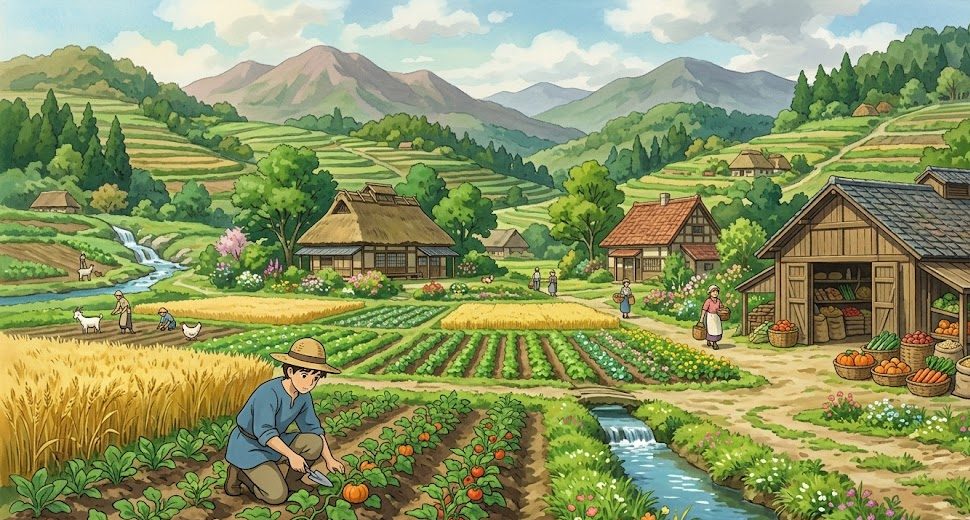
Agriculture in 2026 is no longer just about planting seeds and hoping for rain; it is a sophisticated balance of environmental science, “Smart Farming,” and strategic timing. To achieve “Financial Freedom” in the modern market, a grower must focus on two metrics: maximum yield and premium quality. Whether you are managing “High-Value Cash Crops” or a diversified vegetable plot, this master guide provides the ultimate blueprint for seasonal success.
1. The Foundation: Strategic Seed Selection
Every high-yield harvest begins long before the first seed hits the soil. “Practical Farming” starts with genetics.
- Climate-Adaptive Varieties: Choose seeds specifically bred for your region’s 2026 climate patterns, focusing on heat tolerance or flood resistance.
- Purity and Germination: Always source seeds from trusted innovation hubs to ensure high germination rates and zero contamination from weeds.
- Heritage vs. Hybrid: While hybrids often offer “High-Yield” results, heritage varieties can sometimes fetch higher prices in “Exotic Vegetable” niche markets.
2. Soil Preparation: Healing the Engine
Your soil is the biological engine of your farm. “Healing the soil naturally” is a mechanical necessity to ensure long-term productivity.
- The No-Till Advantage: Avoid heavy plowing, which destroys the delicate fungal networks (mycorrhizae) responsible for nutrient transport.
- Organic Bio-Inputs: Utilize fermented organic matter to “recharge” the soil’s microbial life. This is a key secret to achieving “Zero Chemical Costs”.
- pH Balancing: Regularly monitor soil health using “Smart Farming” sensors to ensure the pH levels are optimized for your specific crop category.
3. Season-Specific Management Strategies
To maximize quality, your management style must adapt to the shifting seasons.
The Rainy Season (Monsoon Mastery)
- Drainage Innovation: Ensure your fields have proper “Smart” drainage systems to prevent waterlogging, which leads to root rot.
- Fungal Protection: Use natural botanical sprays like neem oil to protect “Smart Crops” from the high humidity and fungal pressures typical of the rainy season.
The Summer Season (Beating the Heat)
- Water-Saving Techniques: Implement precision drip irrigation and heavy mulching. Mulching acts as a protective blanket, reducing evaporation and keeping root zones cool.
- Shade Management: For delicate “Exotic Vegetables,” use temporary shade nets to prevent sunscald and maintain leaf quality.
4. Precision Nutrition and Integrated Systems
High-quality crops require precise nutrition, not just “more” fertilizer.
- The Closed-Loop System: Integrate livestock like poultry or goats. Their waste provides the raw materials for your bio-inputs, while crop residues provide their feed.
- Foliar Feeding: Use fermented liquid fertilizers as a foliar spray for immediate nutrient absorption during critical growth stages.
- Biodiversity: Practice intercropping. Planting legumes alongside your “High-Value Cash Crops” naturally fixes nitrogen in the soil, reducing the need for external inputs.
5. Smart Pest and Weed Control
In 2026, “Practical Farming” means managing pests without toxic chemicals.
- Natural Pest Management (NPM): Build a “Farming Innovation Hub” on your land—such as bird perches or small ponds—to invite natural predators like birds and frogs.
- Cover Cropping: Use cover crops to smother weeds naturally. This “low-maintenance” technique improves soil structure while keeping your fields clean.
6. Harvesting for Quality
Yield is about quantity, but quality is determined at the moment of harvest.
- Optimal Timing: Use “Smart Farming” data to identify the exact window of peak ripeness. This ensures maximum sugar content and shelf life.
- Post-Harvest Handling: Minimize bruising and heat stress immediately after picking. For high-value markets, proper cooling and “digital” tracking are essential for transparency.
Conclusion: Your Path to a Digital Goldmine
Mastering your crops is the most direct path to “Financial Freedom.” By combining “Smart Farming” innovations with “Natural Farming” principles, you can grow more with less effort and zero chemical costs. Whether you are a small-scale practitioner of “Micro Farming” or a large-scale producer, these practical tips ensure that every season is a successful one.