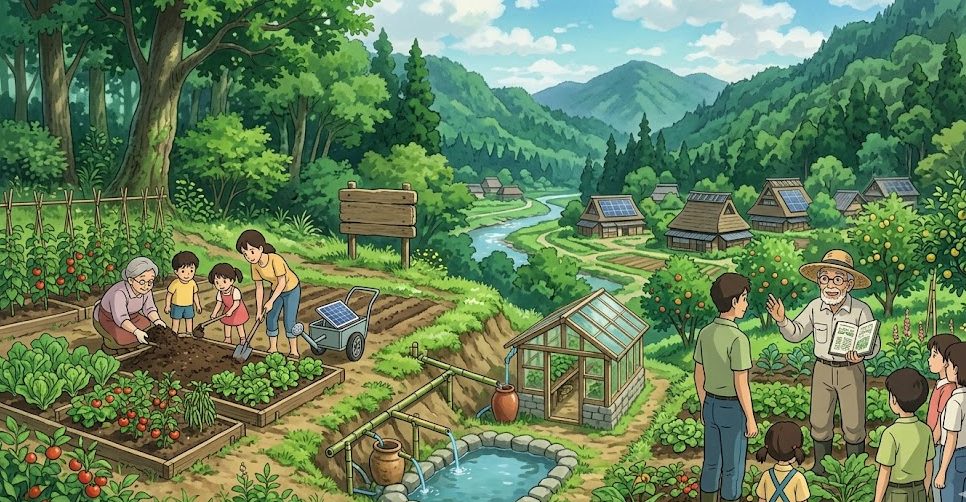
The global agricultural sector is facing an unprecedented challenge: the increasing volatility of our climate. As weather patterns become more erratic—ranging from prolonged droughts to flash floods—traditional farming methods are no longer enough to guarantee stability. Climate-resilient farming has emerged as the essential bridge between survival and prosperity for modern farmers.
By combining cutting-edge innovation, rigorous soil care, and expert-backed crop strategies, farmers can now transform climate vulnerability into agricultural resilience. This guide explores the pillars of a future-proof farming business.
1. Defining Climate-Resilient Agriculture
Climate-resilient agriculture (CRA) is a holistic approach that ensures food security by increasing the adaptability of the farming ecosystem. It isn’t just about “surviving” bad weather; it’s about creating systems that thrive despite it.
The three core components are:
- Adaptation: Modifying practices to handle climate shocks.
- Mitigation: Reducing the carbon footprint of the farm.
- Productivity: Ensuring that resilience does not come at the cost of yield.
2. Soil Care: The Foundation of Resilience
Soil is the ultimate insurance policy against climate change. Healthy soil acts like a sponge, holding water during droughts and absorbing excess moisture during floods.
Techniques for Soil Regeneration:
- Conservation Tillage (No-Till): By minimizing soil disturbance, you maintain the structural integrity of the earth. This helps in sequestering carbon and preserving the “soil architecture” that allows roots to penetrate deeper, accessing moisture trapped in lower soil layers.
- Cover Cropping: Leaving fields bare is a recipe for erosion. Using cover crops like clover, vetch, or cereal rye protects the topsoil from heat, suppresses weeds, and adds organic matter when decomposed.
- Composting and Biochar: Adding organic amendments improves the soil’s Cation Exchange Capacity (CEC), allowing it to hold onto nutrients more effectively, even under stress.
3. Innovation: The Tech-Driven Shield
Technology is the “force multiplier” in climate-resilient farming. When nature becomes unpredictable, data provides the clarity needed to make decisions.
AI and IoT Integration
- Weather Intelligence: Localized IoT weather stations provide real-time data on micro-climates. Instead of relying on regional forecasts, you can predict frost or heat waves specific to your plot.
- Smart Irrigation: Climate-resilient systems utilize Subsurface Drip Irrigation (SDI). By delivering water directly to the roots, you eliminate evaporation loss, which is critical when water tables are dropping due to prolonged droughts.
- Drone-Based Monitoring: Drones equipped with multispectral cameras can detect plant stress (such as early-stage wilting or nutrient deficiency) days before it becomes visible to the human eye.
4. Expert Crop Guides: Choosing the Right Varieties
A resilient farm starts with the right genetics. Expert farmers are moving away from monocropping vulnerable varieties and moving toward diverse, stress-tolerant crops.
Strategies for Crop Selection:
- Drought-Tolerant Cultivars: Modern breeding has introduced varieties of wheat, corn, and rice that require less water and can withstand prolonged heat stress without sacrificing grain fill.
- Short-Cycle Varieties: Selecting crops with shorter maturity windows allows you to harvest before the onset of extreme seasonal weather, such as late-summer storms.
- Agroforestry (The Layered Approach): Integrating trees into your crop systems (Agroforestry) provides windbreaks and shade. This reduces the “evapotranspiration” rate of the crops underneath, effectively lowering the ambient temperature of your field.
5. Risk Management and Diversification
Resilience is synonymous with diversity. A farm relying on a single crop is a farm waiting for a disaster.
- Crop Rotation: Rotating between deep-rooted and shallow-rooted crops ensures that soil nutrients are balanced and that pests don’t get a permanent foothold in the field.
- Integrated Farming Systems (IFS): Integrating livestock, poultry, or even aquaculture (where applicable) provides a buffer. If a weather event destroys a cash crop, the secondary income source ensures financial liquidity.
The Economic Reality: Why Climate-Resilience Pays
There is a common misconception that resilient farming is a “charitable” effort. In reality, it is a high-profit strategy.
- Reduced Input Costs: By improving soil health, you rely less on expensive synthetic fertilizers.
- Lower Insurance Premiums: Many agricultural insurance providers now offer discounted premiums for farmers who implement certified climate-resilient practices.
- Access to Premium Markets: Sustainability-conscious consumers and high-end retailers are paying a premium for produce grown using carbon-sequestering and eco-friendly methods.
Frequently Asked Questions (FAQs)
Q: Is it expensive to switch to climate-resilient farming?
A: It can be. However, many governments offer subsidies for soil conservation and smart irrigation. View these as capital investments rather than expenses; the return on investment (ROI) comes through increased yield stability and reduced input costs.
Q: Can climate-resilient methods be applied to small-scale farms?
A: Absolutely. Small-scale farmers have the advantage of being able to manage their soil and crops with more detail. Techniques like mulching, composting, and drip irrigation are highly effective at a small scale.
Q: How does soil health fight climate change?
A: Healthy, carbon-rich soil acts as a “carbon sink,” pulling $CO_2$ from the atmosphere and storing it underground. This helps mitigate the very climate issues that cause erratic weather.
Conclusion
Climate-resilient farming is not a futuristic concept; it is the current standard for success in the agricultural sector. By prioritizing soil health, leveraging precision technology, and choosing the right crop varieties, farmers can safeguard their land against the uncertainties of tomorrow.
The transition requires patience and learning, but the outcome—a more productive, profitable, and sustainable farming business—is the ultimate reward. As we look ahead, those who adapt today will be the leaders of the agricultural economy tomorrow.
Disclaimer: This information is for educational purposes. Agricultural practices should be tailored to your specific geography, soil type, and local climate regulations. Always perform a soil test before making major adjustments.