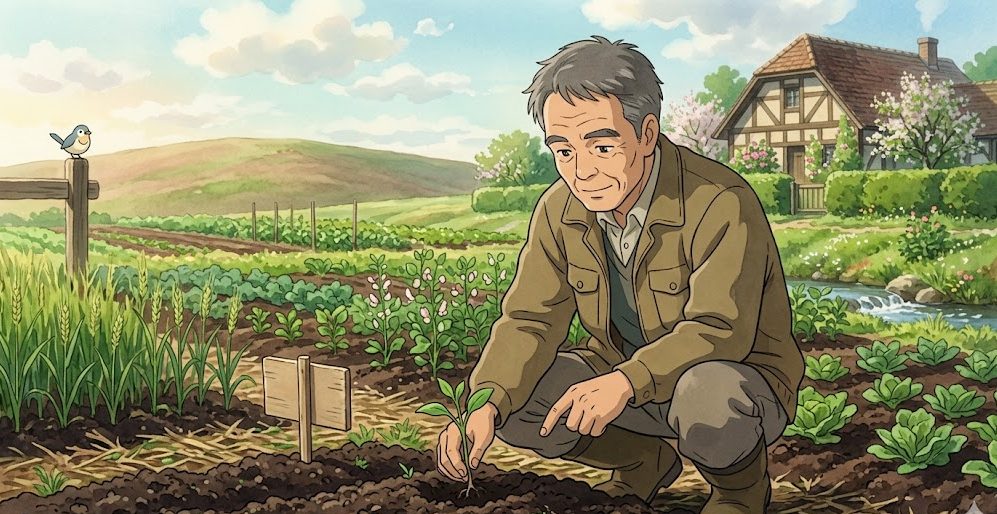
In the face of shifting weather patterns and unpredictable environmental challenges, the backbone of global food security—our soil—is under pressure. Sustainable agriculture is no longer just a trend; it is a vital necessity. To ensure long-term viability, farmers must shift their focus toward building climate-resilient systems that can withstand extreme heat, heavy rainfall, and prolonged droughts.
This guide explores professional, expert-backed strategies to cultivate healthier soil and more resilient crops, ensuring your farm remains productive for generations to come.
1. The Foundation: Building Resilient Soil Health
The most climate-resilient farms are those with the highest soil organic matter (SOM). Think of soil as a sponge; the higher your organic matter content, the more water your soil can retain during dry spells and the better it can drain during flash floods.
The Power of Cover Cropping
Leaving soil bare is the fastest way to lose productivity. Utilizing cover crops—such as clover, rye, or vetch—during off-seasons protects the soil surface from erosion and heat.
- Nutrient Cycling: Leguminous cover crops fix nitrogen naturally, reducing your reliance on synthetic fertilizers.
- Thermal Protection: A layer of green cover acts as an insulator, keeping soil temperatures lower during intense summer heat, which preserves essential soil microbes.
Minimal Tillage Practices
Deep, aggressive tilling disrupts the natural soil structure and releases stored carbon into the atmosphere. Transitioning to No-Till or Strip-Till farming preserves the fungal networks (mycorrhizae) that help plants access deep-soil nutrients and moisture.
2. Advanced Irrigation Strategies
Water scarcity is perhaps the greatest challenge in modern agriculture. Moving away from flood irrigation toward precision methods is essential.
Smart Drip Irrigation
Drip systems deliver water directly to the root zone, minimizing evaporation losses. When paired with soil moisture sensors, you can automate your irrigation to trigger only when the plant actually needs it. This prevents the shallow root growth often seen in over-watered fields, encouraging plants to grow deeper, stronger root systems that are better at finding moisture in deeper soil layers.
Rainwater Harvesting and Farm Ponds
Don’t rely solely on groundwater. Constructing farm ponds allows you to capture runoff during heavy rain events. This stored water becomes your safety net during dry months, stabilizing your production cycle against regional water shortages.
3. Crop Selection and Genetic Resilience
Efficiency begins with selecting the right plant for the right environment. Climate resilience starts at the seed level.
- Drought-Tolerant Varieties: Work with local agricultural extensions to identify seed varieties specifically bred for heat and drought tolerance. These varieties often have deeper root structures or thicker leaf cuticles that reduce transpiration rates.
- Crop Diversification: Monoculture (planting only one crop) is a massive risk. If a specific pest or weather event hits, your entire season is lost. Intercropping and rotating diverse species disrupt pest life cycles and spread the risk across different harvest times.
4. Integrated Pest Management (IPM) in a Changing Climate
Climate change often leads to the migration of new pests into previously unaffected areas. A sustainable farm does not rely on “blanket” chemical spraying, which kills beneficial predators alongside pests.
- Biological Control: Encourage natural predators like ladybugs, parasitic wasps, and predatory mites by planting “pollinator strips” around your field edges.
- Monitoring over Reaction: Use pheromone traps and regular scouting to identify pest pressure. Only intervene when populations hit a specific economic threshold. This preserves the natural balance of your field’s ecosystem.
5. The Role of Agroforestry
Integrating trees into your farming landscape is a high-level strategy for long-term resilience.
- Windbreaks: Rows of trees or shrubs along the perimeter of your fields reduce wind speeds, which prevents wind-driven soil erosion and protects delicate crops from dehydration.
- Micro-Climate Creation: The shade provided by trees creates a slightly cooler micro-climate, reducing heat stress on livestock and shade-tolerant vegetable crops.
6. Data-Driven Sustainability
You cannot manage what you do not measure. To build a climate-resilient farm, you must transition to precision farming tools:
- Field Mapping: Use satellite or drone imagery to identify areas in your fields that retain water and areas that dry out quickly. Tailor your planting density accordingly.
- Soil Testing Records: Maintain a multi-year database of your soil’s nutrient profiles. This helps you identify trends—such as the depletion of specific micronutrients—allowing you to correct them before they impact yields.
Conclusion: A Legacy of Stewardship
Sustainable agriculture is about stewardship. By prioritizing soil health, implementing precision water management, and diversifying your crops, you transform your land from a fragile operation into a robust, climate-resilient ecosystem.
Investing in these practices may require an initial effort and a shift in mindset, but the rewards—a stable, predictable, and highly productive farm—are well worth the investment. Remember, your soil is your most valuable asset. Treat it with care, and it will sustain your livelihood for years to come.
Would you like me to create a specific guide on how to calculate the ROI of shifting to No-Till farming for your specific region?