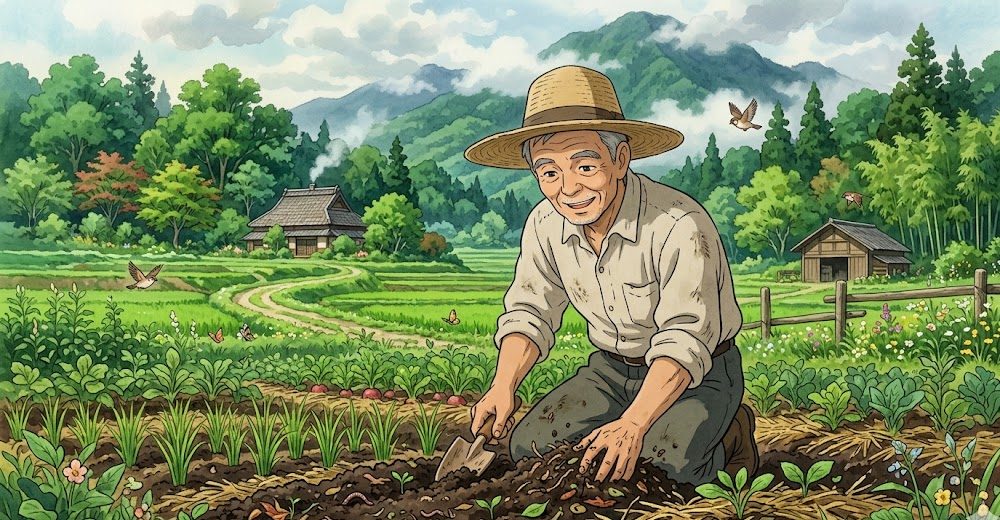
For every farmer, the journey to a bumper crop begins beneath their feet. Soil is not merely a growing medium; it is a complex, living ecosystem that serves as the foundation for agricultural success. When you shift your focus from chemical-heavy interventions to nature-centered soil management, you don’t just grow plants—you build a resilient farm that thrives season after season.
In this guide, we explore the essential strategies to revitalize your land, improve soil structure, and maximize your yields through sustainable, nature-focused practices.
1. Understanding Soil as a Biological Investment
Traditional farming often treats soil as a static resource, but high-yield agriculture recognizes it as a biological bank. Healthy soil teems with millions of microorganisms—bacteria, fungi, and earthworms—that break down organic matter and unlock nutrients for plant roots.
The Golden Rule: If you feed the soil, the soil will feed your crops. By prioritizing the “soil microbiome,” you reduce the need for expensive synthetic fertilizers and create plants that are naturally more resistant to disease.
2. Minimal Disturbance: The Power of No-Till Farming
Excessive tilling is one of the fastest ways to degrade soil quality. When you plow, you disrupt the fungal networks and accelerate the decomposition of organic matter, leading to carbon loss and soil compaction.
- Conservation Tillage: By minimizing soil disturbance, you protect the structure of the earth.
- Benefits: This keeps moisture in the ground, prevents erosion from wind and water, and maintains the integrity of the soil’s natural “micro-tunnels” created by earthworms and root systems.
3. Boosting Soil Organic Matter (SOM)
Organic matter is the heart of fertile soil. It acts like a sponge, holding water during droughts and allowing excess water to drain during heavy rains.
- Cover Cropping: Never leave your soil bare. Planting cover crops (like clover, vetch, or rye) during the off-season protects the ground from sun exposure and adds vital biomass when turned back into the soil as “green manure.”
- Composting and Mulching: Incorporating well-rotted compost introduces diverse nutrients back into the soil. Surface mulching with straw or crop residues keeps the soil cool and encourages a thriving population of beneficial insects.
4. Diversified Crop Rotation
Monoculture—the practice of growing the same crop in the same field repeatedly—is a recipe for nutrient depletion. Different plants have different nutrient requirements and root depths.
- The Rotation Strategy: Follow “heavy feeders” (like corn or leafy greens) with “nitrogen fixers” (like beans, peas, or lentils).
- Why it works: This natural sequence replenishes the soil’s nitrogen naturally and prevents specific pests and pathogens from establishing a permanent home in your fields.
5. Integrating Natural Soil Amendments
Nature rarely relies on a single source of nutrition. Instead of relying solely on high-dose NPK (Nitrogen, Phosphorus, Potassium) fertilizers, look into farm-made bio-inputs that encourage biological activity.
- Jeevamrit & Microbial Inoculants: Many successful natural farmers use fermented mixtures (often involving cow dung and urine) to kickstart microbial life.
- Moisture Retention: Consider using eco-friendly, biodegradable polymers if you struggle with water retention. These act as root-zone reservoirs, releasing hydration precisely when the plant needs it most.
6. Regular Monitoring and Soil Testing
You cannot manage what you do not measure. Regular soil analysis is the difference between guessing and precision farming.
- pH Balancing: Test your soil pH levels twice a year. Most crops thrive in slightly acidic to neutral soil. If your pH is off, nutrient uptake is blocked, no matter how much fertilizer you apply.
- Observation: Spend time in your fields. Watch for earthworm activity and check the texture of your soil after a light rain. Healthy soil should feel crumbly and smell earthy, not sour or metallic.
7. The Long-Term Yield Benefit
Transitioning to nature-focused soil management requires patience. While the results of chemical fertilizers can be immediate, they are often unsustainable and can lead to long-term soil salinization.
Nature-focused farming provides:
- Resilience: Crops are better equipped to handle weather extremes, such as prolonged droughts or heavy floods.
- Cost Efficiency: Over time, your reliance on external chemical inputs drops, significantly increasing your net profit margins.
- Sustainability: You are preserving the land for future generations while maintaining high-quality produce that markets often value at a premium.
Conclusion: Cultivating a Legacy
Mastering soil management is about working with nature rather than trying to conquer it. By focusing on minimal tillage, organic matter, and crop diversity, you turn your farm into a self-sustaining system. Remember, the most successful farmers are not just those who grow the most in one season, but those who ensure their soil is more fertile at the end of the season than it was at the start.