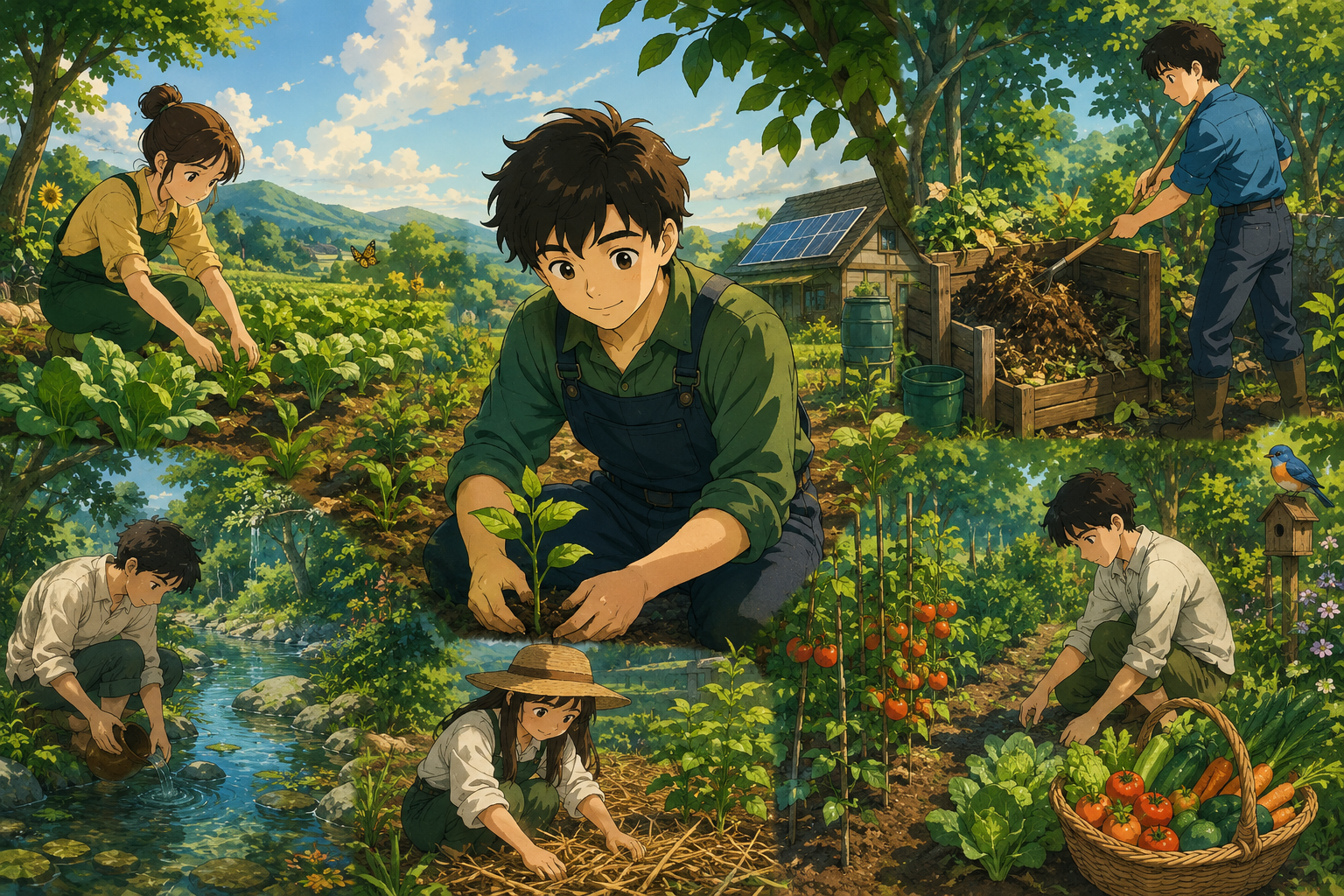
For a long time, modern agriculture focused on one primary goal: growing as much food as possible, as fast as possible. To achieve this, farms relied heavily on chemical fertilizers, massive amounts of water, and aggressive land clearing. But today, we are seeing the hidden costs of those shortcuts. Soil is losing its nutrients, water tables are dropping, and unpredictable weather is making traditional farming harder than ever.
The smartest way forward is not to fight nature with more chemicals, but to work alongside it. Nature-focused farming is about building resilient agricultural systems that can produce high yields without destroying the environment. Whether you are growing food on a few acres of land or experimenting with modern setups in an urban space, sustainable practices protect both your harvest and the planet. Let us look at practical, proven ways to grow crops sustainably.
What Makes Farming “Nature-Focused”?
At its core, nature-focused farming means imitating natural ecosystems. In a wild forest or meadow, nobody applies synthetic fertilizer or sprays pesticides. The soil feeds the plants, beneficial insects keep pests in check, and deep roots prevent the earth from washing away.
Sustainable farming applies these exact same principles to commercial and domestic agriculture. It prioritizes long-term soil health, smart water management, and biodiversity. By treating the farm as a living, breathing ecosystem, crops become naturally stronger and more resilient to diseases and droughts.
Practical Tips for Sustainable Growth
Transitioning to sustainable agriculture does not mean you have to change everything overnight. By adopting a few smart strategies, you can drastically reduce your environmental impact while maintaining healthy crop yields.
1. Focus on Deep Soil Management Healthy soil is the foundation of any successful farm. Instead of relying on chemical nitrogen, feed your soil with natural organic matter. Using compost, aged animal manure, and green mulch helps build a thick, nutrient-rich topsoil layer. Good soil acts like a sponge, holding onto water longer and giving plant roots a strong, stable environment to grow.
2. Maximize Water Efficiency Freshwater is a precious resource. Flooding fields is an outdated and wasteful method. Instead, switch to drip irrigation systems that deliver water directly to the base of the plant, right where the roots need it. This reduces water evaporation and prevents the growth of weeds in the empty spaces between your crop rows.
3. Explore Vertical and Hydroponic Systems Sustainable farming is not limited to traditional soil-based fields. Modern agricultural technology offers incredible ways to save space and resources. Vertical farming and hydroponics allow you to grow crops in stacked layers using nutrient-rich water instead of soil. These smart farming methods use up to 90% less water than traditional field farming and can be set up anywhere, making them a highly resilient option for the future.
4. Plant Cover Crops Never leave your soil bare between growing seasons. Bare soil easily washes away in heavy rain and dries out in the harsh sun. Planting cover crops—like clover, rye, or vetch—protects the topsoil. Even better, many cover crops naturally pull nitrogen from the air and push it down into the soil, acting as a free, natural fertilizer for your next main crop.
A Real-Life Example: The Hybrid Farm Approach
Consider the story of a medium-sized vegetable farm that struggled with recurring droughts and poor soil quality. The farmer noticed that his traditional lettuce and leafy green crops were failing because the sun was baking the exhausted soil, and water was becoming too expensive.
Instead of quitting, he adopted a hybrid sustainable approach. He dedicated half of his land to regenerating the soil using thick compost and cover crops, planning to grow deep-rooted vegetables there in the future. For his delicate, water-heavy leafy greens, he constructed a simple vertical hydroponic greenhouse on a small, unused concrete section of his property.
The results were remarkable. The hydroponic setup allowed him to produce clean, fast-growing greens year-round using a fraction of the water. Meanwhile, the outdoor soil was given the time and organic matter it needed to heal. By blending traditional soil management with smart agri-tech, he created a resilient, highly productive farm that uses fewer resources.
Step-by-Step Guide: Setting Up a Basic Composting System
If you want to improve your soil management, starting a compost pile is the easiest and most effective first step. Composting turns farm and household waste into “black gold”—a rich, natural fertilizer.
Step 1: Choose the Right Location. Pick a dry, shady spot on flat ground. If you are farming on a larger scale, ensure the spot is easily accessible by a tractor or wheelbarrow.
Step 2: Build the Base. Start with a layer of rough materials like small twigs or straw at the bottom. This allows air to flow underneath the pile, which is crucial for the breaking-down process.
Step 3: Add the “Greens” and “Browns”. Good compost needs a mix of nitrogen (greens) and carbon (browns). Greens include vegetable scraps, freshly cut grass, and green leaves. Browns include dried leaves, straw, cardboard, and dead branches. Alternate these layers.
Step 4: Manage the Moisture. Your compost pile should feel like a damp sponge. If it gets too dry, the breakdown process will stop. Lightly water the pile with a hose during dry weeks. If it gets too wet and smells bad, add more dry “brown” materials.
Step 5: Turn the Pile. Every two to three weeks, use a pitchfork to turn the compost, bringing the outside material to the inside. This introduces oxygen, which helps the natural microbes break the material down faster.
Step 6: Harvest the Compost. After a few months, the bottom of the pile will turn into dark, crumbly, earthy-smelling soil. You can now spread this directly onto your crop beds.
Common Mistakes to Avoid
Even with the best intentions, it is easy to make errors when shifting to nature-focused methods. Avoid these common pitfalls:
- Over-Tilling the Soil: Constantly turning and digging up the soil destroys the natural fungal networks that help plants communicate and share nutrients. Practice “no-till” or “low-till” farming whenever possible to keep the soil structure intact.
- Ignoring the Local Climate: Trying to grow water-heavy crops in a naturally dry region requires massive, unsustainable intervention. Always choose crop varieties that are naturally adapted to your specific climate and local weather patterns.
- Planting a Monoculture: Planting acres of the exact same crop is bad for the soil and invites massive pest infestations. Mix your crops. Diversity above the ground leads to diversity below the ground.
Conclusion
Nature-focused farming is not a step backward into the past; it is a smart, necessary step into the future. By treating soil as a living resource, managing water carefully, and embracing both traditional organic practices and smart technologies like vertical farming, we can grow abundant food without exhausting the earth.
The transition requires patience and a willingness to learn from the land. However, the long-term benefits are undeniable. You will lower your costs on synthetic inputs, build a farm that can survive harsh weather, and produce cleaner, healthier crops for the market. Sustainable farming is the ultimate way to ensure that agriculture continues to thrive for generations to come.
Frequently Asked Questions (FAQs)
Q: Is sustainable farming actually profitable? A: Yes. While the first year or two might involve a learning curve, sustainable farming becomes highly profitable. By producing your own compost and retaining water efficiently, you drastically lower your monthly spending on chemical fertilizers and water bills.
Q: Can modern hydroponics really be considered nature-focused? A: Absolutely. While it does not use soil, hydroponics is highly sustainable because it operates in a closed loop. It prevents chemical runoff into local rivers, uses up to 90% less water than field farming, and drastically reduces the need for land clearing.
Q: Do I need a massive amount of land to start sustainable farming? A: No. Sustainable farming is about efficiency, not size. By utilizing smart soil management, companion planting, and vertical structures, you can produce a surprisingly large harvest on a very small plot of land or even in an urban environment.
Q: What is the fastest way to improve poor farming soil? A: The fastest natural method is applying a thick layer of high-quality organic compost mixed with aged manure. Following this immediately with a cover crop will lock those nutrients in and jumpstart the microbial life in the dirt.
Q: Does nature-focused farming mean I can never use pesticides? A: Sustainable farming prioritizes natural pest control, like introducing helpful insects and using organic sprays (like neem oil). Synthetic chemical pesticides are generally avoided because they disrupt the natural ecosystem and kill the beneficial insects that help protect your crops.