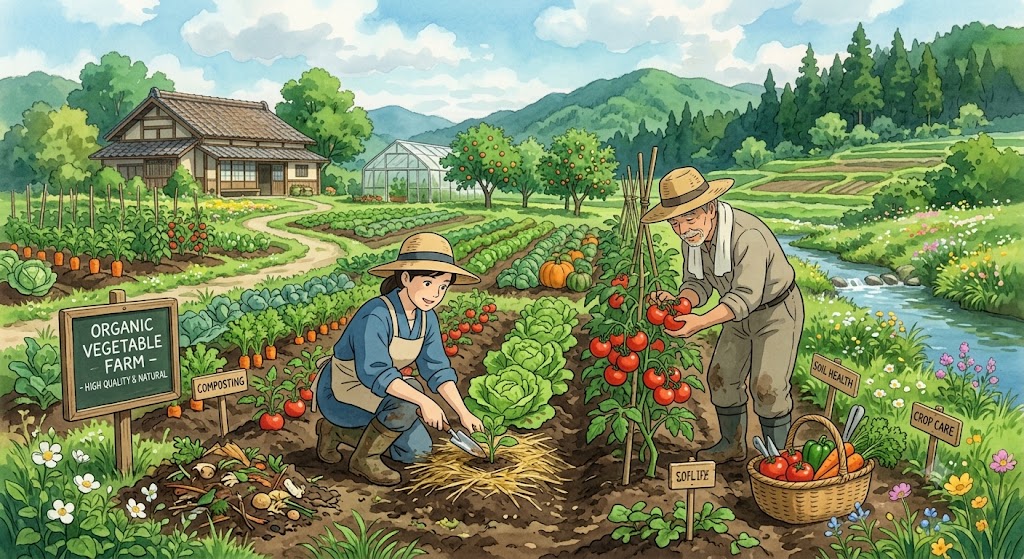
Vegetable farming is one of the most rewarding and profitable sectors of agriculture. Consumers today expect vegetables that are fresh, nutritious, visually appealing, and free from significant defects. Whether supplying local markets, supermarkets, restaurants, or export buyers, farmers must focus not only on yield but also on quality. High-quality vegetables often command better prices, attract repeat customers, and improve overall farm profitability.
Producing premium vegetables requires a combination of good planning, proper soil management, efficient irrigation, balanced nutrition, pest control, and careful post-harvest handling. Every stage of production influences the final quality of the harvest.
This guide explores the essential farming practices that help growers consistently produce high-quality vegetables while maintaining productivity and long-term sustainability.
Understanding Vegetable Quality
Vegetable quality is determined by several factors that influence market value and consumer satisfaction.
Important quality characteristics include:
- Freshness
- Appearance
- Color
- Size and uniformity
- Texture
- Flavor
- Nutritional value
- Shelf life
Farmers who focus on these factors throughout production are more likely to achieve premium market returns.
Quality begins long before harvest and depends on effective management throughout the growing cycle.
Select Suitable Vegetable Varieties
The foundation of successful vegetable production starts with choosing the right varieties.
Farmers should consider:
- Local climate conditions
- Soil characteristics
- Market demand
- Disease resistance
- Yield potential
- Growing season length
High-performing varieties often provide:
- Better quality
- Greater productivity
- Improved resilience
Selecting suitable varieties helps ensure strong crop performance and consistent harvest quality.
Use High-Quality Seeds and Planting Material
Healthy crops begin with healthy seeds.
Quality seeds offer:
- Higher germination rates
- Uniform growth
- Strong seedling development
- Better disease resistance
Using certified and reliable planting material reduces production risks and supports better crop establishment.
Strong crop establishment is critical for achieving high-quality harvests.
Prioritize Soil Health
Healthy soil is essential for vegetable production.
Soil quality directly affects:
- Root development
- Nutrient availability
- Water retention
- Plant health
Farmers can improve soil health through:
- Compost application
- Organic matter incorporation
- Cover cropping
- Crop rotation
- Reduced soil degradation
Healthy soils provide the foundation for vigorous plant growth and superior vegetable quality.
Conduct Soil Testing Regularly
Soil testing helps farmers understand field conditions before planting.
Testing can reveal:
- Nutrient deficiencies
- pH imbalances
- Organic matter levels
- Fertility requirements
Benefits include:
- More accurate fertilizer applications
- Improved nutrient management
- Reduced input waste
Well-informed fertility decisions contribute to stronger crops and higher-quality produce.
Implement Proper Land Preparation
Well-prepared fields support healthy crop development.
Good land preparation helps:
- Improve root penetration
- Enhance drainage
- Reduce weed pressure
- Promote uniform crop establishment
Preparation may include:
- Soil loosening
- Bed formation
- Organic matter incorporation
- Irrigation system installation
Proper field preparation creates favorable growing conditions from the beginning.
Maintain Balanced Nutrition
Vegetables require a steady supply of nutrients throughout their growth cycle.
Essential nutrients include:
Nitrogen
Supports leaf and stem growth.
Phosphorus
Promotes root development and early growth.
Potassium
Improves quality, disease resistance, and overall plant performance.
Micronutrients
Support numerous physiological functions.
Balanced nutrition helps produce vegetables with better appearance, flavor, and market value.
Practice Efficient Irrigation Management
Water plays a critical role in vegetable quality.
Inconsistent irrigation can result in:
- Poor growth
- Cracking
- Blossom-end rot
- Reduced yields
Effective irrigation strategies include:
- Drip irrigation systems
- Soil moisture monitoring
- Proper scheduling
- Water conservation practices
Consistent moisture levels support healthy plant development and improved crop quality.
Utilize Mulching Techniques
Mulching provides several important benefits for vegetable production.
Advantages include:
- Moisture conservation
- Weed suppression
- Temperature regulation
- Improved soil health
Common mulch materials include:
- Straw
- Crop residues
- Organic compost
- Biodegradable materials
Mulching helps maintain stable growing conditions throughout the season.
Implement Crop Rotation
Continuous vegetable production can increase pest, disease, and nutrient management challenges.
Crop rotation helps:
- Break pest cycles
- Reduce disease pressure
- Improve soil fertility
- Enhance biodiversity
Rotating vegetable crops with legumes and cover crops supports long-term productivity.
Diversified systems contribute to healthier and more sustainable farming operations.
Manage Weeds Effectively
Weeds compete with vegetables for:
- Nutrients
- Water
- Sunlight
- Growing space
Effective weed management strategies include:
- Mulching
- Mechanical cultivation
- Cover cropping
- Timely removal
Reducing weed pressure helps vegetables achieve optimal growth and quality.
Integrated Pest Management
Pests can significantly affect vegetable appearance and marketability.
Integrated Pest Management (IPM) focuses on:
- Monitoring pest populations
- Preventive measures
- Biological controls
- Targeted interventions
Benefits include:
- Reduced crop damage
- Lower pesticide costs
- Improved sustainability
Healthy crops are more likely to produce premium-quality vegetables.
Disease Prevention and Control
Plant diseases can reduce both yield and quality.
Preventive measures include:
- Proper crop spacing
- Good airflow
- Crop rotation
- Sanitation practices
- Disease-resistant varieties
Early detection and management help protect crop quality throughout the season.
Preventive approaches are often more effective than corrective treatments.
Maintain Proper Plant Spacing
Overcrowded crops may experience:
- Reduced airflow
- Increased disease risks
- Poor sunlight penetration
- Uneven growth
Proper spacing supports:
- Better plant development
- Improved productivity
- Enhanced vegetable quality
Following recommended spacing guidelines helps maximize crop performance.
Monitor Crop Growth Regularly
Frequent field inspections allow farmers to identify issues early.
Areas to monitor include:
- Plant vigor
- Nutrient deficiencies
- Pest activity
- Disease symptoms
- Irrigation performance
Timely interventions help prevent problems from affecting final crop quality.
Continuous monitoring supports better management decisions.
Harvest at the Correct Stage
Harvest timing has a major influence on vegetable quality.
Vegetables harvested too early or too late may experience:
- Reduced flavor
- Poor texture
- Lower nutritional value
- Shortened shelf life
Farmers should harvest crops at the stage that provides the best balance of quality and market demand.
Proper timing helps maximize customer satisfaction and profitability.
Handle Produce Carefully During Harvest
Rough handling can damage vegetables and reduce market value.
Best practices include:
- Gentle harvesting techniques
- Clean harvesting tools
- Avoiding unnecessary drops or impacts
- Protecting produce from excessive heat
Careful handling preserves freshness and appearance.
Minimizing damage improves overall product quality.
Improve Post-Harvest Management
Post-harvest handling is essential for maintaining quality after harvest.
Important practices include:
- Rapid cooling
- Proper storage
- Clean packaging
- Efficient transportation
Good post-harvest management helps extend shelf life and maintain marketability.
Quality preservation continues even after vegetables leave the field.
Maintain Accurate Farm Records
Record keeping supports continuous improvement.
Useful records include:
- Planting dates
- Fertilizer applications
- Irrigation schedules
- Pest management activities
- Harvest data
Accurate information helps farmers evaluate performance and refine future production strategies.
Building a High-Quality Vegetable Production System
A successful vegetable farming program should focus on:
- Variety selection
- Soil health management
- Balanced nutrition
- Efficient irrigation
- Pest and disease control
- Proper harvesting
- Careful post-harvest handling
Combining these practices creates a strong foundation for premium vegetable production.
Economic Benefits of High-Quality Vegetables
Producing premium vegetables often results in:
- Higher market prices
- Stronger customer loyalty
- Improved profitability
- Reduced post-harvest losses
- Greater market opportunities
Quality-focused production supports both financial success and long-term farm sustainability.
Conclusion
Producing high-quality vegetables requires attention to every stage of the farming process, from variety selection and soil preparation to irrigation management, pest control, harvesting, and post-harvest handling. Farmers who consistently apply these essential practices are better positioned to achieve strong yields, superior product quality, and improved profitability.
As consumer demand for fresh, nutritious, and visually appealing vegetables continues to grow, quality-focused production will remain one of the most important factors driving success in modern vegetable farming. By investing in good management practices today, farmers can build productive and sustainable vegetable enterprises for the future.