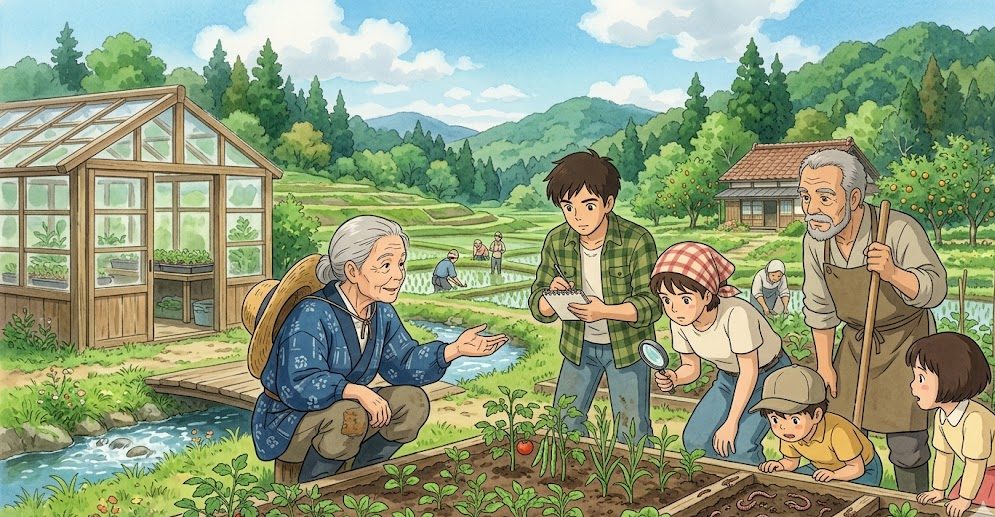
Agriculture is undergoing a massive transformation. Whether you are a commercial farmer managing hundreds of acres or a home gardener with a few raised beds, the goal remains the same: maximizing productivity while maintaining soil health.
In the modern era, “smart” farming isn’t just about technology; it’s about understanding the biology of your plants and the ecology of your land. This guide provides actionable, instructional insights into high-yield cultivation, pest management, and sustainable practices.
1. Soil Health: The Foundation of Every Harvest
Before a single seed is planted, the battle for yield is won or lost in the soil. Soil is not just “dirt”; it is a living ecosystem.
- The Power of Soil Testing: Never add fertilizers blindly. A soil test reveals the pH levels and nutrient deficiencies (Nitrogen, Phosphorus, Potassium). For most crops, a pH between 6.0 and 7.0 is the “sweet spot” for nutrient uptake.
- Organic Matter (The 5% Goal): Aim for at least 5% organic matter in your soil. Adding well-rotted compost, green manure, or vermicompost improves soil structure, allowing roots to breathe and retain moisture.
- No-Till Practices: Constant tilling destroys the fungal networks (mycorrhizae) that help plants absorb water. Practice “no-dig” or limited tilling to keep the soil biology intact.
2. Precision Irrigation: Watering with Purpose
Water is often a farmer’s biggest expense and a gardener’s biggest mistake. Overwatering is just as deadly as a drought.
- Drip Irrigation Systems: This is the gold standard for efficiency. By delivering water directly to the root zone, you reduce evaporation by up to 60% and prevent fungal diseases that thrive on wet leaves.
- The “Finger Test”: For gardeners, don’t water on a schedule. Stick your finger two inches into the soil; if it feels dry, it’s time to water.
- Mulching: Always keep the soil covered. Using straw, wood chips, or dried leaves acts as a “blanket,” keeping the soil cool and reducing the frequency of watering.
3. Integrated Pest Management (IPM)
The old way of farming relied on heavy chemical spraying. The modern way relies on Integrated Pest Management, which focuses on prevention and natural balance.
- Companion Planting: Certain plants act as natural bodyguards. For example:
- Marigolds: Repel nematodes and aphids.
- Basil: Enhances the flavor of tomatoes while keeping hornworms away.
- Garlic/Onion: Acts as a powerful deterrent for many garden pests.
- Beneficial Insects: Instead of killing all bugs, invite the “good” ones. Ladybugs, lacewings, and hoverflies are natural predators of aphids and mites. Planting sunflowers or dill can attract these tiny helpers.
- Homemade Organic Sprays: A simple mix of Neem oil, water, and a drop of organic soap can treat 80% of common garden infestations without harming the environment.
4. Advanced Crop Management Techniques
To increase yield without increasing space, you must use your vertical and temporal dimensions effectively.
- Vertical Farming: If you are short on space, grow up! Using trellises for cucumbers, beans, and even small melons can double your production per square foot.
- Succession Planting: Don’t plant all your seeds at once. Sow a new batch of greens or radishes every two weeks. This ensures a continuous harvest throughout the season rather than one giant peak followed by nothing.
- Crop Rotation: Never plant the same family of crops in the same spot two years in a row. For example, follow Nitrogen-heavy feeders (like corn or broccoli) with Nitrogen-fixers (like beans or peas) to naturally replenish the soil.
5. Nutritional Boosting: Beyond N-P-K
While Nitrogen, Phosphorus, and Potassium are essential, “micronutrients” act like vitamins for your plants.
- Compost Tea: Steeping high-quality compost in water creates a “liquid gold” fertilizer. This can be used as a foliar spray to boost plant immunity.
- Epsom Salts: Magnesium is the core of the chlorophyll molecule. A light sprinkle of Epsom salt around peppers and roses can lead to greener leaves and more vibrant blooms.
- Seaweed Extracts: These are rich in trace minerals and growth hormones that help plants survive environmental stress, such as heatwaves or cold snaps.
6. Post-Harvest and Seed Saving
The cycle of farming doesn’t end at the harvest. How you handle your produce determines its value and your future independence.
- Proper Curing: For crops like onions, garlic, and potatoes, “curing” (letting them dry in a shaded, airy spot) is vital for long-term storage.
- Seed Saving: Identify your strongest, healthiest plants and let them go to seed. By saving these seeds, you are naturally selecting for varieties that are adapted to your specific local climate and soil.
Quick Reference Guide for Success
| Task | Best Practice | Key Benefit |
|---|---|---|
| Fertilizing | Use organic compost & mulch | Long-term soil fertility |
| Weeding | Hand-pull early; use mulch | Reduces competition for nutrients |
| Pruning | Remove “suckers” and dead wood | Directs energy to fruit production |
| Climate | Use shade cloths in peak summer | Prevents blossom drop and wilting |
Export to Sheets
Conclusion: The Mindset of a Successful Grower
Whether you are scaling a commercial farm or tending to a balcony garden, the secret to success is observation. Spend time with your plants every day. Look for the first sign of a yellow leaf or a tiny insect.
Sustainable farming is a journey of continuous learning. By working with nature—using compost, encouraging biodiversity, and managing water wisely—you can achieve a bountiful harvest that is healthy for both you and the planet.
Happy Growing!