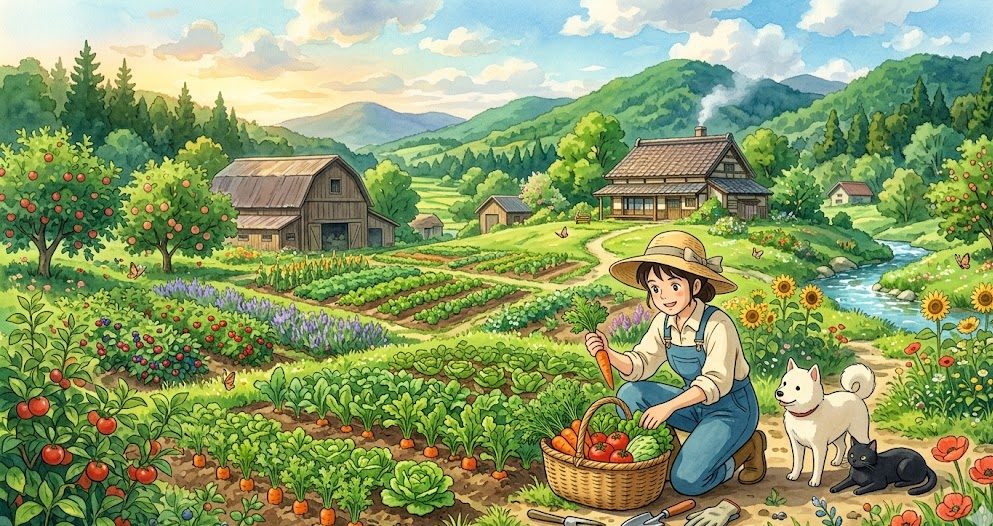
Agriculture is no longer just a means of subsistence; it has evolved into a sophisticated, high-stakes business. For the modern farmer or agricultural entrepreneur, the goal is to shift from “volume-based” farming to “value-based” harvesting. High-value crops—ranging from exotic fruits and medicinal herbs to organic vegetables—offer significantly higher profit margins per acre compared to traditional staples like wheat or corn.
However, high rewards come with high risks. Success in high-value harvesting requires a meticulous, scientific approach. This guide provides a comprehensive, step-by-step manual to transitioning into profitable crop production.
1. Market Intelligence: Selecting Your “Green Gold”
The biggest mistake in profitable farming is planting before selling. High-value crops are often perishable or niche, meaning you must identify your buyer first.
- Identify Trends: Research what is in demand. Are local urban centers looking for kale and microgreens? Is there an export market for dragon fruit or avocados?
- Analyze the Gap: Look for crops that are currently being imported into your region. Growing these locally reduces transportation costs and ensures freshness, giving you a competitive edge.
- Assess Ecological Fit: Not every profitable crop will grow in your soil. Conduct a thorough analysis of your local climate (temperature, rainfall, humidity) and soil pH.
2. Soil Preparation and Enrichment
The soil is your primary asset. High-value crops are demanding; they require a nutrient-dense environment to produce the premium quality that buyers expect.
- Soil Testing: Before planting, send samples to a lab. You need to know your levels of Nitrogen (N), Phosphorus (P), and Potassium (K), as well as micronutrients like Boron and Zinc.
- Organic Amendments: Incorporate well-composted manure or green mulch. High-value harvesting often relies on the “organic” label to fetch premium prices.
- Precision Bed Preparation: Many high-value vegetables thrive in raised beds which offer better drainage and aeration.
3. High-Quality Seed and Variety Selection
In the world of high-value crops, genetics are everything. A standard seed might yield a decent crop, but a “hybrid” or “heirloom” variety specifically bred for disease resistance or flavor can double your market price.
- Certified Seeds: Always buy from reputable suppliers. Cheap seeds often have low germination rates or carry seed-borne diseases.
- Climate-Resilient Varieties: With changing weather patterns, selecting drought-tolerant or heat-resistant varieties is a form of insurance for your investment.
4. Precision Infrastructure: Irrigation and Protection
High-value crops are sensitive. A single heatwave or a week of flooding can wipe out an entire season’s profit. Investing in infrastructure is non-negotiable.
Smart Irrigation
Drip irrigation is the gold standard for high-value harvesting. It delivers water directly to the root zone, reducing wastage and preventing fungal diseases caused by overhead watering. For maximum efficiency, consider Fertigation—the process of delivering liquid fertilizers through the irrigation system.
Controlled Environments
If your budget allows, greenhouses or poly-houses are game-changers. They allow for year-round production, protecting crops from pests and extreme weather.
5. Integrated Pest Management (IPM)
To maintain high-value status, your produce must be aesthetically perfect—no spots, no bites, and no chemical residue.
- Biological Controls: Use “good bugs” like ladybugs or predatory mites to eat the pests.
- Pheromone Traps: These monitor pest levels and disrupt mating cycles without the use of toxic sprays.
- Early Detection: Walk your fields daily. Identifying a localized infestation on Monday can save the entire field by Friday.
6. The Art of the Harvest
High-value harvesting is as much about timing as it is about technique. A crop harvested 24 hours too late might lose 20% of its market value due to over-ripeness.
- Peak Maturity: Learn the specific indicators for your crop—whether it’s the “thump” of a melon, the color change in a berry, or the sugar content (Brix level) measured by a refractometer.
- Gentle Handling: High-value produce is often fragile. Use specialized harvesting shears and padded crates to prevent bruising.
- Field Cooling: Remove “field heat” as quickly as possible. For many crops, getting the produce into a shaded, cool area within an hour of picking significantly extends shelf life.
7. Post-Harvest Management and Value Addition
The journey doesn’t end at the harvest; it ends at the consumer’s table.
- Grading and Sorting: Divide your harvest into “Grade A” (premium price) and “Grade B” (for processing or local markets). Consistency in size and color is what high-end retailers pay for.
- Packaging: Presentation is vital. Eco-friendly, attractive packaging that tells the “story” of your farm can justify a higher price point.
- Processing: If you have surplus, consider value addition. Drying herbs, turning fruits into artisanal jams, or vacuum-packing sliced vegetables can turn a potential loss into a high-margin product.
8. Financial Management and Scaling
Profitable farming requires rigorous bookkeeping. You must track your Cost of Production (CoP) meticulously.
- Calculate the Margin:Profit=(MarketPrice×Yield)−(InputCosts+Labor+Logistics)
- Reinvest: Use the profits from your first successful high-value cycle to automate processes—perhaps a solar-powered irrigation pump or a refrigerated delivery van.
Conclusion
High-value harvesting is a journey of precision, patience, and passion. By shifting your focus from “how much can I grow” to “how well can I grow,” you unlock the true economic potential of your land.
The transition to high-value crops is not just a change in seeds; it is a change in mindset. It requires the heart of a farmer and the brain of a CEO. With the right market research, disciplined soil management, and a commitment to post-harvest quality, your farm can become a consistent engine of profit and a beacon of modern agricultural excellence.