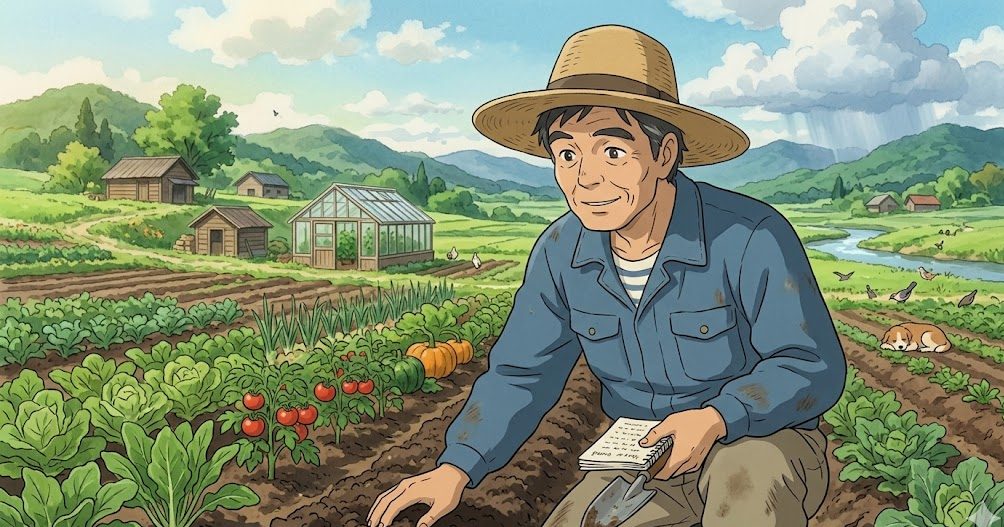
Agriculture is the backbone of civilization, but the methods we use to cultivate our land are undergoing a profound transformation. As global demand for food rises and climate patterns become increasingly unpredictable, farmers are shifting from traditional, intensive methods toward Modern Farming—a practice that balances high productivity with environmental stewardship.
In this comprehensive handbook, we will explore the pillars of a successful, nature-focused farming operation: mastering soil health, adapting to your specific climate, and selecting the right crops to maximize your revenue.
1. Mastering Soil Health: The Foundation of Profitability
The most successful farmers know that they are not just growing crops; they are growing soil. Healthy soil is a living ecosystem that provides essential nutrients, retains water, and protects plants from pests and diseases.
The Importance of Soil Testing
Before you plant a single seed, you must understand what lies beneath. Regular soil testing helps you identify:
- Nutrient Levels: Are you deficient in nitrogen, phosphorus, or potassium (NPK)?
- pH Balance: Most crops thrive in slightly acidic to neutral soil. Knowing your pH allows you to amend the soil correctly.
- Organic Matter: Higher organic matter improves water retention and nutrient availability.
Regenerative Techniques to Build Soil
Modern farming favors regenerative practices that improve soil over time rather than depleting it.
- Cover Cropping: Planting crops like clover or rye during the off-season prevents erosion and adds nitrogen back into the soil.
- Minimal Tillage: Excessive tilling disrupts the fungal networks that help plants absorb water. Reducing tillage helps maintain soil structure.
- Composting: Converting farm waste into nutrient-dense compost is the most cost-effective way to improve soil fertility naturally.
2. Climate-Smart Agriculture: Adapting to Your Environment
Climate is the single biggest variable in farming. Whether you are facing extreme heat, drought, or excessive rainfall, your success depends on how well you adapt your practices to your local microclimate.
Identifying Your Growing Zone
Do not attempt to grow crops that are not suitable for your specific Hardiness Zone. Consult local agricultural extension offices to understand your average frost dates and temperature ranges.
Implementing Water Management Systems
Water is a precious resource. Modern farmers are moving away from flood irrigation toward more efficient methods:
- Drip Irrigation: Delivers water directly to the root zone, reducing evaporation and water waste by up to 50%.
- Rainwater Harvesting: Collecting and storing runoff can provide a buffer during dry spells.
- Mulching: Applying organic mulch around your plants helps retain soil moisture, suppresses weeds, and regulates ground temperature.
3. Nature-Focused Crop Selection for Higher Revenue
Selecting the right crops is a balancing act between environmental suitability and market demand. To maximize revenue, focus on high-value, fast-cycle crops that integrate well with natural ecosystems.
The Power of Diversity
Monoculture farming (growing a single crop over large areas) is risky and depletes the soil. Instead, implement Polyculture or Intercropping.
- Benefits: Growing different plants together can naturally repel pests and improve space efficiency. For example, planting nitrogen-fixing legumes alongside heavy-feeding leafy greens creates a balanced nutrient cycle.
High-Margin Crops to Consider
If you are looking to scale your revenue, consider these categories:
- Microgreens and Herbs: Fast turnover (2–3 weeks) and high retail price. Perfect for controlled-environment or greenhouse farming.
- Gourmet Mushrooms: Can be grown indoors with minimal space, utilizing agricultural waste like straw or sawdust.
- Heirloom Varieties: There is a growing premium market for unique, flavorful vegetables that aren’t found in mass-market supermarkets.
4. Integrating Technology with Nature
Modern farming doesn’t mean moving away from nature; it means using technology to understand nature better.
- IoT Sensors: Deploy low-cost sensors to monitor soil moisture and temperature in real-time. This allows for data-driven decisions rather than guessing.
- Integrated Pest Management (IPM): Instead of reaching for synthetic pesticides, use IPM. This involves monitoring pest populations, encouraging natural predators (like ladybugs), and using physical barriers (like netting).
- Data Logging: Keep meticulous records of planting dates, yields, and weather conditions. Over time, this data becomes your most valuable asset, helping you predict outcomes and improve efficiency every season.
5. Scaling Your Farm for Long-Term Success
Scaling is not about doing the same thing on a larger scale; it’s about refining your systems. As you grow, focus on economies of scale.
Build Local Relationships
The best market for a modern farmer is their own community. Direct-to-consumer sales, such as farmers’ markets, farm-to-table partnerships with local chefs, and CSA (Community Supported Agriculture) programs, allow you to capture the full retail value of your produce.
Focus on Sustainability as a Brand
Modern consumers care about where their food comes from. By highlighting your nature-focused methods—such as “chemical-free,” “regenerative,” or “sustainably grown”—you differentiate your farm from industrial competitors. This branding allows you to command higher prices and build a loyal customer base.
Conclusion
Modern farming is a blend of ancient wisdom and cutting-edge science. By prioritizing soil health, adapting to your unique climate, and choosing crops that work in harmony with nature, you can build a resilient, profitable, and sustainable farming business.
Start small, observe your land, document your results, and always be willing to learn. The future of food belongs to those who work with nature, not against it.