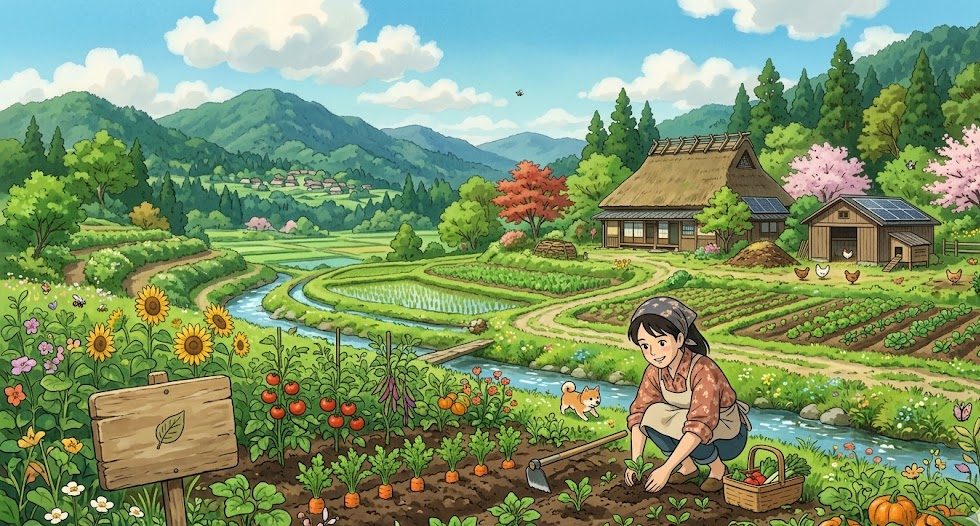
The global population is growing at an unprecedented rate, and with it, the demand for food continues to skyrocket. For decades, the answer to this growing demand was industrial agriculture—a system heavily reliant on chemical fertilizers, synthetic pesticides, and intensive farming practices. While this approach temporarily boosted crop yields, it has taken a severe toll on our planet. Soil degradation, water pollution, and a dramatic loss of biodiversity have forced us to rethink how we produce our food.
Enter sustainable agriculture. By combining modern science with time-tested natural methods, sustainable farming offers a pathway to feed the world without destroying the earth. In this comprehensive guide, we will explore the fundamentals of sustainable agriculture, the natural methods driving this green revolution, and the profound benefits it offers to farmers, consumers, and the environment.
What is Sustainable Agriculture?
At its core, sustainable agriculture is the practice of farming in a way that meets society’s present food and textile needs without compromising the ability of future generations to meet their own needs. It is a holistic approach that views the farm not as a factory, but as a living ecosystem.
Unlike conventional farming, which often focuses solely on maximizing short-term yields, sustainable farming seeks a delicate balance. It aims to integrate biological and ecological processes into food production, minimizing the use of non-renewable inputs and ensuring that the land remains fertile and productive for centuries to come.
The Three Pillars of Sustainability
To truly understand sustainable agriculture, it is essential to look at its foundation. A farming system is only considered sustainable if it successfully balances three core pillars:
- Environmental Stewardship: Protecting and enhancing the natural resources that farming relies on, such as soil health, water quality, and local wildlife biodiversity.
- Economic Profitability: Ensuring that farmers can earn a fair, viable living from their labor and land, which keeps rural communities thriving.
- Social Equity: Providing fair treatment, safe working conditions, and fair wages for farmworkers, while ensuring that the local community has access to healthy, affordable food.
Top Natural Methods in Sustainable Agriculture
The transition to sustainable farming relies heavily on natural methods that mimic the Earth’s natural ecological cycles. Here are the most effective natural techniques being used by sustainable farmers today.
Crop Rotation
Growing the same crop in the exact same soil year after year depletes specific nutrients and invites targeted pests and diseases. Crop rotation involves planting different types of crops in the same area across a sequence of seasons. For example, a farmer might plant nitrogen-consuming corn one year, and nitrogen-fixing beans the next. This natural method replenishes soil nutrients naturally and breaks the life cycles of harmful pests.
Cover Cropping
Bare soil is highly vulnerable to wind and water erosion. Sustainable farmers plant cover crops—such as clover, oats, or vetch—during off-seasons when the main crops are not growing. These crops are not necessarily grown for harvest; instead, they protect the soil from erosion, suppress weed growth, and add vital organic matter back into the earth when they decompose.
Polyculture and Companion Planting
Nature does not grow in monocultures (vast fields of a single plant), and neither should our farms. Polyculture involves growing multiple crop species in the same space at the same time. A popular sub-technique is companion planting, where specific plants are grown near each other for mutual benefit. For example, planting marigolds near tomatoes naturally deters nematodes and other harmful insects without the need for toxic chemical sprays.
Natural Pest Management
Instead of relying on synthetic pesticides that harm beneficial insects and pollute waterways, sustainable agriculture utilizes biological control. This involves introducing or encouraging natural predators to manage pest populations. Ladybugs, lacewings, and specific types of birds are welcomed onto the farm to feast on aphids and caterpillars. This creates a balanced ecosystem where pest populations are kept in check naturally.
Agroforestry
Agroforestry is the intentional integration of trees and shrubs into crop and animal farming systems. The trees provide shade, act as windbreaks to prevent soil erosion, and drop leaves that decompose and enrich the soil. Deep tree roots also help pull water and nutrients up from lower soil layers, making them accessible to shallower-rooted crops.
Composting and Organic Fertilizers
Chemical fertilizers provide a quick burst of nutrients but degrade soil structure over time. Natural methods focus on building healthy soil using compost, animal manure, and green manure. Composting recycles organic waste—like food scraps and crop residue—into a rich, dark substance that improves soil moisture retention, encourages beneficial microbial life, and provides a steady, slow release of nutrients to plants.
The Benefits of Going Natural
Shifting toward sustainable agriculture and natural farming methods provides a massive ripple effect of benefits across the globe.
1. Environmental Conservation
By eliminating synthetic chemicals and focusing on soil health, natural methods drastically reduce water pollution. Healthy, organic-rich soil acts like a sponge, absorbing rainfall and reducing the risk of floods and agricultural runoff. Furthermore, these practices transform farms into carbon sinks, pulling carbon dioxide out of the atmosphere and storing it in the soil, which helps combat climate change.
2. Enhanced Food Quality and Safety
Food grown using natural methods is entirely free from synthetic pesticide residues. Many studies suggest that crops grown in nutrient-dense, biologically active soils have higher concentrations of vitamins, minerals, and antioxidants compared to their conventionally grown counterparts.
3. Long-Term Economic Viability for Farmers
While conventional farming requires farmers to constantly purchase expensive chemical fertilizers and patented seeds, sustainable farming reduces the reliance on off-farm inputs. By creating a self-sustaining ecosystem, farmers can lower their operational costs over time. Healthier soil also means crops are more resilient to extreme weather, droughts, and diseases, reducing the risk of total crop failure.
4. Preservation of Biodiversity
Conventional farming actively destroys habitats to make way for massive, sterile fields. Sustainable farms, with their cover crops, trees, and varied plant life, create safe havens for pollinators like bees and butterflies, as well as a wide variety of birds and beneficial insects.
Embracing the Future of Food
The shift toward Sustainable Agriculture & Natural Methods is no longer just an alternative lifestyle choice; it is an absolute necessity for the survival of our planet and future generations. While the transition from conventional to sustainable farming takes time, education, and effort, the long-term rewards are undeniable.
By supporting local, sustainable farmers and choosing organically grown products, consumers can vote with their wallets. Every time we prioritize natural methods, we take a step closer to a world where our agricultural systems heal the earth rather than harm it. The future of farming is not found in a laboratory or a chemical plant—it is found in the dirt beneath our feet, rooted in the brilliant, balanced, and sustainable designs of nature itself.