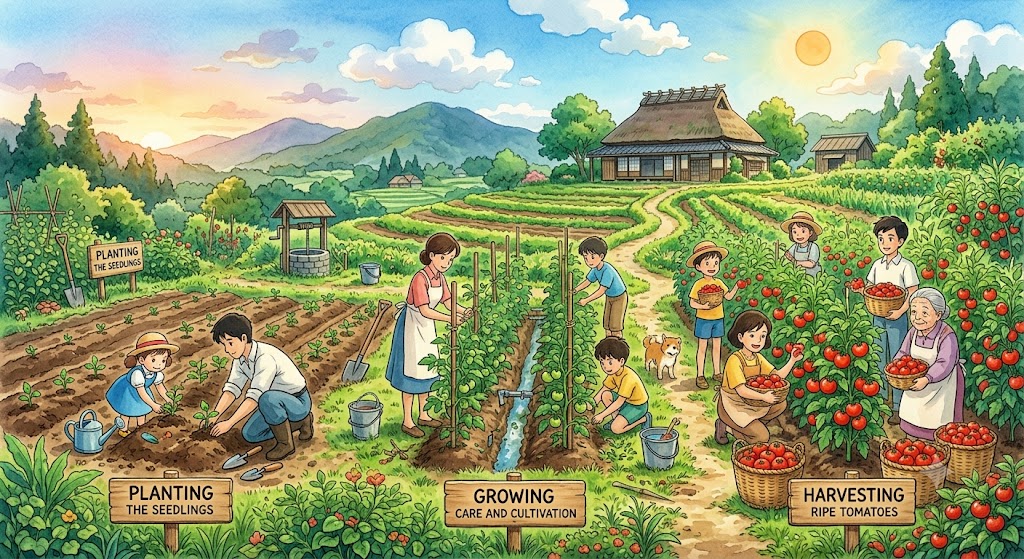
Tomatoes are among the most widely grown and consumed vegetables in the world. Whether used in salads, sauces, soups, or countless other dishes, tomatoes are an essential crop for both home gardeners and commercial farmers. Their high demand, relatively short growing cycle, and strong market value make tomato farming an attractive agricultural venture.
However, successful tomato production requires more than simply planting seeds and waiting for fruits to appear. Factors such as soil preparation, variety selection, irrigation, pest management, and harvesting techniques all play a vital role in achieving healthy plants and high yields.
This complete tomato farming guide covers everything from planting to harvest, helping growers maximize productivity while maintaining crop quality throughout the growing season.
Understanding Tomato Farming
Tomatoes thrive in warm climates with plenty of sunlight and well-drained soil. They can be grown in open fields, raised beds, greenhouses, and even containers.
The crop generally takes between 70 and 120 days from planting to harvest, depending on the variety and growing conditions.
Popular tomato categories include:
- Determinate tomatoes
- Indeterminate tomatoes
- Cherry tomatoes
- Roma tomatoes
- Beefsteak tomatoes
- Hybrid varieties
Choosing the right variety is one of the first and most important steps toward a successful harvest.
Selecting the Right Tomato Variety
Different tomato varieties are suited for different purposes and growing conditions.
Determinate Varieties
These plants grow to a fixed size and produce fruits over a shorter period. They are ideal for commercial production and processing.
Indeterminate Varieties
These continue growing and producing fruit throughout the season. They often provide higher total yields but require staking and regular maintenance.
Hybrid Varieties
Hybrid tomatoes are often bred for:
- Higher yields
- Disease resistance
- Uniform fruit size
- Better shelf life
Select varieties that perform well in your local climate and market conditions.
Climate Requirements for Tomato Farming
Tomatoes grow best in warm temperatures ranging between 20°C and 30°C (68°F to 86°F).
Ideal conditions include:
- Full sunlight for 6–8 hours daily
- Moderate humidity
- Protection from extreme frost
- Good air circulation
Excessive heat, cold temperatures, or prolonged rainfall can negatively affect flowering and fruit development.
Soil Preparation
Healthy soil forms the foundation of productive tomato farming.
Tomatoes prefer:
- Well-drained loamy soil
- Rich organic matter content
- Soil pH between 6.0 and 6.8
Before planting:
- Remove weeds and debris
- Loosen the soil thoroughly
- Add compost or well-rotted manure
- Improve drainage if necessary
Good soil preparation encourages strong root development and healthy plant growth.
Starting Tomato Seeds
Many farmers begin with seedlings rather than direct sowing.
Seedling Preparation Steps
- Fill seed trays with quality growing medium.
- Sow seeds about 0.5 cm deep.
- Water gently after planting.
- Keep trays warm and moist.
- Provide adequate sunlight after germination.
Seeds typically germinate within 5 to 10 days under suitable conditions.
Healthy seedlings are usually ready for transplanting after 4 to 6 weeks.
Transplanting Tomato Seedlings
Transplant seedlings when they have developed several true leaves and weather conditions are favorable.
Proper Plant Spacing
Spacing varies by variety, but common recommendations include:
- 45–60 cm between plants
- 75–120 cm between rows
Adequate spacing helps:
- Improve airflow
- Reduce disease risk
- Enhance sunlight penetration
- Simplify field management
Avoid overcrowding plants, as it can reduce productivity.
Irrigation Management
Tomatoes require consistent moisture throughout the growing season.
Watering guidelines include:
- Deep watering rather than frequent shallow watering
- Keeping soil evenly moist
- Avoiding waterlogging
- Reducing water stress during flowering and fruit development
Drip irrigation is often considered one of the most efficient methods because it conserves water and minimizes disease problems.
Signs of Improper Watering
Underwatering may cause:
- Wilting
- Flower drop
- Small fruits
Overwatering may cause:
- Root diseases
- Fruit cracking
- Nutrient loss
Maintaining balanced moisture levels is essential for quality production.
Fertilization for Healthy Growth
Tomatoes are nutrient-demanding plants.
Important nutrients include:
Nitrogen
Supports leaf and stem growth.
Phosphorus
Promotes root development and flowering.
Potassium
Improves fruit quality and disease resistance.
Organic fertility options include:
- Compost
- Vermicompost
- Animal manure
- Organic fertilizers
Regular soil testing can help identify nutrient deficiencies and improve fertilizer management.
Supporting Tomato Plants
Many tomato varieties benefit from physical support.
Common support systems include:
- Stakes
- Trellises
- Tomato cages
Benefits of plant support:
- Improved airflow
- Cleaner fruits
- Reduced disease pressure
- Easier harvesting
Supporting plants also helps prevent branches from breaking under the weight of developing fruits.
Pruning and Plant Maintenance
Pruning can improve productivity, especially in indeterminate varieties.
Benefits include:
- Better air circulation
- Improved sunlight exposure
- Easier pest monitoring
- Enhanced fruit quality
Remove damaged leaves and excessive side shoots when necessary.
However, avoid excessive pruning, as leaves are important for photosynthesis and fruit development.
Common Tomato Pests
Several pests can damage tomato crops.
Aphids
These small insects feed on plant sap and may spread diseases.
Whiteflies
Whiteflies weaken plants and can transmit viral infections.
Tomato Fruit Worms
These pests attack developing fruits and reduce marketable yield.
Spider Mites
Spider mites thrive during hot, dry conditions and can cause leaf damage.
Regular monitoring helps detect infestations before they become severe.
Common Tomato Diseases
Disease management is essential for successful production.
Early Blight
Causes dark spots on leaves and stems.
Late Blight
A highly destructive disease that can spread rapidly.
Fusarium Wilt
A soil-borne disease that causes wilting and plant decline.
Bacterial Spot
Leads to leaf and fruit lesions.
Preventive measures include:
- Crop rotation
- Disease-resistant varieties
- Proper spacing
- Clean irrigation practices
- Field sanitation
Prevention is usually more effective than treatment.
Weed Management
Weeds compete with tomatoes for:
- Water
- Nutrients
- Sunlight
Effective weed control methods include:
- Mulching
- Hand weeding
- Mechanical cultivation
- Cover cropping
Keeping fields clean improves overall crop performance and reduces pest habitats.
Flowering and Fruit Development
Tomato plants typically begin flowering several weeks after transplanting.
Successful fruit set depends on:
- Proper nutrition
- Adequate moisture
- Favorable temperatures
- Pollinator activity
Extreme temperatures may reduce fruit formation and affect yields.
Healthy plants generally produce larger and more uniform fruits.
Harvesting Tomatoes
Harvest timing depends on the intended market and transportation requirements.
Tomatoes can be harvested at:
- Mature green stage
- Breaker stage
- Pink stage
- Fully ripe stage
For local markets, fully ripe tomatoes often provide the best flavor.
For long-distance transport, slightly less mature fruits may be preferred.
Harvesting Tips
- Pick fruits carefully to avoid bruising.
- Harvest during cooler parts of the day.
- Use clean containers.
- Handle fruits gently during transport.
Proper harvesting practices help maintain quality and reduce post-harvest losses.
Post-Harvest Handling
After harvest:
- Sort fruits by size and quality
- Remove damaged tomatoes
- Store in cool, well-ventilated conditions
- Use appropriate packaging
Good post-harvest management extends shelf life and improves market value.
Frequently Asked Questions
1. How long does it take to grow tomatoes from planting to harvest?
Most tomato varieties take between 70 and 120 days, depending on the variety and growing conditions.
2. What type of soil is best for tomatoes?
Well-drained loamy soil rich in organic matter with a pH between 6.0 and 6.8 is generally ideal.
3. How often should tomato plants be watered?
Tomatoes need consistent moisture, typically requiring deep watering several times per week depending on weather conditions.
4. Why are my tomato flowers falling off?
Flower drop can result from temperature stress, water stress, nutrient imbalances, or poor pollination.
5. Do tomato plants need support?
Many varieties benefit from staking, trellising, or cages to improve fruit quality and plant health.
Conclusion
Tomato farming can be highly rewarding when proper cultivation practices are followed from planting through harvest. Success depends on selecting suitable varieties, preparing fertile soil, managing water efficiently, providing adequate nutrition, and controlling pests and diseases before they become serious problems.
By focusing on plant health throughout the growing season, farmers can produce higher yields, better-quality fruits, and more profitable harvests. Whether you are growing tomatoes on a small garden plot or a large commercial farm, careful planning and consistent management are the keys to long-term success.
Explore more helpful articles on our website for additional farming guides, crop production tips, and sustainable agriculture practices.