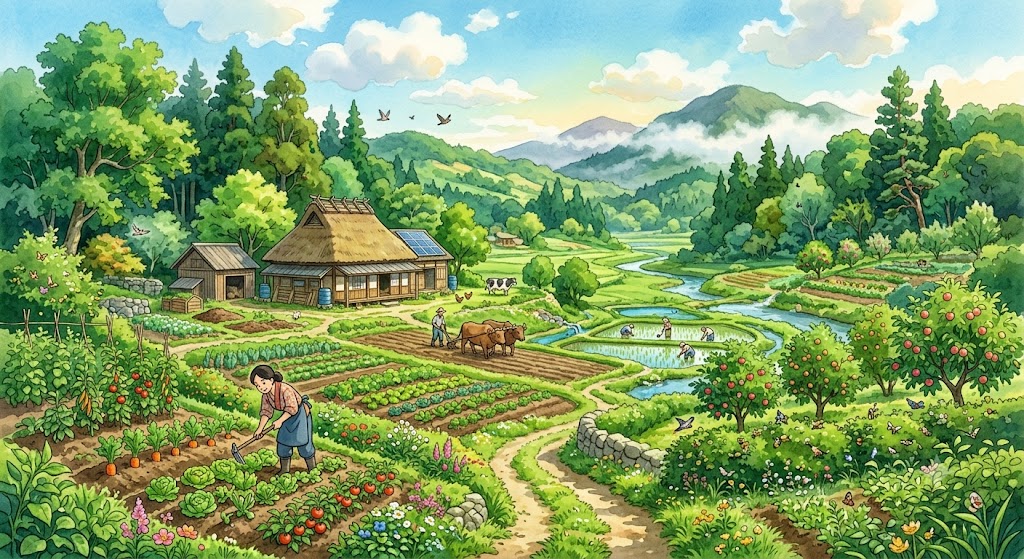
Agriculture plays a vital role in feeding the world’s growing population, but it also has a significant impact on the environment. Traditional farming methods can sometimes lead to soil degradation, water pollution, loss of biodiversity, and excessive use of natural resources. As a result, farmers around the globe are increasingly adopting eco-friendly farming practices that support both productivity and environmental conservation.
Sustainable agriculture focuses on producing healthy crops and livestock while protecting the land, water, and ecosystems that farming depends on. Eco-friendly farming methods help reduce environmental damage, improve soil fertility, conserve resources, and ensure long-term agricultural success. The good news is that many sustainable practices are practical, cost-effective, and beneficial for farms of all sizes.
Here are ten eco-friendly farming practices that can help create a more sustainable and productive agricultural system.
1. Crop Rotation
Crop rotation is one of the oldest and most effective sustainable farming techniques.
Instead of growing the same crop in the same field every year, farmers alternate different crops over multiple growing seasons. This practice helps maintain soil fertility, reduce pest problems, and minimize disease outbreaks.
Benefits of Crop Rotation
- Improves soil nutrient balance
- Reduces pest and disease buildup
- Enhances soil structure
- Increases long-term productivity
- Reduces dependence on chemical inputs
A well-planned crop rotation program can significantly improve farm sustainability.
2. Cover Cropping
Cover crops are planted primarily to improve soil health rather than for harvest.
Common cover crops include:
- Clover
- Rye
- Vetch
- Mustard
- Alfalfa
These crops protect soil from erosion, suppress weeds, improve moisture retention, and add valuable organic matter.
Why Cover Crops Matter
Cover crops act as a natural shield for the soil during periods when fields would otherwise remain bare, helping preserve valuable topsoil and nutrients.
3. Composting Organic Waste
Composting transforms organic waste into nutrient-rich material that improves soil fertility.
Materials commonly used for composting include:
- Crop residues
- Vegetable scraps
- Fruit peels
- Grass clippings
- Animal manure
- Dry leaves
Applying compost reduces waste while providing crops with essential nutrients in a natural and environmentally friendly way.
4. Integrated Pest Management (IPM)
Integrated Pest Management focuses on controlling pests using a combination of environmentally responsible strategies.
Rather than relying solely on chemical pesticides, IPM may include:
- Biological controls
- Crop rotation
- Beneficial insects
- Physical barriers
- Regular monitoring
Advantages of IPM
- Reduces pesticide use
- Protects beneficial insects
- Lowers production costs
- Supports environmental health
- Improves long-term pest control
IPM helps farmers manage pests more sustainably while protecting ecosystems.
5. Conservation Tillage
Excessive tilling can damage soil structure and increase erosion.
Conservation tillage reduces soil disturbance while preserving crop residues on the soil surface.
Benefits include:
- Improved soil moisture retention
- Reduced erosion
- Enhanced microbial activity
- Better soil structure
- Lower fuel consumption
Many sustainable farming operations use reduced-till or no-till systems to improve long-term soil health.
6. Efficient Water Management
Water is one of agriculture’s most valuable resources.
Eco-friendly farming emphasizes efficient irrigation methods such as:
- Drip irrigation
- Rainwater harvesting
- Soil moisture monitoring
- Mulching
Water Conservation Benefits
Efficient irrigation systems help farmers:
- Reduce water waste
- Lower irrigation costs
- Improve crop performance
- Protect groundwater supplies
Proper water management is especially important in regions facing drought or water scarcity.
7. Agroforestry
Agroforestry combines trees and agricultural crops on the same land.
Trees provide numerous environmental benefits, including:
- Wind protection
- Improved biodiversity
- Carbon storage
- Soil stabilization
- Shade for livestock
Examples of Agroforestry Systems
- Alley cropping
- Silvopasture
- Windbreaks
- Forest farming
This practice helps create more resilient and productive farming landscapes.
8. Organic Fertilizer Use
Natural fertilizers help nourish crops while improving soil health.
Popular organic fertilizer sources include:
- Compost
- Vermicompost
- Green manure
- Animal manure
- Bone meal
Unlike some synthetic fertilizers, organic fertilizers gradually release nutrients and contribute to long-term soil fertility.
9. Mulching
Mulching involves covering the soil surface with organic or biodegradable materials.
Common mulching materials include:
- Straw
- Dry leaves
- Wood chips
- Grass clippings
- Crop residues
Benefits of Mulching
- Conserves soil moisture
- Reduces weed growth
- Regulates soil temperature
- Improves soil structure
- Adds organic matter over time
Mulching is a simple yet highly effective practice that supports sustainable crop production.
10. Promoting Biodiversity on the Farm
Healthy ecosystems rely on biodiversity.
Farms that support a variety of plants, insects, birds, and microorganisms tend to be more resilient and productive.
Ways to increase biodiversity include:
- Planting native vegetation
- Creating pollinator habitats
- Maintaining hedgerows
- Diversifying crops
- Reducing unnecessary chemical use
Why Biodiversity Is Important
Biodiversity helps:
- Improve pollination
- Enhance pest control
- Strengthen ecosystem balance
- Increase farm resilience
A diverse farm environment often requires fewer external inputs and supports long-term sustainability.
The Long-Term Benefits of Eco-Friendly Farming
Adopting sustainable agricultural practices provides benefits beyond immediate crop production.
These benefits include:
- Improved soil health
- Better water conservation
- Reduced environmental impact
- Increased biodiversity
- Greater resilience to climate challenges
- Long-term farm profitability
Eco-friendly farming is not only good for the environment but also helps secure the future of agriculture.
Frequently Asked Questions
1. What is eco-friendly farming?
Eco-friendly farming involves agricultural practices that protect natural resources, reduce environmental harm, and support long-term sustainability.
2. Why is crop rotation important in sustainable agriculture?
Crop rotation improves soil fertility, reduces pests and diseases, and helps maintain healthy growing conditions.
3. How does composting benefit farms?
Composting recycles organic waste into nutrient-rich material that improves soil structure and fertility.
4. What is the purpose of agroforestry?
Agroforestry integrates trees into farming systems to improve biodiversity, soil conservation, and overall farm sustainability.
5. Can eco-friendly farming improve crop yields?
Yes. Healthy soil, efficient water use, improved biodiversity, and sustainable management practices often lead to more stable and productive harvests over time.
Conclusion
Sustainable agriculture is essential for meeting current food demands while protecting the natural resources future generations will depend on. Eco-friendly farming practices such as crop rotation, cover cropping, composting, efficient water management, agroforestry, and biodiversity conservation help create healthier farms and stronger ecosystems.
By adopting these environmentally responsible methods, farmers can improve soil fertility, reduce resource waste, increase resilience to environmental challenges, and maintain productive agricultural systems for years to come. Sustainable farming is not simply a trend—it is a practical approach to ensuring the long-term success of agriculture worldwide.
Explore more helpful articles on our website for additional farming guides, sustainable agriculture tips, and practical solutions for improving crop production.