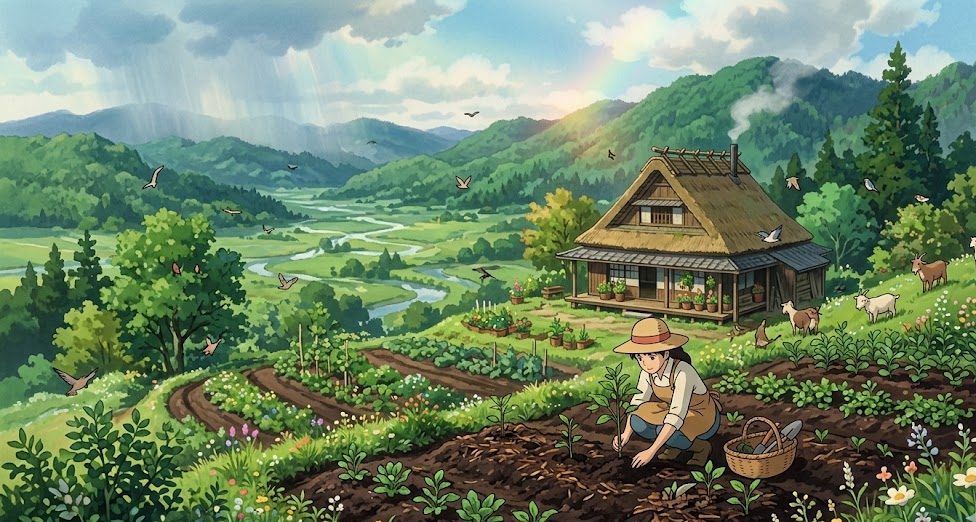
The global agricultural landscape is facing an unprecedented challenge. With erratic weather patterns, rising temperatures, and unpredictable rainfall, traditional farming methods are being pushed to their limits. To thrive in this new era, farmers and growers must shift their focus toward Climate-Resilient Soil and Nature-Focused Crop Cultivation.
This guide explores the essential elements of building a farming system that not only survives climate stress but thrives within it by working with nature, not against it.
The Foundation: Understanding Climate-Resilient Soil
Soil is not just “dirt”; it is a living, breathing ecosystem. Climate resilience starts underground. When soil is healthy, it acts as a sponge, holding water during droughts and draining efficiently during floods.
1. Carbon Sequestration and Organic Matter
The key to resilient soil is Soil Organic Matter (SOM). By increasing carbon content through the use of compost, green manure, and cover crops, we improve the soil’s structure. High-carbon soil is more stable and provides a steady supply of nutrients even when the climate becomes harsh.
2. The Power of the Soil Food Web
Nature-focused cultivation relies on a thriving community of microbes, fungi, and earthworms. These organisms break down organic minerals into forms that plants can easily absorb. Avoiding heavy chemical fertilizers protects these “invisible workers,” ensuring long-term soil fertility without the need for synthetic inputs.
Strategic Water Management
In climate-resilient farming, water is the most precious resource. Mastering its management is a core element of sustainable success.
- Mulching: Covering the soil with organic materials like straw or wood chips reduces evaporation by up to 70%. It also keeps the soil temperature cool during extreme summer heat.
- Rainwater Harvesting: Collecting and storing water during the monsoon ensures a “hidden” reserve for dry spells.
- Hydro-Zoning: Grouping crops with similar water needs allows for more efficient irrigation, preventing water waste and ensuring that high-value crops get the moisture they need.
Nature-Focused Crop Cultivation Techniques
Growing crops in a climate-uncertain world requires a move away from monocultures and toward diversity.
1. Crop Rotation and Polycultures
Planting the same crop year after year exhausts specific soil nutrients and attracts pests. A nature-focused approach uses crop rotation—alternating legumes (which fix nitrogen) with heavy feeders like corn or grains. Polycultures (growing multiple species together) mimic natural ecosystems, making the entire farm less vulnerable to a single pest or weather event.
2. Utilizing Heirloom and Forgotten Crops
Many modern “High-Yield” seeds are fragile and require perfect conditions. In contrast, “Forgotten Crops” and heirloom varieties have evolved over centuries to survive local climate extremes. Integrating these hardy varieties into your crop plan is a strategic move for climate resilience.
Advanced Elements: Tech Meets Nature
While the focus is on nature, modern innovation plays a massive role in “Mastering the Elements.”
Precision Monitoring
Using smart sensors to monitor soil moisture and nutrient levels allows for “Climate Intelligence.” Instead of guessing when to water or fertilize, data-driven insights tell you exactly what the soil needs. This prevents over-saturation and nutrient runoff, keeping the ecosystem balanced.
Vertical and Micro-Farming
In areas where land is scarce or the climate is too harsh for open-field farming, Micro-Farming and vertical systems provide a controlled environment. These systems use 90% less water and can be optimized for high-value exotic vegetables, providing a consistent income regardless of outdoor conditions.
The Role of Biodiversity in Pest Management
In a nature-focused system, we don’t “fight” pests with chemicals; we manage them through balance.
- Beneficial Insects: By planting flowering borders, you attract ladybugs, lacewings, and predatory wasps that naturally control pest populations.
- Natural Repellents: Using companion planting—such as growing garlic or marigolds near vulnerable crops—creates a “hidden” chemical barrier that deters harmful insects.
Restoring “Healing” the Soil Naturally
Years of intensive chemical farming have left much of the world’s soil depleted. Healing the soil is a slow but rewarding process.
Biochar and Natural Amendments
Adding biochar (a form of charcoal) to the soil provides a permanent home for beneficial microbes and increases the soil’s cation exchange capacity (CEC). This ensures that nutrients stay in the root zone instead of washing away.
Holistic Grazing
Integrating livestock into the farming cycle can accelerate soil healing. Managed grazing allows animals to naturally fertilize the land while their hooves press seeds and organic matter into the ground, stimulating new growth and increasing microbial activity.
Conclusion: The Path Forward
Mastering the elements is not about controlling nature; it is about understanding its patterns and adapting our methods to fit. By focusing on climate-resilient soil and nature-focused cultivation, we build a farming system that is:
- Economically Viable: Lower input costs and higher-quality produce.
- Environmentally Sound: Restoring the earth while we harvest from it.
- Future-Proof: Ready to face the challenges of a changing world.
The journey toward sustainable agriculture is a long-term investment. Whether you are managing a small micro-farm or a large-scale agricultural operation, the blueprint remains the same: Respect the soil, embrace diversity, and lead with innovation.