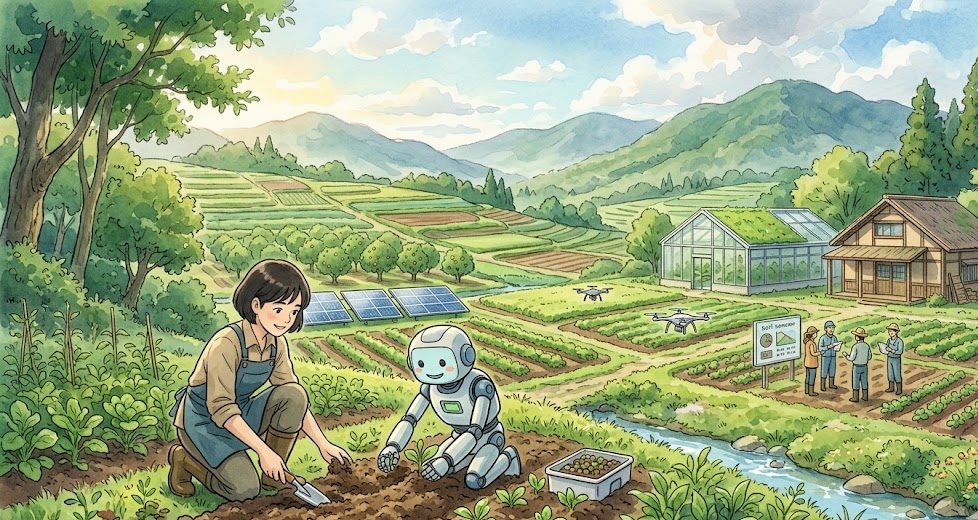
The global agricultural landscape is standing at a critical crossroads. As traditional industrial methods face the limits of chemical dependency and soil depletion, a new movement is emerging—one that combines AgriTech & Innovation with deep-rooted biological wisdom. For the modern farmer and the digital entrepreneur, the goal is no longer just about volume; it is about “Smart Farming” that ensures long-term profitability and ecological health.
The Foundation: Climate-Resilient Soil Management
Healthy crops begin with the ground they grow in. Moving away from a “control” mindset toward a “collaborative” one is essential for mastering the invisible biological processes that dictate crop success.
- Healing the Soil Naturally: The true engine of any farm is the soil microbiome. Focusing on “Natural Soil Healing” restores nutrient cycles that have been depleted by years of synthetic fertilizer use.
- Microbial Synergy: Understanding soil science helps foster the beneficial bacteria and fungi that naturally feed and protect crops.
- Carbon Sequestration: Healthy soil management doesn’t just improve yields; it helps combat climate change by trapping carbon in the ground.
- Climate Adaptation: Implementing advanced “Climate & Soil Management” allows farmers to prepare for and adapt to unpredictable weather patterns.
Smart Farming: The Role of AgriTech
Innovation is the backbone of modern sustainability. Integrating AI and Smart Technology allows for a level of precision that was previously impossible.
- Precision Agriculture: Using AI to analyze data helps in applying water, fertilizers, and pesticides only where and when they are needed.
- Water Saving Farming: Techniques such as drip irrigation or rainwater harvesting ensure every drop is utilized effectively. This is vital for survival in drought-prone areas.
- Smart Planning: Before planting a single seed, successful modern farming requires a strategic “Blueprint” that integrates innovation with traditional wisdom.
- Real-Time Monitoring: Sensors and data analytics can monitor moisture levels and nutrient requirements in real-time, reducing waste.
Diversification and High-Value Growth
The digital revolution encourages the diversification of the farm into a “Farming Innovation Hub”. This approach creates multiple revenue streams while improving the farm’s overall health.
1. High-Value Cash Crops
To increase revenue, many are turning to “High-Value Cash Crops”. Growing “Exotic Vegetable Farming” or “Herbal & Medicinal Plants” can offer significantly higher profit margins compared to traditional grains.
- Mushroom Farming: This requires minimal land and can be a highly profitable “Sustainable Farming” venture.
- Hydroponics: A soil-less method that allows for “Smart Crop Farming” in controlled environments, ensuring year-round production.
2. Forgotten and Micro Farming
- Forgotten Crops: Incorporating “Forgotten Crops Farming” adds genetic diversity to your land. These resilient species often require fewer inputs and provide unique nutritional benefits.
- Micro Farming: Even on a small scale, “Micro Farming” allows for intense productivity by utilizing vertical space and high-density planting techniques.
Natural Protection: Safeguarding Your Investment
Protecting your crops doesn’t have to mean drenching them in pesticides. “Natural Protection” involves creating a balanced environment where pests are managed by biological competitors.
- Integrated Pest Management (IPM): This involves using predatory insects and trap crops to keep pest populations below the threshold of economic damage.
- Effective Weed Control: Instead of harsh chemicals, “Weed Control” can be achieved through mulching, cover cropping, and manual techniques that keep the soil covered and protected.
- Seasonal Mastery: Success requires a “Year-Round Strategy,” rotating crops according to the season to maintain soil fertility.
Building the Farming Innovation Hub
For the digital entrepreneur, farming is no longer just about the field; it is about the “Farming Innovation Hub”. This involves creating a “Digital Wealth Blueprint” around agricultural knowledge.
- Integrated Systems: Combining a “Livestock & Dairy Hub” with “Poultry Farming” creates a closed-loop nutrient system where manure fuels “Natural Soil Healing”.
- Aqua Integration: “Fish & Aqua Farming” can be integrated into “Sustainable Farming” loops to provide nutrient-rich water for crops.
- Animal Health: Maintaining high standards of “Animal Health” ensures that livestock side-businesses contribute effectively to the overall “Sustainable Business” model.
Conclusion: The Future of the Green Revolution
Transforming your harvest is a journey of continuous learning and adaptation. By blending AgriTech & Innovation with Natural Soil Healing and practical tips, you create an agricultural system that is both profitable and permanent.
Whether you are managing a large-scale operation or a “Micro Farming” project, the goal is to produce “High-Value” results while respecting the “Natural Protection” of our planet. Embrace the smart farming revolution today to secure a harvest that is as sustainable as it is bountiful.