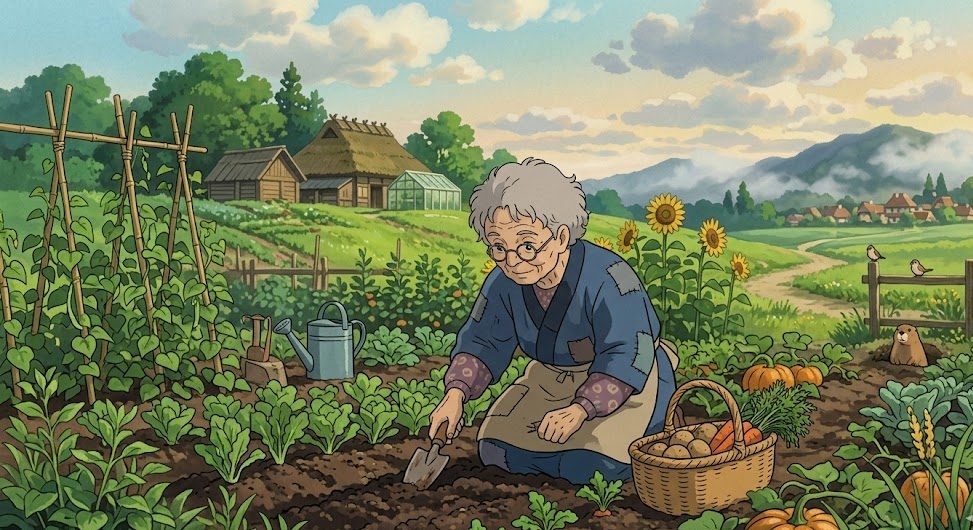
The dream of a bountiful harvest begins long before the first seed hits the dirt. For the modern, eco-conscious farmer, success isn’t just measured by the weight of the yield, but by the health of the ecosystem left behind. We are entering an era where “extractive” farming is being replaced by regenerative stewardship.
Welcome to The Harvest Handbook. This guide is designed to bridge the gap between traditional wisdom and modern ecological science, ensuring your farm or garden thrives for generations to come.
1. The Foundation: Strategic Soil Management
In eco-conscious farming, we don’t feed the plant; we feed the soil, and the soil feeds the plant. Soil is not just “dirt”—it is a living, breathing biological engine.
A. The Living Web: Microbiology Over Chemistry
Traditional farming often relies on synthetic NPK (Nitrogen, Phosphorus, Potassium) fertilizers. While these provide a quick boost, they can kill the beneficial fungi and bacteria that create natural fertility.
- Mycorrhizal Fungi: These “underground internet” strands attach to plant roots, extending their reach to find water and nutrients in exchange for sugars.
- The No-Till Revolution: Every time you turn the soil, you disrupt these fungal networks and release stored carbon into the atmosphere. Eco-conscious growers are moving toward “no-dig” or “low-till” methods to keep the soil structure intact.
B. The Power of Cover Crops
Soil should never be naked. Exposed soil is prone to erosion, nutrient leaching, and “baking” under the sun.
- Green Manure: Planting clover, vetch, or rye during the off-season acts as a biological blanket.
- Nitrogen Fixation: Leguminous cover crops pull nitrogen from the air and “fix” it into the soil, providing free fertilizer for your next main crop.
C. Composting: The Gold Standard
Strategic soil management requires a closed-loop system. By composting farm waste, kitchen scraps, and livestock manure, you return vital organic matter to the earth. This improves CEC (Cation Exchange Capacity), which is fancy science-talk for the soil’s ability to hold onto nutrients.
2. Expert Crop Guides: Choosing What to Grow
An expert grower doesn’t just plant what they like; they plant what the land demands. Eco-conscious farming relies on Bio-Regionalism—choosing crops that are naturally suited to your local climate and soil type.
I. Heirloom vs. Hybrid
While hybrids offer consistency, Heirloom seeds are the backbone of biodiversity. They are open-pollinated, meaning you can save seeds year after year. This creates “landrace” varieties—crops that physically adapt to the specific pests and weather patterns of your specific farm over time.
II. Companion Planting Strategies
Nature never grows in a monoculture. Strategic crop placement can reduce the need for pesticides.
- The Three Sisters: The classic indigenous trio of Corn (the pole), Beans (the nitrogen-fixer), and Squash (the living mulch).
- Pest Repellents: Planting Marigolds or Alliums (onions/garlic) near tomatoes and peppers can naturally deter harmful nematodes and aphids.
3. Water Stewardship: Growing More with Less
Water is becoming the most precious resource in agriculture. Eco-conscious farming moves away from wasteful overhead sprinklers toward precision systems.
- Drip Irrigation: Delivering water directly to the root zone reduces evaporation by up to 80%.
- Swales and Berms: On larger plots, contouring the land allows you to “catch and sink” rainwater, recharging the groundwater rather than letting it run off and carry topsoil away.
- Mulching: A thick layer of straw, wood chips, or shredded leaves acts as a barrier, keeping the soil cool and moist even in peak summer heat.
4. Integrated Pest Management (IPM)
In a healthy ecosystem, a “pest” is just a sign of an imbalance. Instead of reaching for a chemical spray that kills both the “bad” bugs and the “good” pollinators, the Harvest Handbook suggests an IPM approach:
- Prevention: Healthy soil creates strong plants with thick cell walls that insects find harder to pierce.
- Observation: Spend time in the field. Catching a localized infestation early prevents a farm-wide disaster.
- Biological Controls: Creating habitats for predatory insects (like ladybugs and lacewings) and birds. A single owl can do more for rodent control than a dozen traps.
- Organic Intervention: If all else fails, use targeted, biodegradable options like Neem oil or insecticidal soaps.
5. The Business of Eco-Conscious Farming
For many, this is a livelihood. The good news? Consumers are increasingly willing to pay a premium for food grown with integrity.
- Transparency: Use your “strategic management” as a marketing tool. Show your customers your compost piles and your cover crops.
- CSA Models: Community Supported Agriculture (CSA) allows local buyers to subscribe to your harvest, providing the farmer with upfront capital and the consumer with the freshest possible produce.
- Adsense and Digital Growth: If you are blogging about your journey, focus on “Long-Tail Keywords” like “how to restore depleted clay soil” or “best heirloom tomatoes for drought resistance.” This brings targeted traffic from people looking for specific solutions.
6. Seasonal Checklist for Maximum Impact
| Season | Priority Task | Eco-Benefit |
|---|---|---|
| Spring | Soil Testing & Amendments | Ensures precise nutrient application (no runoff). |
| Summer | Mulching & Water Management | Protects soil microbiology from heat stress. |
| Autumn | Cover Cropping | Prevents winter erosion and sequesters carbon. |
| Winter | Tool Maintenance & Seed Planning | Reduces waste and prepares for a focused season. |
Export to Sheets
7. Conclusion: The Legacy of the Land
Strategic soil management isn’t a “one and done” task; it is a seasonal rhythm. When we treat the earth as a partner rather than a tool, the “Harvest” becomes more than just vegetables—it becomes a resilient ecosystem.
The Harvest Handbook isn’t just about growing food; it’s about growing a future. Whether you have a small backyard plot or a hundred-acre farm, remember: The greatest crop you will ever grow is the soil itself.
Expert Tip: Always start small. It is better to manage 100 square feet of “perfect” soil than an acre of neglected land. Focus on the biology, and the chemistry will follow!