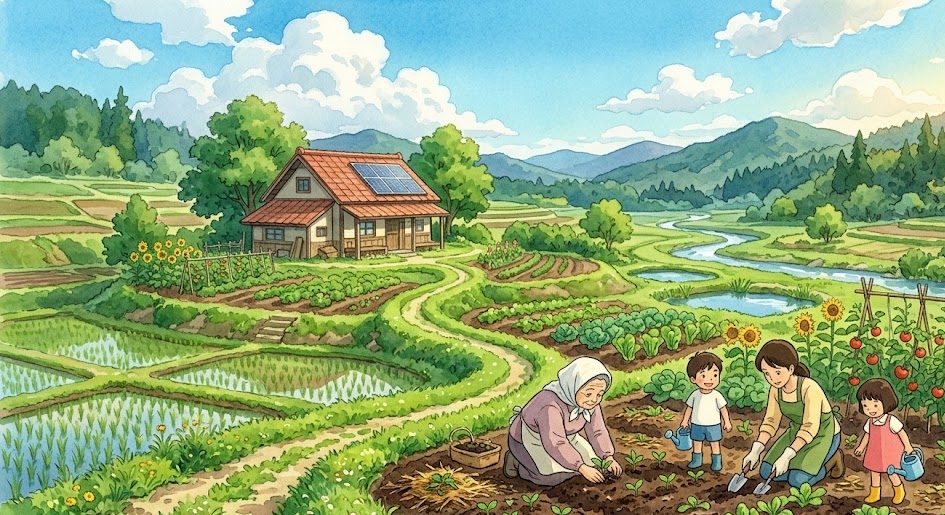
In an era of unpredictable weather patterns, shifting rainfall, and rising temperatures, the traditional “one-size-fits-all” approach to farming is becoming obsolete. To survive and thrive, modern growers must pivot toward Climate-Smart Soil Management.
Your soil is not just dirt; it is a living, breathing biological engine. When managed correctly, it acts as a buffer against drought, a sponge during floods, and a direct booster for your crop yields. This comprehensive guide explores how to align your crop selection with climate-resilient soil strategies to ensure a bountiful harvest, regardless of what the sky throws at you.
1. Understanding the Climate-Soil Connection
Climate change affects soil in two primary ways: erosion and degradation. Heavy, unseasonal rains wash away the fertile topsoil, while prolonged heatwaves bake out the moisture and kill beneficial microbial life.
Climate-smart management focuses on three pillars:
- Carbon Sequestration: Pulling carbon from the air into the soil to improve structure.
- Water Retention: Increasing the soil’s “organic sponge” to hold water longer.
- Biodiversity: Using a variety of crops to keep the soil ecosystem balanced.
2. The Foundation: Building Climate-Resilient Soil
Before you plant a single seed, you must prepare the “house” they will live in.
A. The Power of Minimum Tillage
Every time you turn the soil with a heavy plow, you release stored carbon and break up the fungal networks that help plants find water.
- Practical Tip: Transition to “No-Till” or “Strip-Till” methods. By leaving the soil undisturbed, you allow a natural crust and root structure to form, which prevents wind erosion during dry spells.
B. Organic Matter: The Natural Buffer
Increasing your Soil Organic Matter (SOM) by just 1% can allow the soil to hold an additional 20,000 gallons of water per acre.
- Composting: Apply well-rotted manure or green compost annually.
- Biochar: Consider adding biochar (highly porous charcoal), which stays in the soil for centuries, providing a permanent home for microbes and holding onto nutrients that would otherwise wash away.
3. Crop-Specific Guides for Climate Success
Different crops interact with the soil in unique ways. Choosing the right “team” for your specific climate is essential.
I. Cereals and Grains (The Heavy Hitters)
- Millets & Sorghum: These are the superstars of climate-smart farming. They require significantly less water than wheat or rice and can thrive in poor, sandy soils.
- Soil Strategy: Use wide spacing to reduce competition for moisture. Intercrop with legumes to provide a natural nitrogen boost.
II. Legumes (The Soil Builders)
- Chickpeas, Lentils, and Beans: These crops are “nitrogen fixers.” They have a symbiotic relationship with bacteria that pull nitrogen from the air and store it in the soil.
- Soil Strategy: Always include a legume in your crop rotation. This reduces your dependency on synthetic fertilizers, which are both expensive and have a high carbon footprint.
III. Root Vegetables (The Moisture Seekers)
- Sweet Potatoes & Cassava: These are highly resilient to heat.
- Soil Strategy: Use hilling (building mounds of earth) to improve drainage in areas prone to heavy rain, or heavy mulching in dry areas to keep the root zone cool.
4. Advanced Strategies: Cover Crops and Living Mulch
One of the biggest mistakes in farming is leaving the soil “naked” between seasons. Bare soil is vulnerable soil.
- Cover Cropping: Plant crops like clover, rye, or vetch during the off-season. They don’t exist for harvest; they exist to protect the soil from the sun and rain.
- Living Mulch: In orchards or vineyards, keep a low-growing clover or grass between rows. This prevents the soil temperature from spiking, which protects the delicate roots of your primary crop.
5. Water Management: Precision and Conservation
In a climate-smart system, every drop of water must be accounted for.
| Method | Benefit | Ideal For |
|---|---|---|
| Drip Irrigation | Reduces evaporation by 90% | Vegetables and Fruits |
| Rainwater Harvesting | Uses free, mineral-rich water | Small-scale farms |
| Laser Land Leveling | Ensures even water distribution | Large grain fields |
| Mulching | Keeps soil moist 3x longer | All crops |
Export to Sheets
6. Session Planning for a Changing Climate
Success in climate-smart farming requires a shift in how you plan your seasons. You can no longer rely solely on the dates your grandfather used.
- Monitor Soil Temperature: Seeds have a “sweet spot” for germination. Planting too early in a weirdly warm spring can lead to frost kill later.
- Staggered Planting: Plant your fields in 10-day intervals. If a freak storm hits during the flowering stage of one group, the other groups may still survive.
- Diversify Your Portfolio: Never plant 100% of one variety. Mix drought-resistant varieties with high-yield varieties to hedge your bets.
7. The Role of Microbes: The Invisible Workforce
Healthy soil is alive. A single teaspoon of healthy soil contains more microorganisms than there are people on Earth.
- Mycorrhizal Fungi: These fungi attach to plant roots, effectively extending the root system by up to 100 times. This allows the plant to reach deep-seated water that it couldn’t access alone.
- Avoid Over-Chemicalization: Excessive use of synthetic fungicides and high-salt fertilizers kills these helpful microbes, making your crops more dependent on chemicals—a vicious cycle that climate-smart farming seeks to break.
8. Conclusion: A Future-Proof Farm
Boosting your harvest in the 21st century isn’t just about the seeds you buy; it’s about the heritage of the soil you maintain. Climate-smart soil management turns your farm into a resilient fortress. By focusing on organic matter, reducing tillage, and selecting crops that naturally fit your environment, you aren’t just farming for this year—you are farming for the next generation.
The Golden Rule: Treat your soil like a bank account. You cannot keep withdrawing nutrients and water without making regular deposits of organic matter and care.
Summary Checklist for Climate-Smart Success:
- [ ] Cover the Soil: Never leave it bare.
- [ ] Rotate Regularly: Break pest cycles and balance nutrients.
- [ ] Test Your Soil: Know your pH and organic matter levels before the season starts.
- [ ] Incorporate Livestock: If possible, use rotational grazing to naturally fertilize and aerate the land.
- [ ] Keep a Journal: Document which varieties handled the heat or rain best.
Start small. Change one field, observe the results, and watch your harvest—and your soil—grow stronger every year.