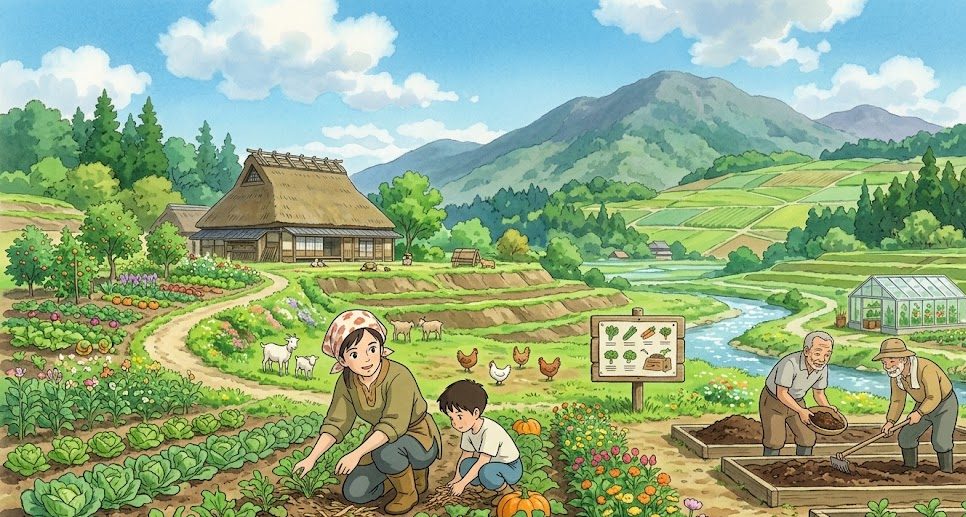
The global agricultural landscape is undergoing a massive shift. As climate patterns become more unpredictable, the focus of modern farming has moved from mere “production” to “resilience.” Mastering sustainable agriculture is no longer just an environmental choice; it is a financial necessity for long-term viability. By integrating expert crop guides with advanced soil management, farmers can build a “Nature-Focused” system that withstands environmental stress while maximizing output.
1. The Foundation: Climate & Soil Management
Sustainable farming starts beneath the surface. Healthy soil acts as a carbon sink and a water reservoir, providing the essential nutrients required for crop resilience.
A. Understanding Your Soil Profile
Soil is not just dirt; it is a living ecosystem. Effective management requires understanding:
- Soil Texture and Structure: Knowing the ratio of sand, silt, and clay helps determine water retention capabilities.
- pH Balancing: Most crops thrive in slightly acidic to neutral soil. Regularly testing and adjusting pH ensures nutrient availability.
- Microbial Activity: Beneficial fungi and bacteria break down organic matter, turning it into “plant-available” food.
B. Climate-Smart Strategies
Climate management in agriculture involves adapting to local weather patterns to minimize risk.
- Water Conservation: Implementing drip irrigation or rainwater harvesting ensures that every drop counts, especially during summer farming sessions.
- Temperature Regulation: Using mulch or cover crops helps keep the soil cool during extreme heat and warm during unexpected cold snaps.
2. Expert Crop Guides: Choosing the Right Varieties
Not all crops are created equal. Mastering agriculture involves selecting varieties that are best suited for your specific climate and soil type.
A. High-Value Cash Crops
To ensure profitability, farmers should look into “High-Value Cash Crops” that have strong market demand. These may include:
- Exotic Vegetables: Demand for kale, broccoli, and colored bell peppers is rising globally.
- Medicinal & Herbal Plants: Plants like Aloe Vera, Ginseng, and various herbs are high-margin products that require specific, nature-focused care.
B. The “Forgotten Crops” Strategy
There is significant value in reviving “Forgotten Crops”—traditional varieties that are often more resilient to local pests and droughts than modern hybrids. These crops often require fewer chemical inputs and contribute to greater biodiversity.
3. Nature-Focused Pest and Weed Control
A sustainable farm works with nature, not against it. Traditional chemical-heavy approaches often lead to “soil fatigue” and chemical resistance in pests.
- Natural Protection Methods: Utilizing neem oil, garlic sprays, or “Dashparni Ark” can control pests without killing beneficial insects.
- Integrated Weed Management: Instead of heavy herbicides, use crop rotation and cover crops to naturally suppress weed growth.
- Biological Control: Protecting “friend insects” like ladybugs and dragonflies provides a natural defense system against harmful larvae.
4. Integrated Farming: The Circular Economy
One of the most effective “Farming Innovations” is the Integrated Farming System (IFS). This model creates a loop where the waste of one component becomes the resource for another.
- Fish & Aqua Farming: Integrating ponds with crop fields allows for nutrient-rich water to be used for irrigation.
- Livestock & Dairy Hub: Manure from cattle or goats provides high-quality organic fertilizer for the fields, reducing the need for synthetic inputs.
- Beekeeping: Placing hives near crops ensures better pollination rates, which can increase yields by 20% to 30%.
5. Implementing a Session Plan for Success
To master these strategies, a farmer must operate with the precision of a project manager. A dedicated Session Plan ensures that no critical task is missed.
- Preparation Session: Soil testing, cleaning irrigation channels, and procuring high-quality seeds.
- Planting Session: Timing the sowing based on climate forecasts and using “Bijamrit” for seed treatment.
- Maintenance Session: Monitoring soil moisture, applying organic liquid fertilizers (like Jivamrit), and identifying early signs of pests.
- Harvest and Post-Harvest Session: Proper storage to prevent spoilage and preparing the soil for the next cycle.
Conclusion: The Path to Agricultural Mastery
Sustainable agriculture is a journey of continuous learning. By mastering Soil Management, following Expert Crop Guides, and adopting a Nature-Focused mindset, you can build a farm that is not only profitable but also resilient for decades to come. The future belongs to the “Smart Farmer” who treats the land as a legacy rather than just a commodity.