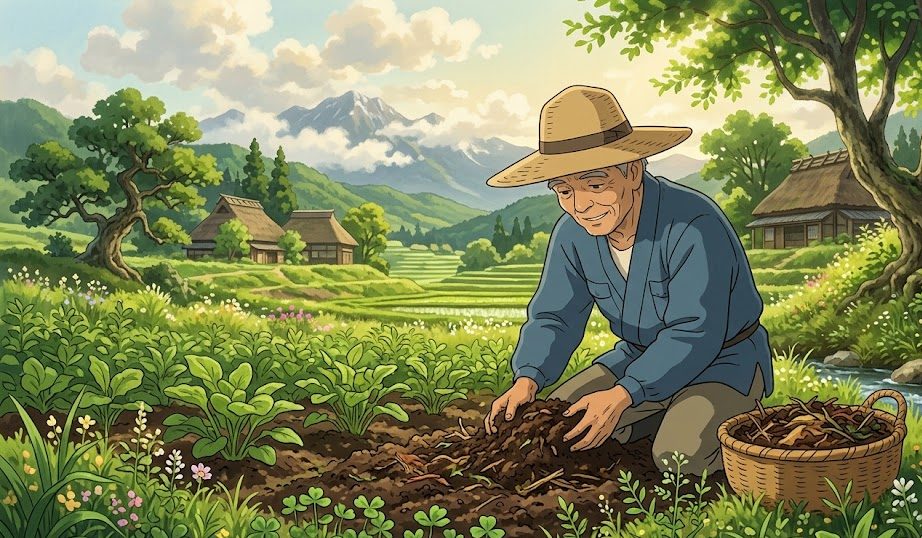
Healthy soil is the foundation of productive agriculture. No matter how advanced farming technology becomes, successful crop production still depends heavily on soil quality. Fertile soil provides plants with essential nutrients, supports root development, improves water retention, and creates an environment where crops can thrive. However, continuous cultivation, erosion, excessive chemical use, and poor land management can gradually reduce soil fertility over time.
Fortunately, farmers can restore and improve soil health naturally without relying entirely on synthetic fertilizers. Natural soil enrichment methods not only improve crop productivity but also contribute to long-term sustainability and environmental protection. By adopting these practices, farmers can build healthier soils that continue producing strong harvests year after year.
Why Soil Fertility Matters
Soil serves as more than just a growing medium. It functions as a living ecosystem that supports countless microorganisms, insects, fungi, and beneficial bacteria.
Healthy soil helps:
- Supply essential plant nutrients
- Improve root growth
- Increase water-holding capacity
- Enhance crop resistance to stress
- Support beneficial soil organisms
- Reduce erosion risks
- Improve overall farm productivity
When soil fertility declines, crop yields often decrease while production costs increase. Maintaining fertile soil is therefore one of the most important responsibilities of every farmer.
Understanding Soil Nutrients
Plants require a variety of nutrients for proper growth and development.
The primary nutrients include:
Nitrogen (N)
Nitrogen supports:
- Leaf development
- Plant growth
- Green coloration
Phosphorus (P)
Phosphorus promotes:
- Root development
- Flowering
- Fruit production
Potassium (K)
Potassium helps with:
- Disease resistance
- Water regulation
- Overall plant strength
In addition to these major nutrients, crops also require secondary and micronutrients such as calcium, magnesium, sulfur, zinc, iron, and boron.
Natural soil enrichment practices help replenish these nutrients while improving soil structure.
1. Apply Organic Compost
Compost is one of the most effective natural soil amendments available to farmers.
Compost is produced from decomposed organic materials such as:
- Crop residues
- Dry leaves
- Vegetable waste
- Animal manure
- Grass clippings
Benefits of compost include:
- Improved soil structure
- Enhanced nutrient availability
- Better moisture retention
- Increased microbial activity
- Reduced dependence on synthetic fertilizers
Regular compost application gradually improves both soil fertility and crop performance.
2. Use Farmyard Manure
Farmyard manure remains one of the oldest and most valuable soil enrichment resources.
Common manure sources include:
- Cattle
- Goats
- Sheep
- Poultry
Properly decomposed manure provides:
- Organic matter
- Essential nutrients
- Improved soil aeration
- Increased biological activity
Well-aged manure should always be used to prevent nutrient imbalances and potential plant damage.
3. Grow Cover Crops
Cover crops protect and enrich soil during periods when commercial crops are not being grown.
Popular cover crops include:
- Clover
- Rye
- Oats
- Vetch
- Mustard
Cover crops provide numerous benefits:
- Reduce soil erosion
- Suppress weeds
- Improve soil structure
- Add organic matter
- Enhance nutrient cycling
Many cover crops also help fix atmospheric nitrogen naturally.
4. Practice Crop Rotation
Planting the same crop repeatedly can deplete specific nutrients and encourage pest problems.
Crop rotation helps:
- Maintain nutrient balance
- Reduce disease pressure
- Improve soil fertility
- Increase biological diversity
For example:
- Follow cereal crops with legumes.
- Alternate root crops with leafy vegetables.
- Rotate heavy feeders with nitrogen-fixing plants.
A well-designed crop rotation system contributes significantly to long-term soil health.
5. Incorporate Green Manure Crops
Green manure involves growing specific plants and incorporating them back into the soil before maturity.
Common green manure crops include:
- Sunn hemp
- Cowpea
- Alfalfa
- Clover
- Sesbania
Benefits include:
- Increased organic matter
- Enhanced soil fertility
- Improved soil structure
- Better moisture retention
Green manure acts as a natural fertilizer while supporting beneficial soil organisms.
6. Retain Crop Residues
Many farmers remove or burn crop residues after harvest, but these materials can provide valuable benefits when returned to the soil.
Residue retention helps:
- Add organic matter
- Reduce erosion
- Improve moisture conservation
- Support microbial activity
Leaving plant residues on the field also protects the soil surface from extreme temperatures and heavy rainfall.
7. Use Mulching Techniques
Mulching involves covering soil with organic materials.
Common mulch materials include:
- Straw
- Dry grass
- Leaves
- Crop residues
- Compost
Mulching offers several advantages:
- Conserves soil moisture
- Suppresses weeds
- Improves soil structure
- Moderates soil temperature
- Gradually adds nutrients
As organic mulch decomposes, it contributes valuable organic matter to the soil.
8. Encourage Beneficial Soil Microorganisms
Healthy soils contain millions of microorganisms that play critical roles in nutrient cycling and plant health.
Beneficial organisms include:
- Bacteria
- Fungi
- Actinomycetes
- Earthworms
Farmers can support these organisms by:
- Minimizing excessive chemical use
- Adding organic matter
- Maintaining proper moisture levels
- Reducing soil disturbance
Active microbial populations improve nutrient availability and overall soil productivity.
9. Prevent Soil Erosion
Soil erosion removes valuable topsoil that contains essential nutrients and organic matter.
Effective erosion control methods include:
- Contour farming
- Terracing
- Cover cropping
- Windbreaks
- Conservation tillage
Protecting topsoil helps preserve fertility and maintain long-term agricultural productivity.
10. Reduce Excessive Tillage
Frequent and aggressive tillage can damage soil structure and disrupt beneficial soil organisms.
Conservation tillage practices help:
- Preserve soil moisture
- Reduce erosion
- Improve organic matter retention
- Support microbial activity
Reducing unnecessary soil disturbance contributes to healthier and more resilient soils.
11. Integrate Livestock and Crop Production
Integrated farming systems create natural nutrient cycles.
Livestock contribute:
- Organic manure
- Improved nutrient recycling
- Enhanced farm sustainability
Crop residues can feed livestock, while manure can enrich crop fields, creating a mutually beneficial system.
12. Conduct Regular Soil Testing
Natural soil enrichment works best when farmers understand their soil’s condition.
Soil testing helps identify:
- Nutrient deficiencies
- pH imbalances
- Organic matter levels
- Fertility requirements
Accurate information allows farmers to choose the most effective enrichment practices for their specific fields.
Building a Long-Term Soil Improvement Strategy
Sustainable soil management requires consistent effort rather than short-term solutions.
An effective soil improvement plan may include:
- Annual compost applications
- Regular cover cropping
- Crop rotation systems
- Mulching practices
- Erosion prevention measures
- Organic matter additions
- Periodic soil testing
Combining these methods creates stronger, healthier soils capable of supporting productive agriculture for many years.
Conclusion
Natural soil enrichment is one of the most important investments a farmer can make. Healthy soil not only increases crop yields but also improves water efficiency, reduces production costs, and supports long-term sustainability. Through practices such as composting, crop rotation, cover cropping, mulching, manure application, and erosion control, farmers can build fertile soils without excessive dependence on synthetic fertilizers.
As global agriculture faces increasing environmental and economic challenges, maintaining healthy soil will remain essential for ensuring reliable food production and farm profitability. Farmers who prioritize natural soil enrichment today are building the foundation for stronger harvests and sustainable success in the future.