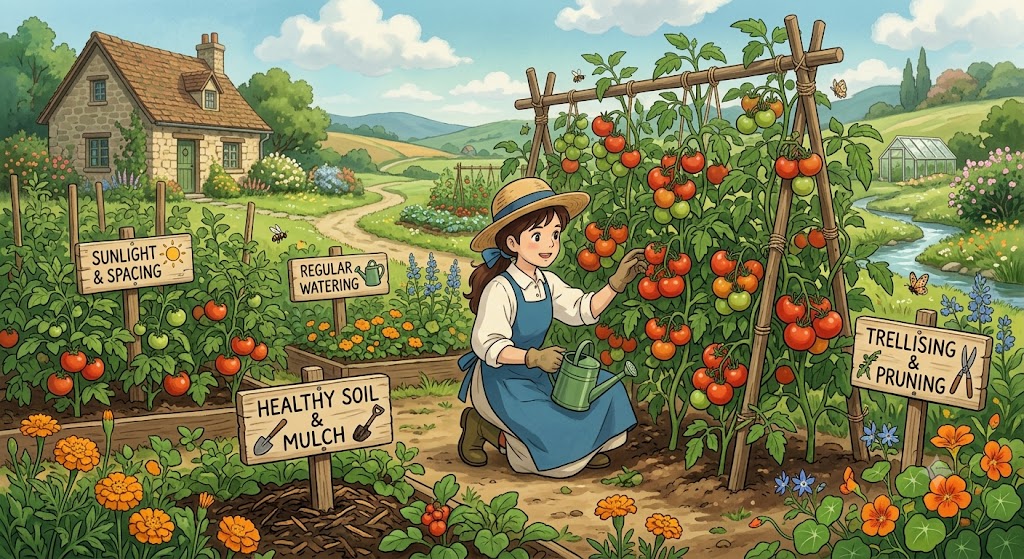
Tomatoes are among the most widely grown and economically important vegetable crops in the world. They are valued for their versatility, nutritional benefits, and strong market demand. Whether grown in home gardens, small farms, or large commercial operations, tomatoes can provide excellent returns when managed properly.
However, achieving high yields and producing quality fruits requires more than simply planting seeds. Successful tomato production depends on proper variety selection, soil preparation, irrigation management, pest control, and consistent crop care throughout the growing season.
By following proven cultivation practices, farmers and gardeners can maximize productivity while improving fruit quality and profitability.
Why Tomatoes Are a Valuable Crop
Tomatoes are popular in both fresh and processed markets.
They offer several advantages:
- Strong consumer demand
- High market value
- Multiple harvest opportunities
- Adaptability to different climates
- Nutritional benefits
- Potential for profitable commercial production
Because tomatoes are widely consumed worldwide, they remain one of the most reliable vegetable crops for farmers.
Selecting the Right Tomato Variety
Choosing the correct variety is one of the most important decisions for successful tomato production.
Common categories include:
Determinate Varieties
These plants:
- Grow to a fixed size
- Produce fruit over a shorter period
- Are suitable for processing and bulk harvesting
Examples include:
- Roma
- Celebrity
- Heinz varieties
Indeterminate Varieties
These plants:
- Continue growing throughout the season
- Produce fruit for an extended period
- Require staking or support
Examples include:
- Beefsteak
- Cherry tomatoes
- Brandywine
Farmers should select varieties that match local climate conditions, market demand, and production goals.
Site Selection and Climate Requirements
Tomatoes perform best under warm growing conditions.
Ideal conditions include:
- Full sunlight
- Good air circulation
- Well-drained soil
- Temperatures between 20°C and 30°C
Tomatoes require at least six to eight hours of direct sunlight daily for optimal growth and fruit development.
Avoid low-lying areas where water may accumulate after rainfall.
Soil Preparation
Healthy soil is critical for strong tomato growth.
Tomatoes prefer:
- Fertile soil
- Good drainage
- Moderate moisture retention
- Soil pH between 6.0 and 6.8
Before planting:
- Remove weeds and debris
- Loosen compacted soil
- Add compost or organic matter
- Incorporate well-rotted manure
Improving soil structure before planting helps establish healthy root systems and supports vigorous plant growth.
Starting Healthy Seedlings
Strong seedlings often lead to stronger harvests.
When raising seedlings:
- Use quality seeds
- Maintain proper moisture
- Provide adequate sunlight
- Ensure good air circulation
- Protect from extreme temperatures
Seedlings are typically ready for transplanting when they develop four to six true leaves.
Healthy transplants establish more quickly and experience less stress after planting.
Proper Plant Spacing
Correct spacing improves airflow, reduces disease risk, and allows plants to access sufficient nutrients.
General recommendations include:
- 45–60 cm between plants
- 75–120 cm between rows
Proper spacing also makes field operations such as watering, pruning, and harvesting easier.
Overcrowded plants often produce lower yields and experience more disease problems.
Efficient Water Management
Consistent moisture is essential for tomato production.
Irregular watering can lead to:
- Blossom end rot
- Fruit cracking
- Reduced yields
- Poor fruit quality
Best irrigation practices include:
- Water deeply rather than frequently
- Irrigate early in the morning
- Avoid wetting foliage unnecessarily
- Use drip irrigation when possible
Drip irrigation improves water efficiency and helps reduce disease development.
Mulching for Better Growth
Mulching provides multiple benefits for tomato crops.
Suitable mulch materials include:
- Straw
- Dry grass
- Leaves
- Compost
- Organic residues
Benefits include:
- Reduced weed growth
- Improved moisture retention
- Better soil temperature regulation
- Reduced soil erosion
Mulch also helps keep developing fruits clean and healthy.
Nutrient Management
Tomatoes require balanced nutrition throughout the growing season.
Key nutrients include:
Nitrogen
Supports:
- Leaf growth
- Plant vigor
Phosphorus
Promotes:
- Root development
- Flower formation
Potassium
Improves:
- Fruit quality
- Disease resistance
- Plant strength
Organic nutrient sources include:
- Compost
- Farmyard manure
- Vermicompost
- Organic fertilizers
Regular soil testing helps ensure proper nutrient management.
Staking and Plant Support
Supporting tomato plants improves both yield and fruit quality.
Benefits include:
- Better air circulation
- Reduced disease risk
- Cleaner fruits
- Easier harvesting
Common support methods include:
- Wooden stakes
- Trellises
- Tomato cages
- Wire systems
Indeterminate varieties especially benefit from proper support structures.
Pruning and Plant Maintenance
Pruning helps direct plant energy toward fruit production.
Benefits include:
- Improved airflow
- Better sunlight penetration
- Reduced disease incidence
- Enhanced fruit development
Remove damaged leaves and unnecessary suckers when appropriate.
However, excessive pruning should be avoided because healthy foliage contributes to photosynthesis and fruit growth.
Managing Common Tomato Pests
Several pests can affect tomato production.
Common examples include:
- Aphids
- Whiteflies
- Fruit borers
- Spider mites
- Thrips
Effective management strategies include:
- Regular crop monitoring
- Crop rotation
- Beneficial insects
- Physical barriers
- Organic pest control products
Early detection often prevents severe infestations.
Preventing Tomato Diseases
Disease management is essential for maintaining productivity.
Common tomato diseases include:
- Early blight
- Late blight
- Fusarium wilt
- Bacterial wilt
- Powdery mildew
Preventive measures include:
- Using disease-resistant varieties
- Practicing crop rotation
- Maintaining field sanitation
- Avoiding excessive moisture
- Ensuring proper plant spacing
Prevention is usually more effective and economical than treatment.
Flowering and Fruit Development
Tomato plants begin producing flowers several weeks after establishment.
To encourage fruit set:
- Maintain consistent watering
- Avoid excessive nitrogen application
- Support pollinator activity
- Reduce plant stress
Healthy plants typically produce larger numbers of marketable fruits.
Harvesting at the Right Time
Proper harvesting improves fruit quality and market value.
Harvest tomatoes when they:
- Reach mature size
- Develop full color
- Show firmness appropriate for the market
Harvesting frequency may vary depending on variety and environmental conditions.
Careful handling during harvest helps prevent bruising and quality loss.
Post-Harvest Handling
Proper post-harvest management protects product quality.
Recommended practices include:
- Sorting damaged fruits
- Cleaning produce carefully
- Using proper packaging
- Storing at suitable temperatures
- Transporting carefully
Good post-harvest handling increases shelf life and improves market returns.
Building a High-Yield Tomato Production System
Successful tomato growers often combine several best practices:
- Select quality varieties.
- Prepare fertile soil.
- Use healthy seedlings.
- Maintain proper spacing.
- Irrigate efficiently.
- Provide balanced nutrition.
- Control pests and diseases early.
- Support plants properly.
- Harvest carefully.
- Maintain detailed production records.
These practices work together to maximize productivity and profitability.
Conclusion
Growing tomatoes successfully requires attention to every stage of production, from variety selection and soil preparation to irrigation, pest management, and harvesting. By following proven cultivation techniques and maintaining healthy growing conditions, farmers can significantly increase yields while producing high-quality fruits that meet market demands.
Tomatoes remain one of the most rewarding crops in agriculture, and with proper management, growers can enjoy consistent harvests, improved profitability, and long-term production success season after season.