➡️ INTRODUCTION
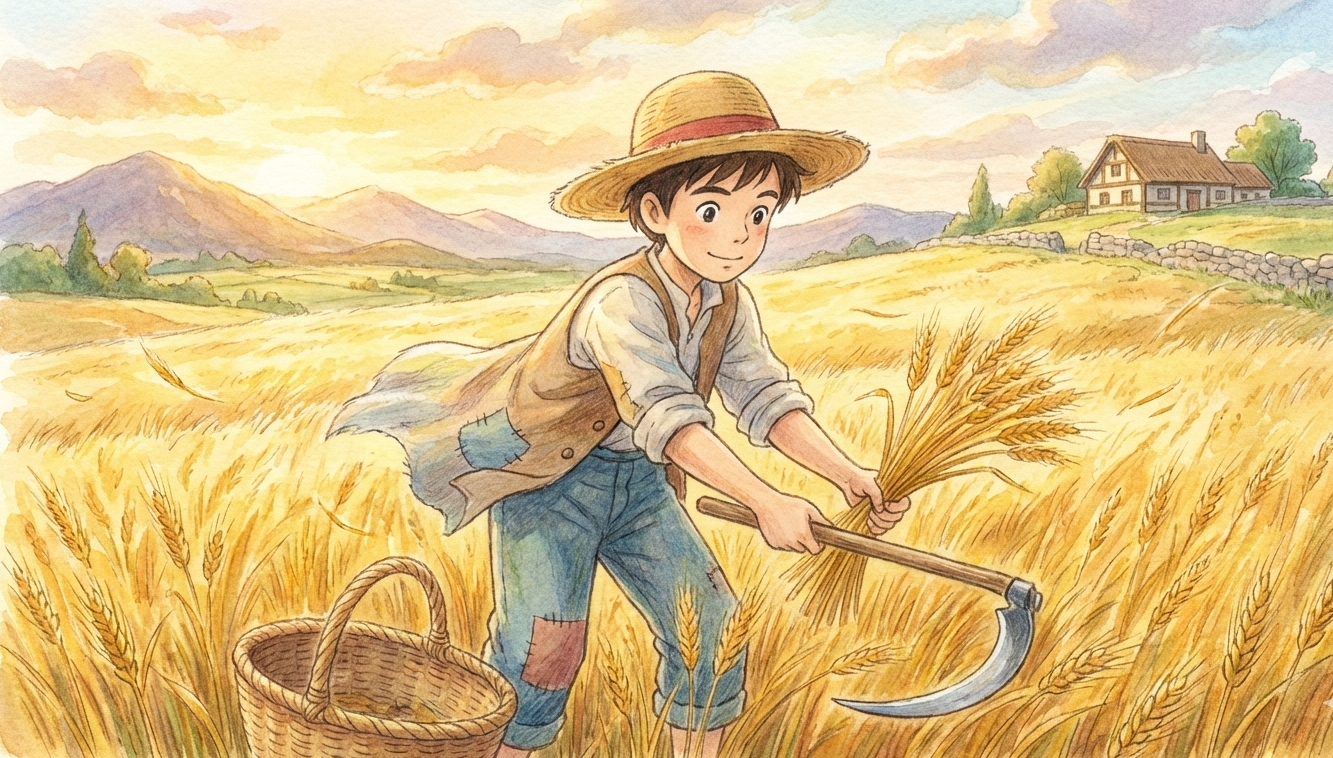
→ Wheat is one of the world’s most essential staple crops, forming the basis of bread, pasta, and countless other foods. Growing wheat successfully requires understanding climate, soil, irrigation, and crop management practices. By learning effective wheat cultivation techniques, farmers and home growers can maximize yields, reduce losses, and ensure high-quality grain suitable for local or international markets. Proper wheat cultivation not only improves food security but also enhances profitability for farmers. This guide provides practical, step-by-step advice for growing wheat across diverse climates, offering tips on soil preparation, planting, maintenance, and harvesting to achieve consistent results around the world.
➡️ Key Points / Benefits
→ Ensures higher yields through proper soil preparation and crop management.
→ Reduces losses due to pests, diseases, or adverse weather conditions.
→ Enhances grain quality for consumption or commercial sale.
→ Optimizes water and nutrient use, improving sustainability.
→ Provides guidance for both small-scale and large-scale wheat farming.
→ Supports global food security by promoting reliable wheat production.
🔵 1️⃣ → Choosing the Right Wheat Variety
Selecting the right wheat variety is the first step to successful cultivation. Different varieties are suited for specific climates, soil types, and growing seasons.
Practical guidance:
- Consider climate: winter wheat thrives in colder regions, while spring wheat is better for moderate climates.
- Check disease resistance: choose varieties resistant to common local pests and diseases.
- Evaluate yield potential: select high-yielding varieties that match your market needs.
Tips for growers:
- Purchase certified seeds from reliable suppliers.
- Conduct a small trial before planting on large fields to test adaptability.
- Rotate wheat varieties periodically to reduce soil depletion and pest buildup.
By choosing the right variety, growers set the foundation for healthy crops and successful harvests.
🔵 2️⃣ → Soil Preparation and Fertility
Healthy soil is crucial for wheat growth. Wheat performs best in fertile, well-drained loamy soils with a slightly acidic to neutral pH.
Step-by-step guidance:
- Test soil pH and nutrient levels before planting.
- Apply organic matter such as compost or manure to improve structure.
- Plow the field to break compacted layers and enhance root penetration.
- Level the soil to ensure even irrigation and germination.
Benefits:
- Improves nutrient availability for wheat plants.
- Enhances water retention while preventing waterlogging.
- Supports strong root systems for better growth and resistance to stress.
Proper soil management ensures wheat plants receive the nutrients and conditions they need to thrive.
🔵 3️⃣ → Sowing Techniques and Timing
The timing and method of sowing significantly impact wheat yields. Sowing too early or too late can reduce germination and crop health.
Actionable tips:
- Plant winter wheat before the onset of cold months, typically in autumn.
- Plant spring wheat in early spring, after the last frost.
- Use recommended seed rates and spacing for uniform growth.
- Consider direct seeding or drilling for optimal seed placement and reduced wastage.
Mistakes to avoid:
- Overcrowding seeds, which leads to poor air circulation and disease.
- Sowing in wet or poorly drained soil, which can cause seed rot.
Following precise sowing techniques ensures strong germination, uniform growth, and maximum yield.
🔵 4️⃣ → Irrigation and Crop Maintenance
Proper water management and ongoing care are critical for healthy wheat development.
Practical guidance:
- Monitor soil moisture regularly to prevent drought stress or waterlogging.
- Use efficient irrigation methods such as drip or sprinkler systems when possible.
- Apply balanced fertilizers at critical growth stages: nitrogen for leaf growth, phosphorus for root development, and potassium for grain formation.
- Regularly inspect plants for weeds, pests, and diseases and take timely action.
Examples:
- Remove weeds early to prevent competition for nutrients.
- Use biological or environmentally safe pesticides to protect grain quality.
Consistent care ensures the wheat crop grows robustly and produces high-quality grain.
🔵 5️⃣ → Harvesting and Post-Harvest Management
Harvesting at the right time preserves yield quality and reduces losses.
Step-by-step instructions:
- Harvest when grains are hard and moisture content is around 14–16%.
- Use threshing methods suitable for the scale of production.
- Dry grains properly to prevent mold and storage losses.
- Store wheat in clean, dry containers or silos to maintain quality.
Dos & Don’ts:
- Do handle grains gently to reduce breakage.
- Don’t delay harvesting, as overripe crops may shatter or attract pests.
- Monitor stored wheat periodically to ensure no moisture or insect damage occurs.
Efficient harvesting and storage maximize the profitability and longevity of wheat crops.
➡️ CONCLUSION
→ Growing wheat successfully around the world requires careful planning, proper variety selection, soil preparation, timely sowing, consistent maintenance, and efficient harvesting. By following these practices, growers can achieve high yields, improve grain quality, and minimize losses from pests or environmental stress. Wheat farming supports food security and can provide a reliable source of income for small-scale and commercial farmers alike. With attention to soil health, irrigation, and timely interventions, wheat can thrive in diverse climates, making it a versatile and sustainable crop for global cultivation.