➡️ INTRODUCTION
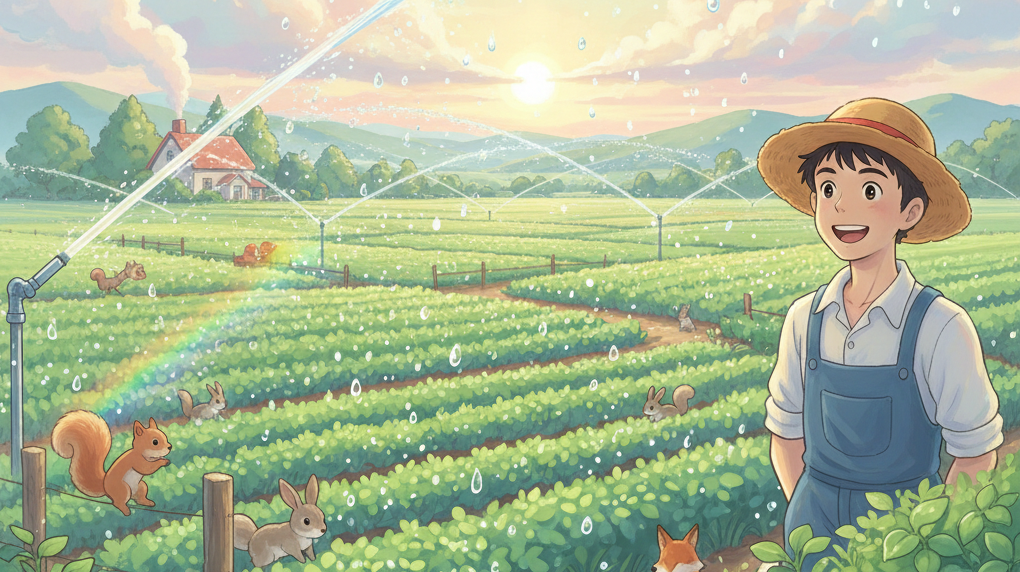
→ Water is one of the most valuable resources in agriculture, and managing it wisely is essential for global food production. Automated irrigation systems are transforming farms by delivering the right amount of water at the right time without constant manual effort. These systems use timers, sensors, weather data, and smart controllers to optimize watering schedules. For farmers around the world, this means healthier crops, reduced labor costs, and improved water efficiency. As climate patterns become less predictable, automated irrigation offers a practical solution to conserve resources while maintaining strong yields. By adopting these systems, farmers can improve productivity, reduce waste, and support sustainable agricultural practices.
➡️ Key Points / Benefits
→ Improves water efficiency by delivering precise amounts based on crop needs.
→ Reduces labor and manual monitoring, saving time and operational costs.
→ Promotes healthier crop growth through consistent watering schedules.
→ Minimizes water waste and runoff, protecting soil and the environment.
→ Enhances long-term farm sustainability and resource management.
🔵 1️⃣ → Understanding Automated Irrigation Systems
Automated irrigation systems use technology to control watering without daily manual intervention. These systems include timers, moisture sensors, drip lines, sprinklers, and smart controllers that adjust watering schedules based on real-time data.
Common types include:
- Drip irrigation systems
- Sprinkler systems
- Pivot irrigation systems
- Subsurface irrigation systems
To get started:
- Evaluate your crop type and field size.
- Identify your water source and pressure capacity.
- Choose a system that fits local climate conditions.
For example, drip irrigation works well for vegetables and orchards because it delivers water directly to plant roots. Understanding the available options helps farmers choose the most suitable system for their needs and budget.
🔵 2️⃣ → Soil Moisture Sensors and Smart Controllers
Soil moisture sensors are essential components of automated irrigation. These sensors measure the moisture level in the soil and send data to a controller that decides when watering is necessary.
Steps to implement effectively:
- Install sensors at different soil depths.
- Connect sensors to a smart irrigation controller.
- Set moisture thresholds for automatic activation.
- Regularly monitor data reports.
Smart controllers can also adjust irrigation based on weather forecasts, preventing unnecessary watering during rainy periods. This prevents overwatering, which can lead to root diseases and nutrient leaching. A common mistake is installing sensors only in one location; multiple placements ensure accurate readings across the field.
🔵 3️⃣ → Drip Irrigation for Efficient Water Use
Drip irrigation is one of the most water-efficient automated systems. It delivers water slowly and directly to the root zone, reducing evaporation and runoff.
Advantages include:
- Precise water delivery
- Reduced weed growth
- Lower water consumption
- Improved nutrient absorption
Actionable tips:
- Use quality drip lines with proper spacing.
- Check emitters regularly for blockages.
- Flush the system periodically to prevent clogging.
Avoid using untreated water without filtration, as sediment can block the system. Drip irrigation is especially beneficial in dry regions where water conservation is critical. With proper maintenance, it can significantly improve crop yields while saving water.
🔵 4️⃣ → Weather-Based Irrigation Scheduling
Modern automated irrigation systems can integrate weather data to optimize watering schedules. These systems use temperature, humidity, rainfall, and wind information to determine irrigation needs.
Practical guidance:
- Connect irrigation controllers to local weather stations.
- Adjust watering schedules seasonally.
- Monitor rainfall data to prevent over-irrigation.
- Review system reports monthly.
For example, during cooler seasons, crops require less water. Weather-based adjustments prevent unnecessary irrigation, saving water and energy. Farmers should regularly review system settings to ensure accuracy. Ignoring seasonal changes may lead to wasted resources and reduced crop performance.
🔵 5️⃣ → Maintenance, Monitoring, and Best Practices
Even automated systems require regular maintenance to operate efficiently. Monitoring ensures long-term reliability and consistent performance.
Step-by-step maintenance plan:
- Inspect pipes and connectors for leaks.
- Clean filters and emitters regularly.
- Check sensor calibration every season.
- Test controller settings monthly.
Do’s:
- Keep records of water usage.
- Train farm workers to understand system basics.
- Upgrade outdated components when necessary.
Don’ts:
- Ignore small leaks or pressure issues.
- Skip seasonal inspections.
- Rely solely on automation without occasional manual checks.
Consistent maintenance prevents system failures and ensures crops receive accurate watering. A well-maintained automated irrigation system can last many years and provide significant returns on investment.
➡️ CONCLUSION
→ Automated irrigation systems offer a practical and efficient solution for modern global farms. By combining soil moisture sensors, drip irrigation, smart controllers, and weather-based scheduling, farmers can reduce water waste while improving crop health and yields. These systems save labor, lower operational costs, and promote sustainable farming practices. Success depends on proper installation, regular monitoring, and ongoing maintenance. By carefully selecting and managing automated irrigation tools, farmers can protect valuable water resources and strengthen long-term productivity, ensuring a stable and sustainable agricultural future.