➡️ INTRODUCTION
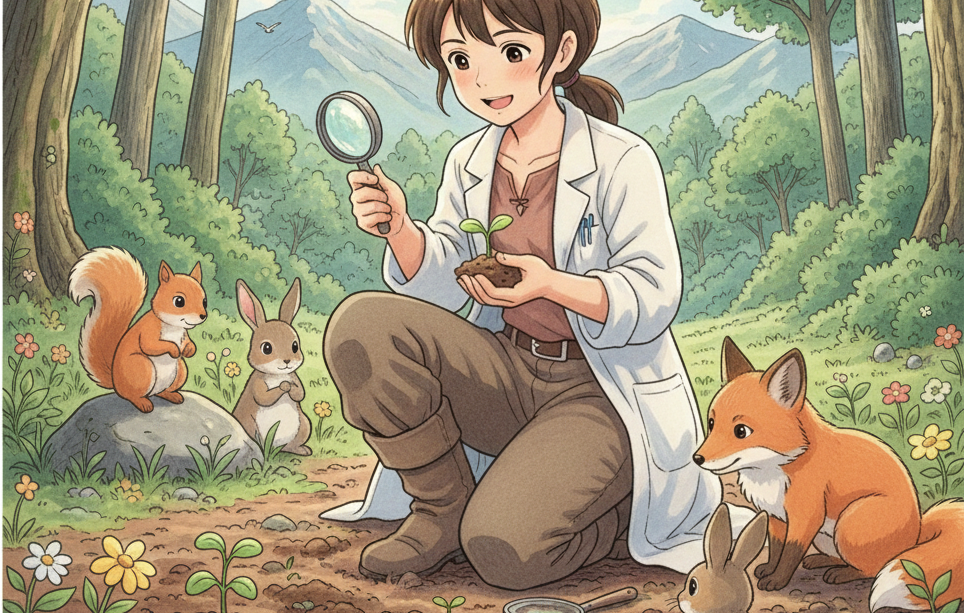
→ Soil health is the foundation of successful farming across the world. Healthy soil supports strong root systems, improves water retention, and provides essential nutrients for crops. However, many farmers face challenges such as soil erosion, nutrient depletion, compaction, and declining organic matter. Effective soil health management techniques help restore balance, increase productivity, and reduce dependency on costly chemical inputs. By adopting practical strategies such as crop rotation, organic amendments, and careful monitoring, farmers can improve long-term soil fertility and resilience. Healthy soils not only increase yields but also protect the environment and support sustainable agriculture for future generations.
➡️ Key Points / Benefits
→ Improves crop yield and quality through balanced nutrition.
→ Enhances soil structure and water-holding capacity.
→ Reduces erosion and land degradation.
→ Lowers production costs over time.
→ Supports biodiversity and beneficial soil organisms.
🔵 1️⃣ → Building Organic Matter for Stronger Soil
Organic matter plays a critical role in improving soil fertility and structure. It increases water retention, enhances nutrient availability, and promotes beneficial microbial activity.
Practical steps to build organic matter:
- Add compost or well-decomposed manure regularly.
- Leave crop residues in the field instead of burning them.
- Plant cover crops during fallow periods.
- Incorporate green manure crops into the soil before flowering.
For example, adding compost each season improves soil texture and encourages earthworms. Cover crops like legumes increase nitrogen levels naturally. Farmers should avoid removing all plant residues, as this reduces organic content. Gradually increasing organic matter improves soil resilience, especially during drought or heavy rainfall.
🔵 2️⃣ → Practicing Crop Rotation and Diversification
Continuous planting of the same crop can deplete specific nutrients and increase pest pressure. Crop rotation balances nutrient use and interrupts pest and disease cycles.
Effective rotation practices include:
- Rotating between cereals, legumes, and root crops.
- Including nitrogen-fixing crops such as beans or peas.
- Planning rotations based on soil nutrient needs.
- Avoiding back-to-back planting of crops from the same family.
For instance, planting legumes after grain crops helps restore nitrogen levels. Diversification reduces the risk of total crop failure. Farmers should map their fields and create a rotation plan for at least two to three years. Proper rotation supports long-term soil productivity and reduces dependency on chemical fertilizers.
🔵 3️⃣ → Preventing Soil Erosion and Compaction
Soil erosion removes valuable topsoil, while compaction limits root growth and water infiltration. Managing these risks is essential for maintaining soil health.
Actionable strategies:
- Use contour farming or terracing on sloped land.
- Maintain ground cover with mulch or cover crops.
- Limit heavy machinery use, especially when soil is wet.
- Establish windbreaks in areas prone to strong winds.
Common mistakes to avoid:
- Overgrazing livestock on fragile land.
- Leaving soil bare between growing seasons.
- Ignoring drainage issues.
Protecting topsoil preserves nutrients and improves water absorption. Over time, reduced erosion leads to more stable yields and healthier farmland.
🔵 4️⃣ → Balanced Nutrient Management
Proper nutrient management ensures crops receive the right balance of essential elements without over-application. Excess fertilizers can harm soil organisms and increase costs.
Practical guidance:
- Conduct soil testing at least once a year.
- Apply fertilizers based on soil test results.
- Use integrated nutrient management by combining organic and inorganic sources.
- Apply nutrients at the correct time during crop growth stages.
For example, applying nitrogen in smaller, split doses reduces nutrient loss. Organic fertilizers improve long-term soil fertility, while mineral fertilizers address immediate deficiencies. Farmers should avoid guessing nutrient needs and instead rely on data. Balanced nutrition strengthens plant health and improves yield quality.
🔵 5️⃣ → Monitoring Soil Health and Continuous Improvement
Soil health management is an ongoing process that requires observation and evaluation. Regular monitoring helps identify issues early and adjust practices accordingly.
Step-by-step monitoring approach:
- Keep records of crop yields and soil treatments.
- Observe soil color, texture, and structure.
- Check for earthworm activity as a sign of biological health.
- Test soil pH to maintain suitable conditions for crops.
- Review results annually and adjust management strategies.
Dos:
- Maintain consistent record-keeping.
- Seek agricultural extension advice when needed.
- Invest in soil improvement gradually.
Don’ts:
- Do not ignore declining yields.
- Avoid sudden, drastic changes without assessment.
Continuous monitoring ensures soil remains productive and sustainable over the long term.
➡️ CONCLUSION
→ Effective soil health management techniques are essential for global farmers seeking long-term productivity and sustainability. By building organic matter, practicing crop rotation, preventing erosion, managing nutrients carefully, and monitoring soil conditions, farmers can strengthen their land and improve yields. Healthy soil supports resilient crops, reduces costs, and protects natural resources. These practical methods can be adapted to different climates and farming systems worldwide. With careful planning and consistent effort, farmers can maintain fertile soil that benefits both present and future generations while ensuring stable food production.