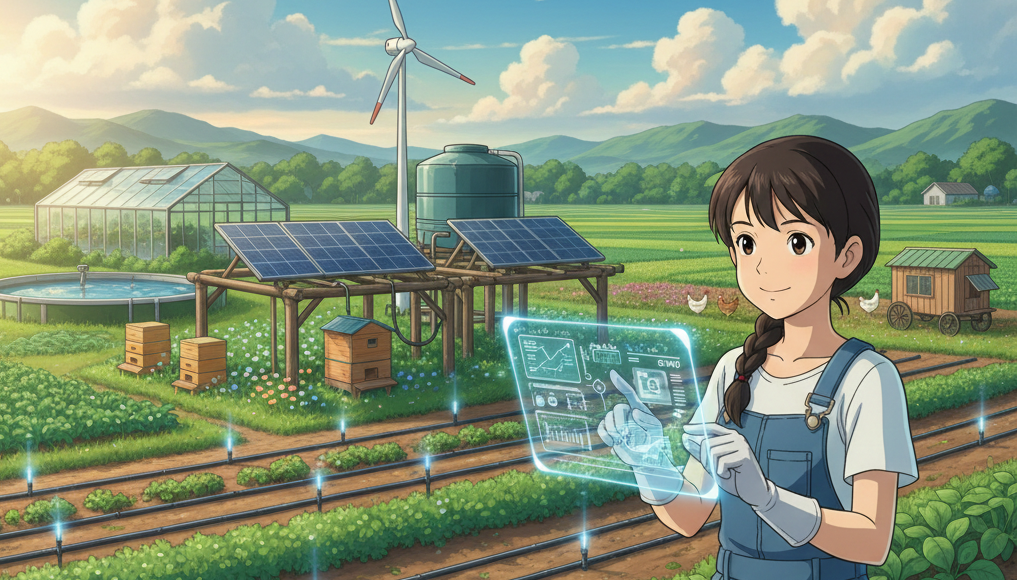
Introduction
Did you know that nearly one-third of the world’s soil is already degraded due to intensive farming practices? As global food demand continues to rise, farmers face a difficult challenge: producing more food while protecting the environment. Climate change, unpredictable rainfall, declining soil fertility, and rising input costs have made traditional farming methods increasingly unsustainable.
Many farmers struggle with decreasing crop yields despite using more fertilizers and water every year. This creates a cycle of higher expenses and lower long-term productivity. The real question is — how can agriculture remain profitable without damaging the land that supports it?
The answer lies in smart techniques for sustainable farming. Sustainable farming focuses on improving productivity while maintaining soil health, conserving natural resources, and adapting to climate conditions. Rather than relying on short-term solutions, it promotes long-term ecological balance and economic stability.
In this article, you will learn the core concepts behind sustainable farming, its major benefits, practical steps to implement it, and future trends shaping modern agriculture. Whether you are a beginner farmer, agriculture student, or sustainability enthusiast, this guide will help you understand how smarter farming practices can create a better future for both farmers and the planet.
💡 Understanding Sustainable Farming: Key Concepts and Importance
Sustainable farming refers to agricultural practices that meet current food needs without compromising the ability of future generations to grow food. It combines environmental care, economic profitability, and social responsibility into one balanced system.
Historically, farming relied heavily on natural cycles — crop rotation, organic manure, and seasonal adaptation. However, industrial agriculture introduced chemical-intensive methods that boosted short-term production but often harmed soil quality and biodiversity. Today, modern sustainable farming blends traditional wisdom with scientific innovation.
Think of soil like a bank account. If farmers continuously withdraw nutrients through crops without replenishing them naturally, the soil becomes “bankrupt.” Sustainable farming ensures nutrients are returned through composting, crop diversity, and natural soil regeneration.
Key concepts include:
- Soil health management
- Water conservation
- Climate-resilient crop planning
- Reduced chemical dependency
- Biodiversity protection
Modern agriculture increasingly depends on these practices because climate variability is making farming unpredictable. Sustainable methods help farms remain productive even during droughts, floods, or temperature changes.
Ultimately, sustainable farming is not just about environmental protection — it is about creating a resilient agricultural system capable of feeding a growing global population.
✨ Why It Matters: The Top Benefits of Sustainable Farming
Sustainable farming provides powerful advantages that go beyond environmental conservation. Its real-world impact can be seen in both farm profitability and ecosystem health.
Key Benefits:
- Improved Soil Fertility
Practices like composting and crop rotation increase organic matter, leading to healthier and more productive soil over time. - Lower Production Costs
Reduced dependence on chemical fertilizers and pesticides helps farmers save money in the long run. - Climate Resilience
Diverse crops and better soil structure help farms withstand extreme weather conditions such as drought or heavy rainfall. - Better Water Efficiency
Techniques like drip irrigation and mulching reduce water wastage while improving plant growth. - Higher Market Value
Sustainably grown produce often attracts premium pricing due to increasing consumer demand for eco-friendly food.
Pro Fact: Studies show that farms using regenerative soil practices can improve soil organic carbon levels significantly, helping both crop yield stability and carbon sequestration.
By focusing on long-term sustainability, farmers build systems that remain productive year after year instead of relying on temporary yield boosts.
🌱 How to Get Started: A Practical Guide for Beginners
Adopting sustainable farming does not require a complete transformation overnight. Farmers can start with small, practical changes that gradually improve results.
Step-by-Step Implementation Plan
Step 1: Test and Understand Your Soil
Conduct soil testing to identify nutrient levels, pH balance, and organic content. This helps avoid unnecessary fertilizer use.
Step 2: Practice Crop Rotation
Avoid planting the same crop repeatedly. Rotating crops improves soil nutrients and reduces pest buildup naturally.
Step 3: Use Organic Matter and Compost
Add compost, green manure, or farm waste to enrich soil structure and microbial activity.
Step 4: Implement Efficient Water Management
Adopt drip irrigation, rainwater harvesting, or mulching to conserve water while maintaining moisture.
Step 5: Encourage Biodiversity
Plant cover crops, hedgerows, or mixed crops to attract beneficial insects and reduce pest problems naturally.
Beginner’s Tip:
Start with one field or small section instead of changing the entire farm at once. This allows you to observe results and adjust techniques safely.
Tools and Resources Needed:
- Soil testing kits
- Composting systems
- Drip irrigation equipment
- Weather monitoring apps
- Organic pest control solutions
Consistency is key — sustainable farming delivers stronger results over time rather than instant changes.
🚀 Overcoming Challenges and Looking into the Future
Despite its benefits, sustainable farming comes with challenges. One common issue is the initial transition period, where yields may temporarily stabilize as soil ecosystems recover. Farmers may also lack awareness or training in sustainable methods.
Solutions include agricultural education programs, government support schemes, and farmer cooperatives that share knowledge and resources. Access to technology is also improving adoption rates.
Looking ahead, agriculture is entering a new era driven by innovation. Emerging trends include:
- Precision agriculture using sensors and AI
- Climate-smart crop varieties
- Regenerative agriculture practices
- Carbon farming and sustainability incentives
These advancements will make sustainable farming more efficient, data-driven, and profitable in the coming years.
✅ Conclusion
Sustainable farming is no longer just an environmental movement — it is a practical necessity for modern agriculture. By improving soil health, conserving water, and adapting to climate challenges, farmers can create systems that remain productive for generations.
The core message is simple: healthy soil leads to healthy crops, healthy profits, and a healthy planet. Small changes today can produce lasting benefits tomorrow.
Call to Action: Start by evaluating one farming practice you currently use and replace it with a more sustainable alternative this season. Every step toward sustainability contributes to a stronger agricultural future.
With smart techniques and consistent effort, farming can become both profitable and environmentally responsible — ensuring food security and ecological balance for years to come.
❓ Frequently Asked Questions (FAQs)
1. What is sustainable farming in simple terms?
Sustainable farming is an agricultural approach that protects the environment while maintaining long-term productivity and profitability.
2. Does sustainable farming reduce crop yield?
Initially, yields may remain stable, but over time improved soil health often leads to better and more consistent production.
3. Is sustainable farming expensive to start?
Many practices, such as crop rotation and composting, are low-cost and actually reduce expenses in the long run.
4. Can small farmers adopt sustainable farming methods?
Yes, sustainable techniques are highly adaptable and can be implemented on small farms using simple tools and gradual changes.