Introduction
Agriculture has always been the backbone of human civilization, providing food, raw materials, and employment to billions of people worldwide. However, traditional farming methods often face challenges such as climate change, water scarcity, labor shortages, rising production costs, and unpredictable weather patterns. To overcome these issues, the agricultural sector is rapidly embracing technology. This transformation is known as AgriTech Innovation.
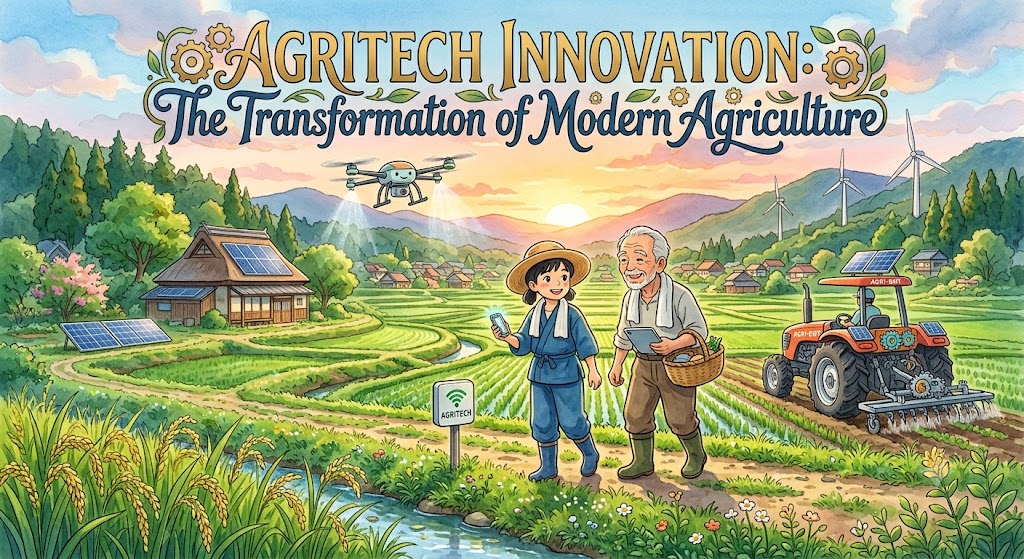
AgriTech, short for Agricultural Technology, combines modern technologies such as Artificial Intelligence (AI), the Internet of Things (IoT), drones, robotics, big data, blockchain, and precision farming to improve agricultural productivity and sustainability. These innovations help farmers make better decisions, reduce waste, increase crop yields, and protect the environment. As the global population continues to grow, AgriTech is becoming essential for ensuring food security and creating a more sustainable future.
What is AgriTech?
AgriTech refers to the use of advanced technology in farming and agriculture. It includes digital tools, automated machinery, smart sensors, software platforms, and data-driven solutions that help farmers improve efficiency throughout the entire farming process.
Unlike traditional farming, AgriTech focuses on using accurate information and automation to maximize productivity while minimizing costs and environmental impact.
Some common AgriTech solutions include:
- Smart irrigation systems
- Agricultural drones
- AI-powered crop monitoring
- GPS-guided tractors
- Soil moisture sensors
- Farm management software
- Precision farming technologies
Why AgriTech Innovation Matters
Agriculture is facing several major challenges worldwide:
- Climate change affecting crop production
- Growing global food demand
- Water shortages
- Increasing labor costs
- Pest and disease outbreaks
- Limited farmland availability
AgriTech innovations help solve these problems by making farming smarter, faster, and more efficient. Farmers can monitor crops in real time, optimize fertilizer usage, detect diseases early, and make informed decisions using accurate data.
Major Technologies Driving AgriTech Innovation
1. Artificial Intelligence (AI)
Artificial Intelligence helps farmers analyze huge amounts of agricultural data.
AI systems can:
- Predict weather conditions
- Detect plant diseases
- Recommend fertilizer usage
- Estimate crop yields
- Identify pest infestations
- Improve harvesting schedules
Machine learning models become more accurate over time, allowing farmers to make better farming decisions every season.
2. Internet of Things (IoT)
IoT devices connect farms through smart sensors that collect valuable information.
These sensors monitor:
- Soil moisture
- Temperature
- Humidity
- Water levels
- Livestock health
- Crop growth
The collected data is sent directly to smartphones or computers, enabling farmers to monitor their fields remotely.
3. Agricultural Drones
Drones have become an essential tool in modern agriculture.
They help farmers:
- Survey farmland quickly
- Monitor crop health
- Spray fertilizers
- Apply pesticides
- Detect irrigation issues
- Create detailed field maps
Drone technology saves both time and labor while improving accuracy.
4. Precision Farming
Precision farming uses GPS technology, satellite imagery, and digital mapping to manage crops more effectively.
Instead of treating an entire field the same way, farmers can apply water, fertilizers, and pesticides only where needed.
Benefits include:
- Lower production costs
- Reduced chemical usage
- Better crop quality
- Higher yields
- Environmental protection
5. Robotics and Automation
Agricultural robots perform repetitive farming tasks automatically.
Examples include:
- Automated harvesting
- Fruit picking robots
- Weed removal machines
- Autonomous tractors
- Milking robots
Automation reduces labor shortages and improves farming efficiency.
Smart Irrigation Systems
Water is one of agriculture’s most valuable resources.
Smart irrigation systems use:
- Soil moisture sensors
- Weather forecasts
- AI algorithms
These systems provide water only when crops actually need it.
Advantages include:
- Water conservation
- Lower electricity costs
- Healthier crops
- Improved crop productivity
Big Data in Agriculture
Modern farms generate enormous amounts of information every day.
Big Data analyzes information such as:
- Weather history
- Soil quality
- Crop performance
- Market prices
- Pest outbreaks
- Satellite images
Farmers can use this information to make informed decisions that increase profits while reducing risks.
Blockchain in Agriculture
Blockchain technology increases transparency throughout the food supply chain.
It allows consumers to trace food from the farm to the supermarket.
Benefits include:
- Better food safety
- Reduced fraud
- Improved product tracking
- Greater consumer trust
- Faster supply chain management
Benefits of AgriTech Innovation
Modern agricultural technology provides numerous benefits.
Increased Productivity
Technology helps farmers produce more food using fewer resources.
Better Resource Management
Smart farming reduces unnecessary use of water, fertilizers, and pesticides.
Cost Savings
Automation lowers labor expenses and improves operational efficiency.
Higher Crop Quality
Continuous monitoring helps farmers grow healthier crops with fewer defects.
Environmental Sustainability
AgriTech reduces pollution, conserves natural resources, and supports sustainable farming practices.
Improved Decision-Making
Real-time data enables farmers to make faster and more accurate decisions.
Challenges of AgriTech Adoption
Although AgriTech offers many advantages, farmers still face several challenges.
High Initial Investment
Advanced machinery and digital technologies can be expensive for small farmers.
Lack of Digital Skills
Some farmers need training to effectively use modern farming technologies.
Internet Connectivity
Remote rural areas often have limited internet access, affecting smart farming systems.
Data Security
Protecting agricultural data is becoming increasingly important as farms become more digital.
The Future of AgriTech
The future of agriculture will rely heavily on innovation and technology.
Emerging trends include:
- AI-powered autonomous farms
- Fully robotic harvesting
- Vertical farming
- Smart greenhouses
- Gene-editing technologies
- Climate-smart agriculture
- Renewable energy-powered farms
- Advanced satellite monitoring
As these technologies become more affordable, farmers of all sizes will benefit from improved efficiency and sustainability.
Tips for Farmers to Embrace AgriTech
Farmers looking to adopt modern technologies can start with simple steps:
- Use soil testing before planting.
- Install smart irrigation systems.
- Monitor weather forecasts using digital apps.
- Learn basic farm management software.
- Invest in precision farming tools.
- Attend agricultural technology workshops.
- Explore government subsidies for AgriTech equipment.
- Keep accurate digital farm records.
Even small improvements can significantly increase productivity over time.
Conclusion
AgriTech Innovation is transforming agriculture by combining technology with traditional farming knowledge. From Artificial Intelligence and drones to smart irrigation systems and precision farming, modern agricultural technologies are helping farmers produce more food while conserving valuable natural resources.
As the world’s population continues to grow and environmental challenges become more complex, AgriTech will play a critical role in ensuring global food security. Farmers who embrace innovation today will be better prepared for the challenges of tomorrow, creating a more productive, profitable, and sustainable agricultural future for generations to come.