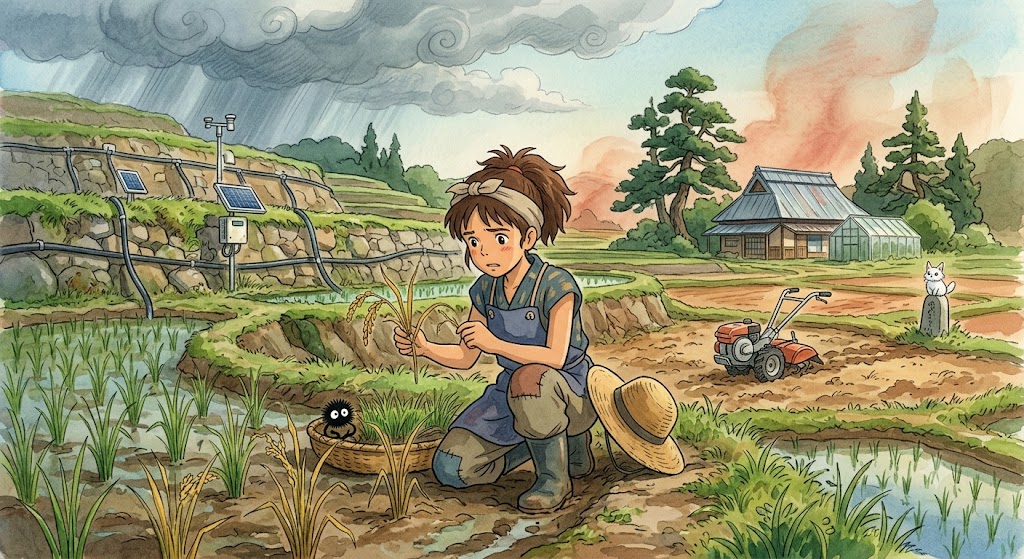
Agriculture has always depended on nature. Farmers plan their planting schedules around seasonal rainfall, temperature, and soil conditions. However, over the past few decades, these natural patterns have become increasingly unpredictable. Rising temperatures, irregular rainfall, prolonged droughts, severe floods, and the spread of new crop pests are changing the way food is produced around the world. Climate change is no longer a future concern—it is a reality that modern farmers face every growing season.
From small family farms to large commercial operations, every agricultural system is being affected in some way. While these challenges are significant, understanding their impact allows farmers to adopt better management practices and protect their livelihoods. This article explains how climate change is affecting modern agriculture and explores practical strategies that can help farmers build more resilient farming systems.
Understanding Climate Change
Climate change refers to long-term changes in global temperatures and weather patterns. Although climate naturally changes over time, human activities such as burning fossil fuels, deforestation, and industrial emissions have accelerated the increase in greenhouse gases. As a result, the Earth’s average temperature continues to rise, influencing rainfall patterns, growing seasons, and the frequency of extreme weather events.
For agriculture, these changes directly affect crop production, livestock health, soil quality, and water availability.
Rising Temperatures Reduce Crop Productivity
Higher temperatures are one of the most noticeable effects of climate change.
Most crops grow best within a specific temperature range. When temperatures remain too high for extended periods, plants experience heat stress, which reduces photosynthesis and slows growth.
Common effects include:
- Poor seed germination
- Reduced flowering
- Smaller fruits and grains
- Lower crop quality
- Shortened growing seasons
Vegetables, wheat, maize, and many fruit crops are particularly sensitive to prolonged heat waves.
Irregular Rainfall Creates Farming Challenges
Rainfall patterns have become less predictable in many farming regions.
Some areas receive heavy rainfall within a short period, causing floods, while others experience long dry spells that lead to drought.
Irregular rainfall can result in:
- Delayed planting
- Waterlogged fields
- Soil erosion
- Reduced soil moisture
- Crop failure during critical growth stages
Farmers who once relied on predictable rainy seasons now often need better irrigation planning and water storage systems.
Increased Water Scarcity
Water is one of agriculture’s most valuable resources.
Higher temperatures increase evaporation from both soil and water sources. Combined with lower rainfall in many regions, this creates serious irrigation challenges.
Water shortages may lead to:
- Reduced crop growth
- Lower yields
- Higher irrigation costs
- Increased competition for water resources
Efficient irrigation systems such as drip irrigation, mulching, and rainwater harvesting are becoming increasingly important.
More Pests and Plant Diseases
Climate change also affects insects, weeds, and plant diseases.
Warmer temperatures allow many pests to survive longer and spread into new regions. Milder winters may fail to reduce insect populations naturally, leading to greater pest pressure during the next growing season.
Farmers may notice:
- Larger aphid populations
- Increased caterpillar damage
- More fungal diseases
- Faster spread of invasive pests
- Higher crop losses
Integrated pest management, regular crop monitoring, and biological control methods can help reduce these risks.
Declining Soil Health
Healthy soil is essential for successful farming, but climate change places additional stress on this valuable resource.
Heavy rainfall can wash away nutrient-rich topsoil, while prolonged droughts reduce organic matter and biological activity.
Common soil problems include:
- Soil erosion
- Nutrient loss
- Reduced fertility
- Lower water-holding capacity
- Increased compaction
Improving soil with compost, cover crops, and organic matter helps restore soil structure and resilience.
Effects on Livestock
Climate change affects animals as well as crops.
High temperatures reduce feed intake, increase heat stress, and lower productivity.
Livestock may experience:
- Reduced milk production
- Slower weight gain
- Fertility problems
- Greater disease risk
- Heat-related stress
Providing shade, clean drinking water, proper ventilation, and balanced nutrition helps reduce these impacts.
Economic Impact on Farmers
Climate-related crop losses can significantly affect farm income.
Unexpected weather events often increase production costs through:
- Replanting damaged crops
- Higher irrigation expenses
- Increased pest management
- Reduced harvest quality
- Market price fluctuations
Small and medium farmers are especially vulnerable because they often have limited financial resources to recover from repeated losses.
Climate-Smart Farming Solutions
Although climate change presents major challenges, farmers can reduce risks by adopting climate-smart agricultural practices.
Effective strategies include:
Improve Soil Health
Adding compost, farmyard manure, and cover crops increases soil fertility and improves water retention.
Diversify Crops
Growing different crop varieties reduces the risk of total crop failure when weather conditions become unfavorable.
Use Efficient Irrigation
Drip irrigation and moisture monitoring reduce water waste while maintaining healthy plant growth.
Select Climate-Resilient Varieties
Many improved crop varieties are better able to tolerate drought, heat, and certain diseases.
Practice Crop Rotation
Crop rotation improves soil health, interrupts pest life cycles, and reduces disease pressure.
Monitor Weather Forecasts
Modern weather forecasting tools help farmers make better decisions about planting, irrigation, and harvesting.
Adopt Smart Farming Technologies
Soil sensors, GPS-guided equipment, drones, and digital farm management applications help farmers use resources more efficiently and respond quickly to changing conditions.
The Future of Agriculture
The future of farming will depend on adaptability.
As climate conditions continue to change, successful farmers will increasingly combine traditional agricultural knowledge with modern technology and sustainable farming practices. Precision agriculture, renewable energy, improved irrigation systems, and better soil management will play an important role in maintaining food production while protecting natural resources.
Farmers who invest in resilience today will be better prepared for tomorrow’s challenges.
Conclusion
Climate change is reshaping modern agriculture in ways that affect every stage of food production. Rising temperatures, unpredictable rainfall, water shortages, declining soil health, and increasing pest pressure are creating new challenges for farmers around the world. While these problems cannot be ignored, they can be managed through careful planning and sustainable farming practices.
Improving soil health, conserving water, diversifying crops, adopting climate-smart technologies, and monitoring weather conditions can help farmers reduce risks and maintain productive farms. Agriculture has always adapted to changing conditions, and with the right strategies, today’s farmers can continue producing healthy crops while protecting the environment for future generations.
Frequently Asked Questions
1. How does climate change affect agriculture?
It changes rainfall patterns, increases temperatures, reduces water availability, and creates more pest and disease problems, all of which can lower crop productivity.
2. Which crops are most affected by climate change?
Many crops, including wheat, rice, maize, fruits, and vegetables, are vulnerable to heat stress, drought, floods, and changing weather conditions.
3. What is climate-smart agriculture?
Climate-smart agriculture involves farming practices that improve productivity while helping farms adapt to changing climate conditions and reduce environmental impacts.
4. How can farmers protect their crops from climate change?
Farmers can improve soil health, use efficient irrigation systems, grow climate-resilient crop varieties, practice crop rotation, and monitor weather forecasts regularly.
5. Why is soil health important during climate change?
Healthy soil stores more water, supports stronger root systems, improves nutrient availability, and helps crops withstand drought and extreme weather more effectively.