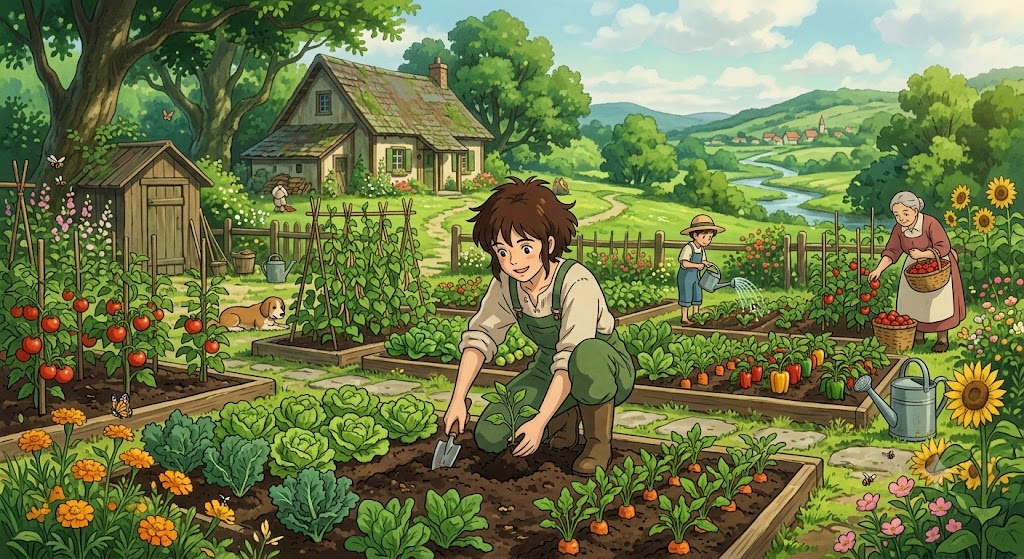
Vegetable farming is one of the most rewarding agricultural activities for beginners. It provides fresh produce for families, creates opportunities to earn a steady income, and allows farmers to make the best use of available land. However, successful vegetable farming is not simply about planting seeds. Healthy crops require careful planning, fertile soil, proper irrigation, timely pest management, and regular crop monitoring.
Many new farmers make avoidable mistakes, such as choosing unsuitable crops, overwatering plants, or ignoring soil health. By learning the basics and following proven farming practices, beginners can improve crop quality, increase yields, and reduce production costs. This guide covers the essential tips every beginner should know before starting a vegetable farm.
Why Vegetable Farming Is a Good Choice
Vegetables are in constant demand throughout the year, making them an attractive option for small and medium-sized farmers. Many vegetable crops mature quickly, allowing growers to harvest and sell produce several times a year.
Some benefits include:
- Quick returns compared to many field crops
- High market demand
- Suitable for small land areas
- Opportunities for year-round production
- Potential for higher profits with proper management
Success depends on choosing the right crops and managing them carefully from planting to harvest.
1. Choose the Right Location
The location of your vegetable farm plays a major role in crop performance.
A suitable site should have:
- At least 6–8 hours of sunlight daily
- Good drainage
- Easy access to water
- Fertile soil
- Protection from strong winds
Avoid areas where water collects after heavy rainfall, as waterlogging can damage plant roots.
2. Test and Improve Soil
Healthy soil is the foundation of productive vegetable farming.
Before planting, test the soil to understand its nutrient levels and pH. If soil testing is not available, observe previous crop performance and improve fertility by adding organic matter.
Good soil improvement methods include:
- Compost
- Farmyard manure
- Vermicompost
- Green manure
- Crop residue incorporation
Healthy soil encourages stronger root systems and higher yields.
3. Select Vegetables Suitable for Your Climate
Not every vegetable grows well in every region.
Choose crops based on:
- Local temperature
- Rainfall
- Growing season
- Market demand
- Water availability
Popular beginner-friendly vegetables include:
- Tomatoes
- Cucumbers
- Spinach
- Okra
- Beans
- Cabbage
- Carrots
- Peppers
Starting with a few reliable crops makes farm management easier.
4. Use High-Quality Seeds
Good seeds produce healthy plants.
Always purchase certified seeds from trusted suppliers to ensure:
- Better germination
- Uniform growth
- Disease resistance
- Higher productivity
Avoid planting old or damaged seeds with poor germination rates.
5. Plan Proper Plant Spacing
Crowded plants compete for sunlight, nutrients, and water.
Proper spacing provides:
- Better air circulation
- Reduced disease risk
- Stronger root development
- Easier field maintenance
- Higher-quality vegetables
Follow the recommended spacing for each vegetable variety.
6. Water Wisely
Vegetables require regular moisture, but excessive watering can be harmful.
Best irrigation practices include:
- Water early in the morning
- Irrigate according to crop needs
- Check soil moisture before watering
- Avoid standing water around roots
- Use drip irrigation if possible
Consistent moisture supports healthy growth and reduces plant stress.
7. Feed the Soil, Not Just the Plants
Balanced nutrition improves both plant health and soil quality.
Use:
- Compost
- Organic fertilizers
- Well-rotted manure
- Mulch to conserve moisture
Apply nutrients gradually rather than all at once to avoid waste and encourage steady growth.
8. Control Weeds Early
Weeds compete with vegetables for nutrients, water, and sunlight.
Effective weed management includes:
- Regular hand weeding
- Mulching
- Crop rotation
- Clean field borders
Removing weeds while they are small reduces labor and prevents future problems.
9. Monitor Pests and Diseases
Inspect your crops several times each week.
Watch for:
- Holes in leaves
- Yellowing foliage
- Wilting plants
- Insect eggs
- Fungal spots
Early detection allows you to solve problems before they spread across the entire field.
Natural options such as neem oil and encouraging beneficial insects can help reduce pest pressure.
10. Harvest at the Right Time
Harvesting vegetables at the proper stage improves taste, quality, and market value.
General tips include:
- Pick vegetables during the cool part of the day.
- Use clean harvesting tools.
- Handle produce carefully.
- Remove damaged vegetables separately.
- Store harvested vegetables in a cool, shaded place.
Proper harvesting also encourages continued production in many vegetable crops.
Essential Vegetable Farming Checklist
| Farming Stage | Main Activities |
|---|---|
| Planning | Select crops, prepare budget |
| Soil Preparation | Test soil, add compost |
| Planting | Sow quality seeds with proper spacing |
| Crop Care | Irrigation, fertilization, weed control |
| Crop Monitoring | Check pests and diseases regularly |
| Harvest | Pick vegetables at the right stage |
| Post-Harvest | Clean, grade, and store produce properly |
Common Mistakes Beginners Should Avoid
Avoid these common errors:
- Planting unsuitable vegetable varieties
- Ignoring soil preparation
- Overwatering crops
- Applying excessive fertilizer
- Delaying weed control
- Failing to inspect crops regularly
- Harvesting too early or too late
Learning from these mistakes helps improve future harvests.
Conclusion
Vegetable farming is an excellent opportunity for beginners who are willing to learn and manage their crops carefully. Success starts with healthy soil, quality seeds, proper irrigation, timely nutrition, and regular monitoring. Small improvements in daily farming practices often produce significant long-term results.
By following these essential tips, new farmers can build a productive vegetable farm that delivers healthy harvests, improves soil fertility, and creates sustainable income opportunities. With patience, consistent care, and good planning, vegetable farming can become both profitable and rewarding.
Frequently Asked Questions
1. Which vegetables are easiest for beginners to grow?
Tomatoes, cucumbers, spinach, beans, okra, peppers, and cabbage are among the easiest vegetables for beginners.
2. How often should vegetable crops be watered?
Watering depends on the crop, soil type, and weather. Check soil moisture regularly and avoid both overwatering and underwatering.
3. Why is compost important in vegetable farming?
Compost improves soil fertility, increases water retention, and supports beneficial microorganisms that help plants grow.
4. How can beginners reduce pest problems naturally?
Regular crop inspection, neem oil, crop rotation, healthy soil, and beneficial insects are effective natural pest management methods.
5. What is the biggest mistake new vegetable farmers make?
Poor soil preparation and inconsistent crop management are among the most common reasons for reduced yields.