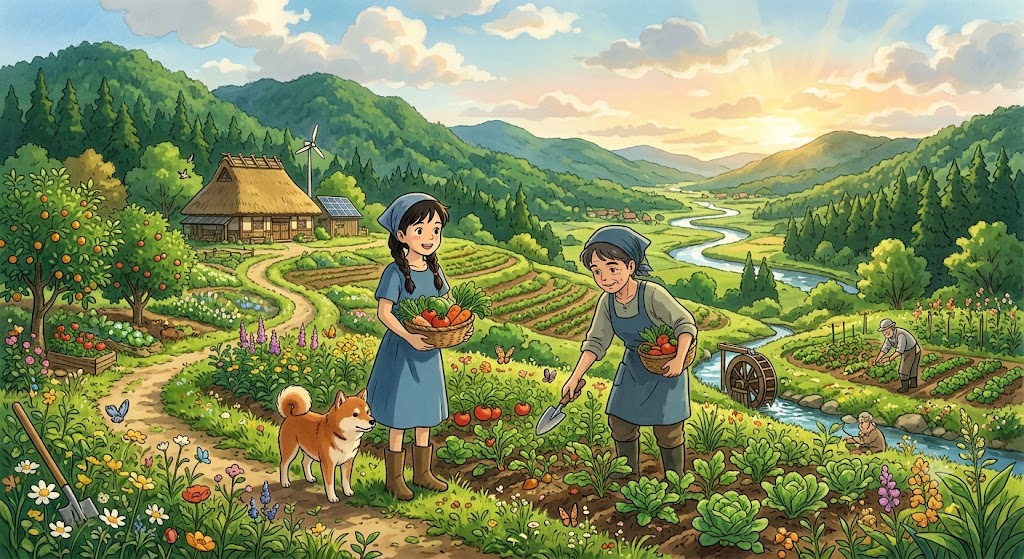
Agriculture is essential for feeding the world’s growing population, but it also has a significant impact on natural resources. Unsustainable farming practices such as excessive chemical use, over-irrigation, deforestation, and poor soil management can damage ecosystems, reduce biodiversity, and contribute to climate change. As environmental concerns continue to grow, sustainable farming has become one of the most effective approaches to producing food while protecting the planet.
Sustainable farming focuses on balancing productivity with environmental responsibility. It encourages farmers to use natural resources wisely, improve soil health, conserve water, reduce pollution, and maintain healthy ecosystems. Whether practiced on a small family farm or a large commercial operation, sustainable agriculture benefits both farmers and the environment.
This guide explains how sustainable farming protects natural resources and why it is becoming an important part of modern agriculture.
What Is Sustainable Farming?
Sustainable farming is an agricultural approach that produces crops and livestock while protecting the environment for future generations. Instead of relying heavily on practices that may harm the land, it promotes methods that improve soil fertility, conserve water, encourage biodiversity, and reduce pollution.
The main goals of sustainable farming are:
- Protect natural resources
- Maintain healthy soil
- Reduce environmental pollution
- Improve long-term farm productivity
- Support food security
- Preserve biodiversity
It is not about reducing production but about farming in a smarter and more responsible way.
Why Sustainable Farming Matters
Modern agriculture faces several environmental challenges, including soil degradation, water shortages, climate change, and habitat loss. Sustainable farming helps address these issues while ensuring that food production remains reliable.
Some key benefits include:
- Healthier ecosystems
- Better crop quality
- Reduced farming costs over time
- Stronger soil fertility
- Improved resilience against climate change
These advantages benefit farmers, consumers, and future generations alike.
1. Protects Soil Health
Healthy soil is one of agriculture’s most valuable resources.
Sustainable farming encourages practices such as:
- Compost application
- Crop rotation
- Cover cropping
- Reduced tillage
- Organic matter incorporation
These methods improve soil structure, increase beneficial microorganisms, reduce erosion, and enhance nutrient availability.
Healthy soil supports stronger plants and higher crop yields year after year.
2. Conserves Water Resources
Water conservation is becoming increasingly important as many farming regions experience drought and unpredictable rainfall.
Sustainable farming promotes:
- Drip irrigation
- Rainwater harvesting
- Mulching
- Soil moisture monitoring
- Efficient irrigation scheduling
These techniques reduce water waste while maintaining healthy crop growth.
3. Reduces Chemical Pollution
Excessive use of chemical fertilizers and pesticides can contaminate rivers, lakes, groundwater, and surrounding ecosystems.
Sustainable farming reduces pollution by encouraging:
- Organic fertilizers
- Integrated pest management
- Biological pest control
- Compost use
- Natural soil improvement
Reducing chemical dependence helps protect wildlife, beneficial insects, and human health.
4. Supports Biodiversity
Healthy farms contain more than crops—they also support birds, bees, butterflies, earthworms, and beneficial insects.
Sustainable farming encourages biodiversity through:
- Planting hedgerows
- Maintaining natural habitats
- Growing diverse crops
- Protecting pollinators
- Reducing unnecessary pesticide use
Greater biodiversity improves natural pest control and strengthens farm ecosystems.
5. Helps Fight Climate Change
Agriculture both influences and is affected by climate change.
Sustainable farming helps reduce greenhouse gas emissions by:
- Improving soil carbon storage
- Planting cover crops
- Reducing fuel use
- Increasing tree planting through agroforestry
- Using renewable energy where possible
Healthy soils also capture and store more carbon, helping reduce atmospheric carbon dioxide.
6. Prevents Soil Erosion
Wind and water erosion remove valuable topsoil that crops depend on.
Farmers can reduce erosion by:
- Keeping soil covered with mulch
- Planting cover crops
- Practicing contour farming
- Reducing unnecessary tillage
- Maintaining vegetation around fields
Protecting topsoil ensures long-term agricultural productivity.
7. Encourages Efficient Resource Use
Sustainable farming focuses on using available resources wisely rather than wasting them.
Examples include:
- Recycling crop residues
- Composting organic waste
- Efficient fertilizer application
- Energy-saving equipment
- Responsible water management
Efficient resource use lowers production costs and reduces environmental impact.
8. Improves Long-Term Farm Productivity
Unlike practices that provide only short-term gains, sustainable farming builds healthier soil and stronger farming systems over time.
Long-term benefits include:
- Consistent crop yields
- Improved soil fertility
- Better resistance to drought
- Lower input costs
- Healthier crops
Farmers who invest in sustainability often create more resilient agricultural businesses.
Sustainable Farming Practices at a Glance
| Practice | Environmental Benefit |
|---|---|
| Crop Rotation | Improves soil fertility and reduces pests |
| Compost Application | Increases organic matter |
| Drip Irrigation | Conserves water |
| Cover Crops | Prevents erosion |
| Integrated Pest Management | Reduces chemical use |
| Agroforestry | Stores carbon and supports biodiversity |
Common Mistakes to Avoid
Even well-intentioned farmers can reduce sustainability by making avoidable mistakes.
Avoid:
- Overusing chemical fertilizers
- Excessive pesticide application
- Leaving soil uncovered
- Over-irrigation
- Growing the same crop continuously
- Ignoring soil testing
- Removing beneficial insects
Making small improvements each season creates lasting environmental benefits.
Conclusion
Sustainable farming is more than an agricultural practice—it is a long-term commitment to protecting the environment while producing healthy food. By improving soil health, conserving water, reducing pollution, protecting biodiversity, and using natural resources responsibly, farmers can build productive farms that remain successful for generations.
As climate change and environmental challenges continue to affect agriculture, sustainable farming offers practical solutions that benefit both farmers and the planet. Every positive farming decision, no matter how small, contributes to healthier ecosystems, stronger harvests, and a more secure future for global food production.
Frequently Asked Questions
1. What is sustainable farming?
Sustainable farming is an agricultural approach that protects natural resources while maintaining long-term crop and livestock production.
2. How does sustainable farming protect the environment?
It improves soil health, conserves water, reduces pollution, supports biodiversity, and helps reduce greenhouse gas emissions.
3. Can sustainable farming increase crop yields?
Yes. Healthy soil, efficient water management, and balanced farming practices often improve productivity over time.
4. Is sustainable farming suitable for small farms?
Absolutely. Small farms can adopt practices such as composting, crop rotation, mulching, and efficient irrigation with relatively low investment.
5. What is the biggest benefit of sustainable farming?
Its greatest benefit is creating productive farming systems that protect the environment while supporting long-term food production and farm profitability.