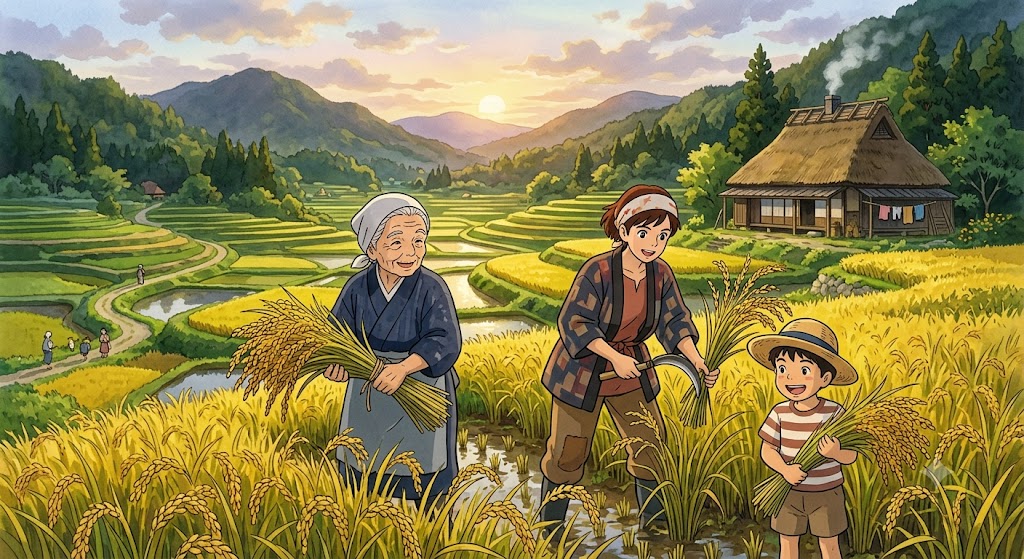
Rice is one of the most widely cultivated food crops in the world and serves as the primary staple for billions of people. Its importance goes beyond food security, as rice farming also supports the livelihoods of millions of farmers. Achieving high yields and premium grain quality requires more than simply planting seeds—it involves careful planning, timely field operations, efficient water management, balanced nutrition, and proper harvesting techniques.
Modern rice farming combines traditional knowledge with improved agricultural practices to maximize productivity while protecting soil, water, and the environment. Farmers who adopt these best practices can reduce production costs, improve crop health, and consistently produce marketable grain.
This guide explains the essential steps and practical strategies for growing a healthy rice crop with better yield and quality.
Plan Before the Planting Season
Successful rice cultivation begins long before seeds are sown. Good planning helps farmers avoid delays and prepare resources efficiently.
Before the season starts, consider:
- Selecting the right rice variety
- Assessing soil fertility
- Arranging irrigation
- Preparing quality seed
- Planning fertilizer requirements
- Scheduling labor and machinery
- Reviewing local weather forecasts
A well-organized plan reduces unexpected problems during the growing season.
Select a Variety That Matches Local Conditions
Not all rice varieties perform equally under every climate or soil type. Choosing a suitable variety improves productivity and minimizes crop losses.
Look for varieties that offer:
- High yield potential
- Resistance to common diseases
- Tolerance to drought or flooding
- Good grain quality
- Strong market demand
- Suitable maturity period
Certified seed generally produces better germination and more uniform crop growth.
Build a Healthy Foundation with Proper Soil Preparation
Healthy soil provides the nutrients and structure needed for vigorous plant growth.
Field preparation usually includes:
- Removing weeds and crop residues
- Deep plowing where required
- Leveling the land
- Incorporating organic manure or compost
- Breaking soil clods to create a fine seedbed
Laser land leveling, where available, also improves irrigation efficiency and helps distribute water evenly across the field.
Prepare Strong and Healthy Seedlings
For transplanted rice, healthy seedlings play a crucial role in determining final yield.
To produce vigorous seedlings:
- Use clean, disease-free seeds.
- Treat seeds before sowing.
- Prepare a fertile nursery bed.
- Irrigate carefully to avoid water stress.
- Protect young plants from insects and diseases.
Seedlings that are healthy at transplanting establish quickly and produce stronger tillers.
Choose the Right Planting Method
Rice can be established using different methods depending on local conditions.
Common approaches include:
Direct Seeding
Suitable for areas with limited labor and adequate weed management.
Advantages:
- Lower labor costs
- Faster planting
- Reduced water use in some systems
Transplanting
Widely practiced where irrigation is available.
Benefits:
- Better plant spacing
- Easier weed control
- Stronger crop establishment
- Higher yield potential under proper management
The best method depends on climate, labor availability, and farm resources.
Manage Water Wisely Instead of Using Continuous Flooding
Rice requires water, but excessive flooding is not always beneficial.
Efficient irrigation practices help:
- Save water
- Improve root development
- Reduce methane emissions
- Lower production costs
Alternate wetting and drying is increasingly used because it conserves water without significantly reducing yields when managed correctly.
Proper drainage after heavy rainfall also prevents root damage.
Feed the Crop with Balanced Nutrition
Rice needs a balanced supply of nutrients throughout its growth cycle.
The major nutrients include:
- Nitrogen
- Phosphorus
- Potassium
Micronutrients such as zinc and sulfur may also be important depending on soil conditions.
Good nutrient management combines:
- Organic compost
- Farmyard manure
- Green manure
- Biofertilizers
- Balanced fertilizer application based on soil testing
Applying nutrients at the correct growth stages improves grain development and reduces waste.
Keep Weeds Under Control Early
Weeds compete aggressively with rice during the early stages of growth.
Effective management includes:
- Timely land preparation
- Clean irrigation channels
- Mechanical weeding
- Mulching where practical
- Crop rotation
- Responsible herbicide use when necessary
Early weed removal allows rice plants to utilize available nutrients and sunlight more efficiently.
Monitor the Crop Throughout the Season
Successful farmers regularly inspect their fields rather than waiting for visible problems.
During routine field visits, check for:
- Yellowing leaves
- Poor tillering
- Water stress
- Weed growth
- Pest activity
- Disease symptoms
- Lodging risks
Early action prevents small issues from becoming major yield losses.
Prevent Pests Through Integrated Management
Rice attracts several insects capable of reducing production if left unmanaged.
Common pests include:
- Stem borers
- Brown planthoppers
- Leaf folders
- Rice bugs
- Gall midges
Integrated Pest Management (IPM) focuses on prevention through:
- Resistant varieties
- Field sanitation
- Balanced fertilizer use
- Beneficial insects
- Targeted pesticide application only when economic thresholds are reached
This approach protects both crops and the surrounding ecosystem.
Reduce Disease Risks with Preventive Practices
Fungal and bacterial diseases can spread rapidly under favorable weather conditions.
Common rice diseases include:
- Blast
- Sheath blight
- Bacterial leaf blight
- Brown spot
Preventive measures include:
- Disease-resistant varieties
- Proper plant spacing
- Balanced fertilization
- Crop rotation
- Removal of infected plant material
- Good field drainage
Preventive management is often more effective than treating severe outbreaks.
Encourage Strong Tillering for Higher Yield
Tillers are the stems that eventually produce grain-bearing panicles.
To encourage healthy tillering:
- Maintain proper spacing.
- Supply adequate nutrients.
- Irrigate consistently.
- Control weeds early.
- Protect plants from pests.
A crop with healthy tillers generally produces more grain per unit area.
Protect Grain Quality During Maturity
The final weeks before harvest are critical for maintaining grain quality.
Farmers should:
- Avoid unnecessary irrigation late in the season.
- Monitor for lodging.
- Protect the crop from birds and rodents.
- Continue disease surveillance.
- Harvest promptly when grains mature.
Delaying harvest may increase grain losses and reduce milling quality.
Harvest at the Right Time
Harvest timing directly affects both yield and market value.
Signs that rice is ready include:
- Golden-yellow panicles
- Hard, mature grains
- Dry leaves
- Reduced grain moisture
- Uniform crop maturity
Harvesting too early produces immature grains, while harvesting too late increases shattering losses.
Handle the Harvest Carefully
Good post-harvest practices preserve grain quality.
Essential steps include:
- Careful threshing
- Cleaning grain
- Drying to safe moisture levels
- Proper storage
- Protection against insects and rodents
Clean storage facilities help maintain grain quality until marketing.
Improve Sustainability While Increasing Yield
High productivity and environmental responsibility can go hand in hand.
Sustainable rice farming practices include:
- Crop rotation
- Organic matter application
- Efficient irrigation
- Conservation tillage
- Precision nutrient management
- Reduced chemical dependence
- Soil health improvement
These methods strengthen long-term farm productivity while protecting natural resources.
Common Mistakes That Limit Rice Production
Many yield losses occur because of avoidable management errors.
Some of the most common include:
- Poor-quality seed
- Delayed planting
- Uneven field leveling
- Excessive nitrogen application
- Continuous deep flooding
- Ignoring early pest outbreaks
- Late harvesting
- Improper grain drying
Correcting these mistakes often leads to noticeable improvements in both yield and grain quality.
Conclusion
Producing a high-yielding and high-quality rice crop requires attention at every stage of cultivation. Careful planning, selecting the right variety, preparing healthy soil, managing water efficiently, applying balanced nutrition, and monitoring the crop regularly all contribute to better productivity. Equally important are timely weed control, integrated pest management, disease prevention, and proper harvesting techniques that preserve grain quality.
Sustainable farming practices not only improve current harvests but also protect soil fertility and water resources for future seasons. Farmers who combine modern agricultural knowledge with responsible resource management can consistently achieve profitable rice production while building resilient farming systems that withstand changing environmental conditions.
Frequently Asked Questions
1. What type of soil is best for rice farming?
Rice grows best in fertile clay or clay-loam soils that retain moisture well while providing sufficient nutrients and good field management.
2. How can farmers increase rice yield naturally?
Using quality seed, improving soil fertility with organic matter, managing irrigation efficiently, rotating crops, and practicing integrated pest management can naturally improve rice yields.
3. Why is field leveling important in rice cultivation?
A level field ensures uniform water distribution, reduces water waste, improves nutrient efficiency, and promotes even crop growth.
4. What is the biggest challenge in rice farming?
Common challenges include weeds, pests, diseases, water management, nutrient imbalance, and unpredictable weather conditions.
5. When should rice be harvested?
Rice should be harvested when most panicles turn golden-yellow, grains become hard and mature, and the crop reaches the recommended moisture level for harvesting.