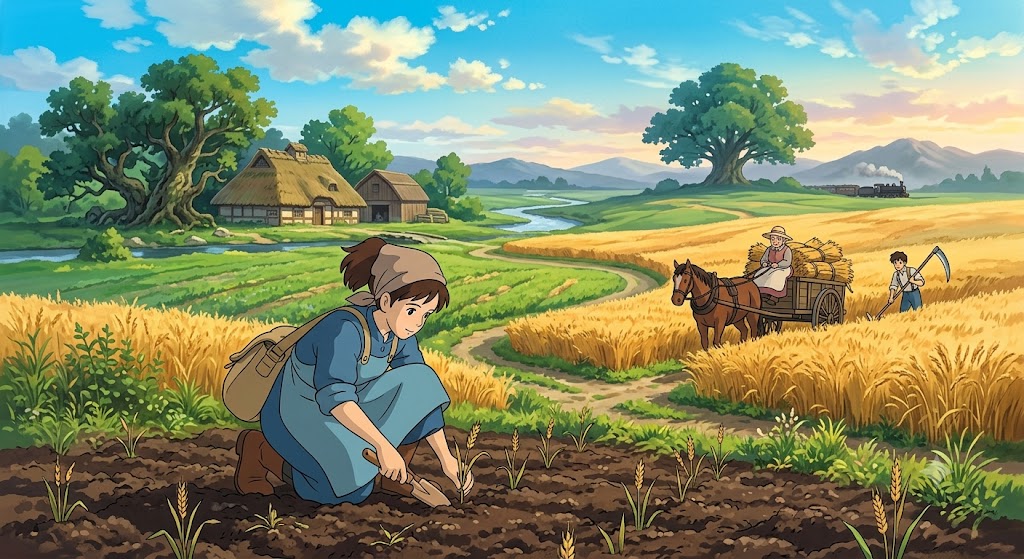
Wheat is one of the world’s most important cereal crops and a staple food for billions of people. It is used to produce flour, bread, pasta, biscuits, cereals, and countless other food products. Because of its high demand and economic value, wheat farming remains one of the most profitable agricultural activities in many regions.
Growing a healthy wheat crop requires careful planning at every stage, from selecting the right variety and preparing the land to managing irrigation, controlling weeds, and harvesting at the correct time. Small mistakes during any of these stages can reduce grain quality and overall yield.
Whether you are a beginner or an experienced farmer looking to improve productivity, this guide covers everything you need to know about growing wheat successfully—from sowing to harvest—using practical, sustainable farming methods.
Understanding Wheat Growth
Wheat is a cool-season crop that performs best in moderate temperatures with adequate sunlight and well-drained fertile soil. Depending on the variety and climate, the crop generally takes 100 to 140 days to reach maturity.
The main growth stages include:
- Seed germination
- Seedling establishment
- Tillering
- Stem elongation
- Booting
- Flowering
- Grain filling
- Maturity and harvest
Proper management during each stage helps maximize both grain quality and yield.
Choosing the Right Wheat Variety
Selecting a suitable variety is the first step toward a successful harvest.
Consider the following factors before purchasing seed:
- Local climate conditions
- Soil type
- Disease resistance
- Yield potential
- Drought tolerance
- Market demand
- Maturity period
Certified seeds usually provide better germination rates and stronger resistance to common diseases.
Consult local agricultural experts to choose varieties best suited to your region.
Ideal Climate for Wheat Cultivation
Wheat grows best under cool conditions during vegetative growth and warm, dry weather during grain maturation.
Ideal conditions include:
- Temperature: 15°C–25°C during growth
- Moderate humidity
- Bright sunshine
- Limited rainfall near harvest
- Frost-free flowering period
Excessive rainfall during grain development can reduce grain quality and increase disease pressure.
Soil Requirements
Healthy soil plays a major role in wheat production.
The best soil for wheat farming is:
- Well-drained
- Fertile
- Rich in organic matter
- Loamy or clay loam
- Slightly acidic to neutral (pH 6.0–7.5)
Avoid poorly drained fields because standing water may damage roots and reduce plant growth.
Adding compost or well-decomposed farmyard manure before sowing improves soil fertility naturally.
Land Preparation
Good land preparation creates favorable conditions for seed germination and root development.
Basic preparation includes:
- Removing previous crop residues
- Deep plowing if necessary
- Breaking large soil clods
- Leveling the field
- Incorporating organic matter
A smooth, level seedbed ensures uniform seed placement and better moisture distribution.
Seed Selection and Treatment
High-quality seed is essential for achieving strong plant establishment.
Before sowing:
- Select clean, healthy seeds.
- Remove damaged or shriveled grains.
- Use recommended seed treatment to reduce fungal diseases and improve early growth.
Proper seed treatment protects young seedlings during the critical establishment phase.
Best Time for Sowing Wheat
Planting at the correct time significantly affects crop performance.
Early sowing generally offers several advantages:
- Better root development
- Stronger tillering
- Efficient nutrient uptake
- Reduced disease pressure
- Higher yield potential
Late sowing often shortens the growing period and exposes crops to heat during grain filling.
Farmers should follow the recommended sowing window for their local region.
Recommended Sowing Method
Uniform planting improves crop establishment.
Common sowing methods include:
- Seed drill
- Zero-tillage seeding
- Line sowing
- Broadcasting (less preferred)
Line sowing allows:
- Better plant spacing
- Easier weed management
- Efficient irrigation
- Uniform fertilizer application
Maintaining proper seed depth encourages even germination.
Nutrient Management
Balanced nutrition supports healthy crop growth throughout the season.
Wheat primarily requires:
- Nitrogen
- Phosphorus
- Potassium
- Sulfur
- Zinc (where deficient)
Organic nutrient sources include:
- Compost
- Vermicompost
- Farmyard manure
- Green manure
Integrated nutrient management combines organic materials with balanced fertilizer use for improved soil health and sustainable production.
Irrigation Management
Water requirements vary depending on climate and soil conditions.
Critical irrigation stages include:
- Crown root initiation
- Tillering
- Booting
- Flowering
- Grain filling
Avoid both excessive irrigation and prolonged water stress.
Modern irrigation methods such as sprinkler or drip systems improve water-use efficiency in suitable farming systems.
Weed Management
Weeds compete directly with wheat for nutrients, water, sunlight, and space.
Effective weed management includes:
- Timely field preparation
- Clean seed
- Crop rotation
- Mechanical weeding
- Mulching where appropriate
- Responsible herbicide use when necessary
Early weed control prevents major yield losses later in the season.
Common Wheat Diseases
Several diseases may affect wheat production.
Common examples include:
- Rust
- Powdery mildew
- Loose smut
- Fusarium head blight
- Leaf spot
Disease prevention strategies include:
- Resistant varieties
- Crop rotation
- Balanced fertilization
- Field sanitation
- Regular crop monitoring
Early identification greatly improves disease control.
Major Insect Pests
Important wheat pests include:
- Aphids
- Armyworms
- Cutworms
- Termites
- Hessian flies (in some regions)
Integrated pest management combines:
- Crop monitoring
- Biological control
- Healthy crop practices
- Targeted pesticide application only when necessary
Regular field inspections reduce the risk of severe infestations.
Importance of Crop Monitoring
Frequent field observation helps farmers detect problems before they become serious.
Monitor regularly for:
- Uneven growth
- Nutrient deficiencies
- Pest activity
- Disease symptoms
- Water stress
- Weed infestation
Early intervention often saves both time and production costs.
Managing Wheat During Grain Filling
Grain filling determines final grain weight and quality.
To support healthy grain development:
- Maintain adequate soil moisture.
- Avoid nutrient deficiencies.
- Protect crops from insects and diseases.
- Prevent lodging caused by excessive irrigation or storms.
Healthy leaves during this stage continue producing energy for grain formation.
Identifying Harvest Time
Harvesting too early or too late can reduce grain quality.
Signs of maturity include:
- Golden-yellow crop color
- Hard grains
- Dry leaves and stems
- Grain moisture around safe harvesting levels
- Fully developed kernels
Harvest should begin when grains have reached physiological maturity.
Harvesting Wheat
Harvesting methods depend on farm size and available equipment.
Common options include:
- Combine harvesters
- Mechanical reapers
- Manual harvesting using sickles
Harvest carefully to minimize grain loss and maintain grain quality.
Post-Harvest Handling
Proper post-harvest management protects grain quality and market value.
Important steps include:
- Cleaning harvested grain
- Drying to safe moisture content
- Removing damaged kernels
- Protecting against insects and rodents
- Using clean storage facilities
Poor storage can cause significant losses even after a successful harvest.
Improving Wheat Yield Naturally
Farmers can increase productivity through sustainable practices such as:
- Crop rotation
- Organic matter application
- Balanced nutrient management
- Efficient irrigation
- Timely sowing
- Improved seed varieties
- Conservation tillage
- Integrated pest management
Healthy soil and proper management consistently produce stronger crops.
Common Mistakes to Avoid
Many yield losses result from preventable errors.
Avoid these common mistakes:
- Using poor-quality seed
- Delayed sowing
- Over-irrigation
- Nutrient imbalance
- Ignoring weeds
- Delayed disease control
- Harvesting too early
- Improper grain storage
Careful planning throughout the season helps avoid unnecessary losses.
Benefits of Sustainable Wheat Farming
Sustainable production methods provide long-term advantages beyond immediate yields.
Benefits include:
- Improved soil fertility
- Reduced production costs
- Better water conservation
- Higher grain quality
- Increased biodiversity
- Greater resilience to climate change
- Long-term farm profitability
Healthy farming systems remain productive for many years.
Conclusion
Successful wheat cultivation depends on proper management from the moment the field is prepared until the harvested grain is safely stored. Selecting quality seed, preparing fertile soil, sowing at the right time, applying balanced nutrients, managing irrigation efficiently, and protecting the crop from weeds, pests, and diseases all contribute to higher yields and better grain quality.
Sustainable farming practices such as crop rotation, organic matter application, conservation tillage, and integrated pest management further improve productivity while protecting natural resources. Farmers who monitor their fields regularly and make timely management decisions can consistently produce healthy wheat crops that meet market demands and support long-term agricultural success.
Frequently Asked Questions
1. What is the best soil for growing wheat?
Wheat grows best in fertile, well-drained loamy or clay loam soils with a pH between 6.0 and 7.5 and good organic matter content.
2. How long does wheat take to mature?
Most wheat varieties mature within 100 to 140 days, depending on climate, variety, and growing conditions.
3. How often should wheat be irrigated?
Irrigation depends on local weather and soil conditions, but critical growth stages include crown root initiation, tillering, booting, flowering, and grain filling.
4. What are the biggest threats to wheat production?
Common challenges include weeds, rust diseases, aphids, drought stress, nutrient deficiencies, and improper crop management.
5. How can farmers naturally improve wheat yields?
Using certified seed, improving soil health with compost, practicing crop rotation, conserving water, monitoring crops regularly, and adopting integrated pest management can significantly improve wheat productivity while supporting sustainable farming.