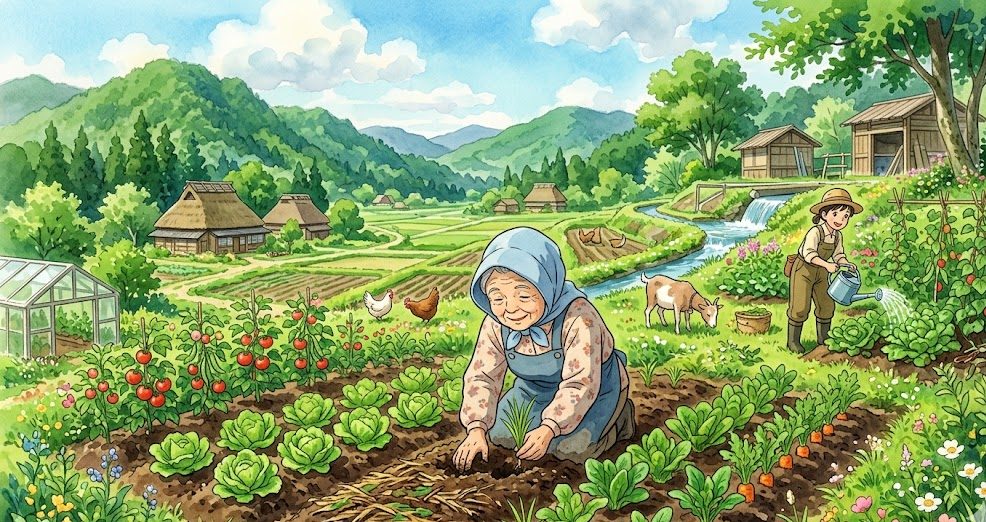
The global agricultural landscape is standing at a critical crossroads, where traditional methods are facing the limits of chemical dependency and soil depletion. As we move toward a more sustainable future, a new movement is emerging—one that combines AgriTech & Innovation with deep-rooted biological wisdom. For the modern farmer and the digital entrepreneur, the goal is no longer just about volume; it is about “Smart Farming” that ensures long-term profitability and ecological health.
The Foundation: Climate-Resilient Soil Management
Healthy crops begin with the ground they grow in. Moving away from a “control” mindset toward a “collaborative” one is essential for mastering the invisible biological processes that dictate crop success.
- Healing the Soil Naturally: The true engine of any farm is the soil microbiome. Focusing on “Natural Soil Healing” restores nutrient cycles that have been depleted by years of synthetic fertilizer use.
- Microbial Synergy: Understanding soil science helps foster the beneficial bacteria and fungi that naturally feed and protect crops.
- Carbon Sequestration: Healthy soil management doesn’t just improve yields; it helps combat climate change by trapping carbon in the ground.
- Climate Adaptation: Implementing advanced “Climate & Soil Management” allows farmers to prepare for and adapt to unpredictable weather patterns.
Essential Crop Guides for Modern Success
Practicality in farming means doing more with less. By optimizing resources, you can increase the quality of your output without ballooning overhead costs.
1. High-Value Cash Crops
To increase revenue, many are turning to “High-Value Cash Crops”. Growing “Exotic Vegetable Farming” or “Herbal & Medicinal Plants” can offer significantly higher profit margins compared to traditional grains.
- Mushroom Farming: This requires minimal land and can be a highly profitable “Sustainable Farming” venture.
- Hydroponics: A soil-less method that allows for “Smart Crop Farming” in controlled environments, ensuring year-round production.
2. Forgotten and Micro Farming
- Forgotten Crops: Incorporating “Forgotten Crops Farming” adds genetic diversity to your land. These resilient species often require fewer inputs and provide unique nutritional benefits.
- Micro Farming: Even on a small scale, “Micro Farming” allows for intense productivity by utilizing vertical space and high-density planting techniques.
Smart Farming: The Role of AgriTech
Innovation is the backbone of modern sustainability. Integrating “AI and Smart Technology” allows for a level of precision that was previously impossible.
- Precision Agriculture: Using AI to analyze data helps in applying water, fertilizers, and pesticides only where and when they are needed.
- Water Saving Farming: Techniques such as drip irrigation or rainwater harvesting ensure every drop is utilized effectively.
- Smart Planning: Before planting a single seed, successful modern farming requires a strategic “Blueprint” that integrates innovation with traditional wisdom.
Natural Protection: Safeguarding Your Investment
Protecting your crops doesn’t have to mean drenching them in pesticides. “Natural Protection” involves creating a balanced environment where pests are managed by biological competitors.
- Integrated Pest Management (IPM): This involves using predatory insects and trap crops to keep pest populations below the threshold of economic damage.
- Effective Weed Control: Instead of harsh chemicals, “Weed Control” can be achieved through mulching, cover cropping, and manual techniques that keep the soil covered and protected.
- Seasonal Mastery: Success requires a “Year-Round Strategy,” rotating crops according to the season to maintain soil fertility.
Building the Farming Innovation Hub
For the digital entrepreneur, farming is no longer just about the field; it is about the “Farming Innovation Hub”. This involves creating a “Digital Wealth Blueprint” around agricultural knowledge.
- Integrated Systems: Combining a “Livestock & Dairy Hub” with “Poultry Farming” creates a closed-loop nutrient system where manure fuels “Natural Soil Healing”.
- Aqua Integration: “Fish & Aqua Farming” can be integrated into “Sustainable Farming” loops to provide nutrient-rich water for crops.
- Animal Health: Maintaining high standards of “Animal Health” ensures that livestock side-businesses contribute effectively to the overall “Sustainable Business” model.
Conclusion: The Future of the Green Revolution
Transforming your harvest is a journey of continuous learning and adaptation. By blending AgriTech & Innovation with Natural Soil Healing and practical tips, you create an agricultural system that is both profitable and permanent. Whether you are managing a large-scale operation or a “Micro Farming” project, the goal is to produce “High-Value” results while respecting the “Natural Protection” of our planet. Embrace the smart farming revolution today to secure a harvest that is as sustainable as it is bountiful.