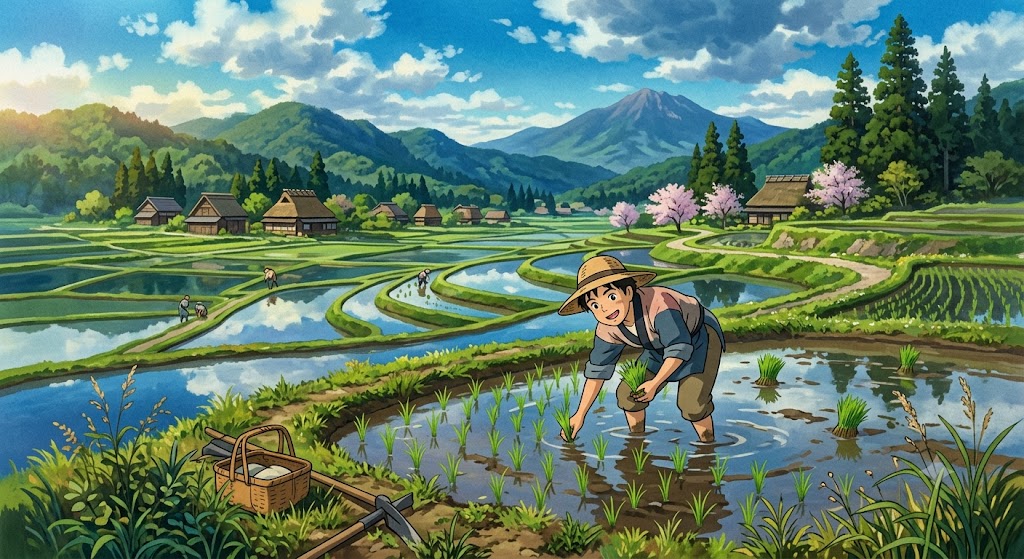
Rice is one of the world’s most important food crops, feeding billions of people every day. It is grown across Asia, Africa, Europe, North America, and South America, making it a vital part of global agriculture. Although rice cultivation has been practiced for thousands of years, modern farming methods have made it more productive, efficient, and sustainable.
Successful rice farming depends on careful planning, healthy soil, quality seeds, proper irrigation, timely nutrient management, and effective pest control. Every stage—from preparing the land to harvesting the mature crop—plays an important role in determining yield and grain quality.
This guide explains each step of rice cultivation, helping beginners and experienced farmers improve productivity while following practical and sustainable farming practices.
Understanding Rice Farming
Rice grows best in warm climates with adequate water and fertile soil. Different rice varieties are suitable for different growing conditions, including irrigated fields, rain-fed farms, and upland areas.
Before planting, farmers should evaluate:
- Climate conditions
- Soil type
- Water availability
- Seed variety
- Expected growing season
Proper planning at the beginning of the season reduces production risks and improves harvest results.
Step 1: Choose the Right Rice Variety
Selecting the right variety is one of the most important decisions in rice farming.
Consider factors such as:
- Local climate
- Growing duration
- Disease resistance
- Grain quality
- Market demand
- Water availability
Certified, high-quality seeds usually provide better germination, stronger plants, and improved yields.
Step 2: Prepare the Land
Well-prepared land encourages healthy root development and improves water management.
Land preparation generally includes:
- Removing weeds and crop residues
- Plowing the field
- Breaking large soil clumps
- Leveling the land
- Improving drainage where necessary
A level field allows water to spread evenly, reducing waste and supporting uniform crop growth.
Step 3: Test and Improve Soil
Healthy soil is the foundation of productive rice farming.
Before planting, test the soil to determine:
- Soil pH
- Organic matter
- Nitrogen
- Phosphorus
- Potassium
Adding compost, farmyard manure, or well-decomposed organic matter improves soil fertility and moisture retention.
Step 4: Plant the Rice
Rice can be established using direct seeding or by transplanting seedlings, depending on local farming practices and water availability.
During planting:
- Use healthy seeds.
- Maintain recommended spacing.
- Avoid overcrowding.
- Plant at the appropriate depth.
Proper spacing improves sunlight penetration and air circulation, reducing disease risk.
Step 5: Manage Irrigation Carefully
Water management is one of the most important parts of rice production.
Good irrigation practices include:
- Maintaining consistent soil moisture during early growth
- Avoiding unnecessary flooding
- Reducing water before harvest to aid grain maturity
- Monitoring rainfall and field conditions regularly
Efficient irrigation helps conserve water while supporting healthy crop development.
Step 6: Apply Nutrients Wisely
Rice plants require balanced nutrition throughout the growing season.
Important nutrients include:
- Nitrogen for leaf growth
- Phosphorus for root development
- Potassium for stronger plants and grain formation
Organic fertilizers and compost can improve soil health while supporting long-term productivity.
Always follow soil test recommendations whenever possible.
Step 7: Control Weeds
Weeds compete with rice plants for sunlight, nutrients, and water.
Effective weed management includes:
- Timely hand weeding
- Mechanical cultivation where appropriate
- Mulching in suitable systems
- Maintaining proper water management
Early weed control helps prevent yield losses.
Step 8: Monitor Pests and Diseases
Regular field inspections help identify problems before they become serious.
Common issues include:
- Stem borers
- Leaf folders
- Brown planthoppers
- Blast disease
- Sheath blight
- Bacterial leaf diseases
Integrated pest management combines field monitoring, crop rotation, resistant varieties, and biological control to reduce pest pressure while minimizing unnecessary pesticide use.
Step 9: Monitor Crop Growth
Throughout the season, observe:
- Plant height
- Leaf color
- Tiller development
- Flowering stage
- Grain filling
Healthy plants typically produce stronger panicles and better grain quality.
Recording field observations helps improve future crop management decisions.
Step 10: Harvest at the Right Time
Harvest timing greatly influences grain quality.
Rice is generally ready for harvest when:
- Most grains have turned golden
- Panicles begin bending naturally
- Grain moisture reaches suitable harvesting levels
Harvesting too early may reduce grain quality, while delaying harvest can increase grain loss.
Step 11: Dry and Store the Grain
After harvesting:
- Clean harvested grain.
- Dry it properly before storage.
- Store in clean, dry, well-ventilated facilities.
- Protect stored grain from insects and rodents.
Proper storage helps maintain quality and reduces post-harvest losses.
Rice Farming Timeline
| Farming Stage | Main Activities |
|---|---|
| Planning | Variety selection, soil testing |
| Land Preparation | Plowing, leveling, organic matter application |
| Planting | Direct seeding or transplanting |
| Early Growth | Irrigation, weed control |
| Vegetative Stage | Nutrient management, monitoring |
| Flowering | Pest and disease management |
| Grain Filling | Water management, field inspection |
| Harvest | Timely harvesting |
| Post-Harvest | Drying, storage, record keeping |
Tips for Better Rice Production
- Choose certified seeds.
- Maintain healthy soil with organic matter.
- Monitor fields regularly.
- Use water efficiently.
- Rotate crops where possible.
- Keep detailed farm records.
- Harvest at the proper maturity stage.
Small improvements throughout the season often result in significantly better harvests.
Common Mistakes to Avoid
Avoid these common rice farming mistakes:
- Planting poor-quality seed
- Skipping soil testing
- Uneven land leveling
- Overwatering or poor drainage
- Delayed weed control
- Ignoring pest monitoring
- Harvesting too early or too late
Preventing these mistakes improves both yield and grain quality.
Conclusion
Successful rice farming depends on careful planning and timely management at every stage of crop production. From selecting quality seed and preparing fertile soil to managing irrigation, nutrients, weeds, and pests, each step contributes to healthier plants and higher yields. Farmers who regularly monitor their fields and adapt their practices to local conditions are better positioned to produce consistent, high-quality harvests.
With sustainable soil management, efficient water use, and good crop care, rice farming can remain productive, profitable, and environmentally responsible for generations to come.
Frequently Asked Questions
1. What type of soil is best for growing rice?
Rice grows best in fertile soils that retain moisture well while allowing good root development.
2. How often should rice fields be monitored?
Fields should be inspected several times each week to detect weeds, pests, diseases, or nutrient deficiencies early.
3. Why is land leveling important in rice farming?
Level fields distribute irrigation water evenly, improving crop growth and reducing water waste.
4. When should rice be harvested?
Rice should be harvested when most grains have matured and reached the proper moisture level for harvesting.
5. Can organic fertilizers be used in rice farming?
Yes. Compost, farmyard manure, and other organic fertilizers improve soil fertility and support sustainable rice production.