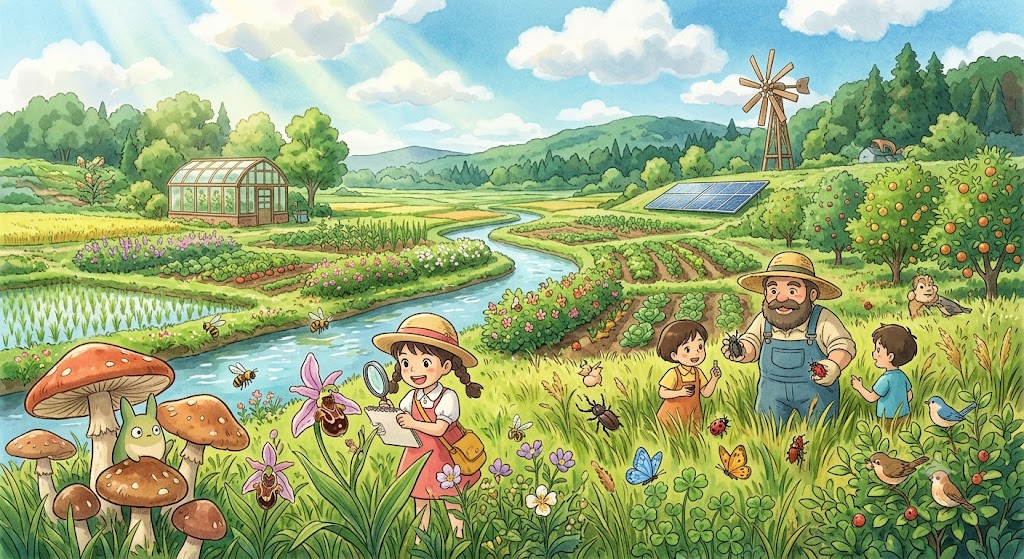
Agriculture is more than growing crops and raising livestock—it is part of a larger ecosystem where plants, animals, insects, microorganisms, and natural resources work together. One of the most important factors that keeps this ecosystem healthy is biodiversity. In simple terms, biodiversity refers to the variety of living organisms found in a particular environment. On a farm, this includes crops, livestock, beneficial insects, birds, earthworms, pollinators, and soil microorganisms.
Modern agriculture has significantly increased food production, but in many areas, intensive farming practices have reduced biodiversity through monocropping, excessive pesticide use, and habitat destruction. As a result, many farms have become more vulnerable to pests, diseases, soil degradation, and climate-related challenges.
Promoting biodiversity is one of the most effective ways to create healthier farms, improve crop production, and protect the environment. This guide explains why biodiversity is essential in modern agriculture and how farmers can benefit from encouraging a diverse farming ecosystem.
What Is Biodiversity in Agriculture?
Agricultural biodiversity includes all living organisms that contribute to farming systems. It covers:
- Different crop species
- Livestock breeds
- Pollinating insects
- Beneficial predators
- Birds
- Earthworms
- Soil bacteria and fungi
- Trees and natural vegetation
Each of these organisms plays a unique role in maintaining a balanced and productive agricultural environment.
Why Biodiversity Matters
Healthy ecosystems depend on diversity. When farms support a wide variety of plants and animals, they become more resilient to pests, diseases, and changing weather conditions.
Some major advantages include:
- Healthier soil
- Better pollination
- Natural pest control
- Improved crop yields
- Greater climate resilience
- Long-term sustainability
Instead of relying only on chemical inputs, biodiversity allows nature to support agricultural productivity.
1. Improves Soil Health
Healthy soil is filled with millions of beneficial organisms.
Earthworms, fungi, bacteria, and other microorganisms help:
- Break down organic matter
- Release nutrients
- Improve soil structure
- Increase water retention
- Support root development
When biodiversity is protected, soil becomes more fertile and productive over time.
2. Encourages Natural Pest Control
Not all insects are harmful.
Many beneficial insects feed on crop pests and reduce the need for chemical pesticides.
Examples include:
- Ladybugs
- Lacewings
- Praying mantises
- Hoverflies
- Parasitic wasps
Birds, frogs, and spiders also help control harmful insects naturally.
Maintaining biodiversity creates a balanced ecosystem where pests are less likely to become serious problems.
3. Supports Pollination
Pollinators play an essential role in producing many fruits, vegetables, and seed crops.
Important pollinators include:
- Bees
- Butterflies
- Moths
- Certain birds
Healthy pollinator populations improve:
- Fruit production
- Seed formation
- Crop quality
- Overall yields
Reducing unnecessary pesticide use and planting flowering plants helps support these valuable species.
4. Increases Farm Resilience
Climate change is creating more unpredictable farming conditions.
Biodiverse farms are generally better able to withstand:
- Drought
- Heavy rainfall
- Heat waves
- Pest outbreaks
- Disease pressure
Growing multiple crop species reduces the risk of losing an entire harvest when one crop performs poorly.
5. Reduces Dependence on Chemicals
A diverse agricultural ecosystem naturally performs many functions that chemical products attempt to replace.
Biodiversity helps by:
- Suppressing pests
- Improving soil fertility
- Supporting nutrient cycling
- Enhancing pollination
As a result, farmers can often reduce pesticide and fertilizer use while maintaining healthy crops.
6. Improves Crop Productivity
Healthy ecosystems support healthy crops.
Biodiversity contributes to higher productivity through:
- Better nutrient availability
- Stronger root systems
- Improved pollination
- Reduced pest damage
- Enhanced soil moisture
These factors work together to improve both crop yield and quality.
7. Conserves Water
Biodiverse farms often have healthier soils rich in organic matter.
These soils:
- Absorb rainfall more effectively
- Store moisture longer
- Reduce runoff
- Improve drought resistance
Good water management benefits both crops and surrounding ecosystems.
8. Protects Wildlife
Modern agriculture can coexist with wildlife when farms maintain natural habitats.
Farmers can encourage biodiversity by:
- Planting hedgerows
- Maintaining grass strips
- Protecting wetlands
- Leaving flowering borders
- Conserving native trees
These habitats provide shelter and food for beneficial species while strengthening the agricultural landscape.
Practical Ways to Increase Biodiversity on Your Farm
Farmers can improve biodiversity through several simple practices:
- Rotate crops every season.
- Plant cover crops.
- Use compost and organic fertilizers.
- Reduce unnecessary pesticide applications.
- Grow multiple crop varieties.
- Protect pollinators.
- Maintain natural vegetation around fields.
- Encourage beneficial insects.
Small changes often create significant long-term improvements.
Benefits of Biodiversity at a Glance
| Biodiversity Practice | Main Benefit |
|---|---|
| Crop Rotation | Better soil fertility and fewer pests |
| Cover Crops | Improved soil health and erosion control |
| Flowering Borders | Increased pollination |
| Organic Matter | Supports beneficial microorganisms |
| Reduced Pesticides | Protects beneficial insects |
| Mixed Cropping | Greater resilience and stable production |
Common Mistakes to Avoid
Avoid practices that reduce biodiversity:
- Growing the same crop every year
- Excessive pesticide use
- Removing natural vegetation
- Ignoring soil health
- Overusing chemical fertilizers
- Destroying pollinator habitats
Protecting biodiversity requires long-term planning rather than quick solutions.
Conclusion
Biodiversity is one of the most valuable resources available to modern agriculture. A diverse farming ecosystem supports healthier soil, stronger crops, better pollination, natural pest control, and greater resilience against climate change. Instead of relying entirely on chemical inputs, farmers can work with nature to improve productivity while protecting the environment.
By adopting practices such as crop rotation, cover cropping, organic soil management, and habitat conservation, farmers create more sustainable farms that remain productive for generations. Biodiversity not only benefits agriculture but also helps preserve ecosystems that future food production depends on.
Frequently Asked Questions
1. What is biodiversity in agriculture?
Agricultural biodiversity includes the variety of plants, animals, insects, and microorganisms that support farming systems.
2. Why is biodiversity important for farmers?
It improves soil health, supports pollination, provides natural pest control, and increases crop productivity.
3. How does biodiversity reduce pesticide use?
Beneficial insects, birds, and other natural predators help control harmful pests, reducing the need for chemical pesticides.
4. Can biodiversity improve crop yields?
Yes. Healthier ecosystems support stronger plant growth, better pollination, and improved nutrient cycling, leading to higher yields.
5. What are simple ways to increase biodiversity on a farm?
Crop rotation, cover crops, planting flowering borders, reducing chemical use, adding organic matter, and protecting natural habitats are effective ways to improve biodiversity.