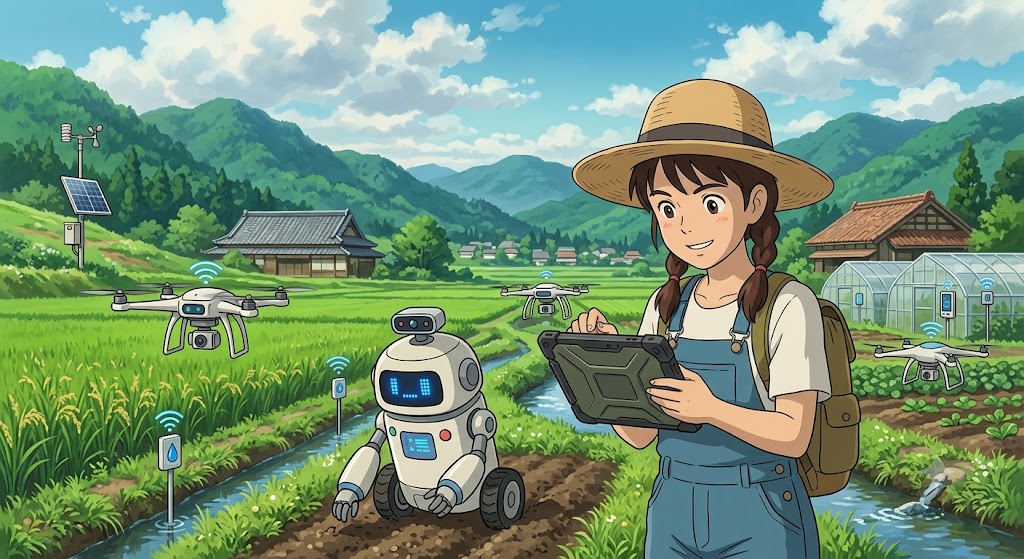
Farming Is Becoming Connected and Intelligent
Agriculture has entered an era where information is just as valuable as fertile soil and reliable rainfall. Farmers are no longer limited to visual inspections or traditional farming methods to make important decisions. Artificial Intelligence (AI) and the Internet of Things (IoT) are helping farms become more efficient by collecting real-time information, analyzing field conditions, and recommending the best actions at the right time.
Instead of replacing human experience, these technologies strengthen it. Farmers still make the final decisions, but AI and IoT provide accurate data that reduces uncertainty and improves productivity. The result is healthier crops, lower operating costs, better resource management, and higher harvest quality.
Understanding AI and IoT in Simple Terms
Before exploring their benefits, it is important to understand what these technologies actually do.
Artificial Intelligence (AI) uses computer algorithms to study agricultural data, recognize patterns, and provide recommendations based on those findings.
The Internet of Things (IoT) connects smart devices such as sensors, weather stations, irrigation systems, and monitoring equipment so they can collect and share information automatically.
When these technologies work together, farms become capable of monitoring crops, soil, weather, and equipment without constant manual observation.
How a Smart Farm Operates
A connected farming system follows a simple process.
Step 1 – Data Collection
Sensors installed across the farm continuously measure important conditions such as soil moisture, air temperature, humidity, light intensity, and nutrient levels.
Step 2 – Data Analysis
AI processes the collected information, compares it with historical records and weather forecasts, and identifies patterns that humans may overlook.
Step 3 – Actionable Recommendations
Instead of overwhelming farmers with raw data, the system suggests practical actions such as:
- Start irrigation
- Delay fertilizer application
- Monitor a specific field
- Inspect crops for disease
- Prepare for incoming rainfall
This process allows faster and more accurate farm management.
Real-Time Soil Monitoring
Healthy soil is the foundation of every successful harvest.
IoT soil sensors can continuously monitor:
| Parameter | Why It Matters |
|---|---|
| Moisture | Prevents overwatering or drought stress |
| Temperature | Supports proper seed germination |
| Soil pH | Improves nutrient availability |
| Nutrient levels | Guides fertilizer application |
| Electrical conductivity | Indicates soil health |
Instead of guessing when crops need water or nutrients, farmers receive accurate information based on actual field conditions.
Smarter Irrigation With AI
Water management is becoming one of agriculture’s greatest challenges.
AI-powered irrigation systems analyze several factors before deciding when irrigation is necessary.
These factors include:
- Soil moisture
- Weather forecasts
- Crop growth stage
- Evaporation rates
- Previous irrigation history
Benefits
✔ Reduced water consumption
✔ Lower electricity costs
✔ Improved root development
✔ Better drought resilience
Efficient irrigation not only conserves water but also supports healthier crop growth.
Early Detection of Crop Problems
Many diseases and pest attacks begin with subtle changes that are difficult to notice during routine field inspections.
AI systems can identify:
- Unusual leaf color
- Slower plant growth
- Moisture stress
- Nutrient deficiencies
- Disease symptoms
- Pest activity
Early warnings allow farmers to solve problems before they spread across large areas.
Preventive action is often far less expensive than treating severe infestations.
Weather-Based Farming Decisions
Weather remains one of the biggest influences on crop production.
Modern AI platforms combine local weather forecasts with field data to improve daily planning.
Farmers can decide when to:
- Plant seeds
- Irrigate fields
- Apply fertilizers
- Spray crop protection products
- Harvest mature crops
Accurate weather planning reduces unnecessary risks and improves overall efficiency.
AI Improves Fertilizer Management
Applying excessive fertilizer increases production costs and may damage the environment.
AI helps farmers determine:
- Which nutrients are required
- How much fertilizer should be applied
- The best application timing
- Areas that need additional attention
This targeted approach reduces waste while improving nutrient efficiency.
Farm Equipment Becomes Smarter
Modern machinery is increasingly equipped with digital technologies.
Smart equipment can:
- Track fuel consumption
- Monitor engine performance
- Record working hours
- Map completed field operations
- Identify maintenance requirements
Preventive maintenance reduces breakdowns during critical farming periods.
Better Farm Records Through Digital Management
Traditional notebooks remain useful, but digital farm management provides greater flexibility.
Farm management platforms help organize:
- Crop calendars
- Input costs
- Yield records
- Pest observations
- Labor schedules
- Equipment maintenance
Having reliable records improves future planning and financial management.
Benefits for Small and Medium Farms
Many people believe AI and IoT are only suitable for large agricultural businesses.
In reality, affordable technologies are now available for smaller farms.
Examples include:
- Mobile weather applications
- Low-cost soil moisture sensors
- Smart irrigation controllers
- GPS-enabled smartphones
- Digital crop monitoring apps
Farmers can begin with one or two technologies and gradually expand as their operations grow.
Challenges Farmers Should Prepare For
Although smart farming offers many advantages, successful adoption requires planning.
Some common challenges include:
- Initial investment costs
- Internet connectivity limitations
- Learning new software
- Equipment maintenance
- Data management
Starting with simple solutions often provides the fastest return on investment.
Practical Roadmap for Getting Started
Farmers interested in AI and IoT do not need to transform their farms overnight.
A gradual approach works best.
Year One
Introduce digital record keeping and weather forecasting tools.
Year Two
Install basic soil moisture monitoring equipment.
Year Three
Automate irrigation scheduling.
Year Four
Expand to AI-based crop monitoring and precision farming.
Small improvements made consistently often produce greater long-term results than large investments made too quickly.
What the Future Holds
The role of AI and IoT in agriculture will continue expanding over the coming years.
Future developments are expected to include:
- Fully autonomous tractors
- AI-powered disease prediction
- Robotic harvesting systems
- Advanced satellite crop analysis
- Intelligent greenhouse automation
- Real-time global market integration
As technology becomes more affordable, farms of every size will benefit from smarter management and increased efficiency.
Final Thoughts
Artificial Intelligence and the Internet of Things are transforming agriculture by making farming more precise, efficient, and data-driven. These technologies help farmers monitor soil conditions, optimize irrigation, improve fertilizer management, detect crop problems early, and make informed decisions based on real-time information.
Rather than replacing traditional farming knowledge, AI and IoT enhance it by providing valuable insights that improve productivity while reducing waste. Farmers who gradually adopt these innovations will be better equipped to face future agricultural challenges, increase harvest quality, and build more sustainable farming systems for generations to come.
Frequently Asked Questions
1. What is the difference between AI and IoT in agriculture?
AI analyzes agricultural data and provides recommendations, while IoT collects real-time information through connected sensors and smart devices.
2. Can small farms benefit from AI and IoT?
Yes. Affordable technologies such as weather apps, soil moisture sensors, and smart irrigation systems are suitable for farms of all sizes.
3. How does AI improve crop production?
AI helps farmers make better decisions about irrigation, fertilization, disease management, and harvest timing by analyzing field data.
4. Is IoT difficult to use for beginners?
Most modern IoT devices are designed with user-friendly mobile applications, making them accessible even for farmers with limited technical experience.
5. Will AI replace farmers in the future?
No. AI supports decision-making by providing accurate information, but the knowledge, experience, and judgment of farmers remain essential for successful agriculture.